Science as Statecraft: Beijing Asserts Administrative Control in Waters East of Taiwan

China has concluded a major maritime survey mission east of Taiwan, utilizing the research vessel 'Xiangyanghong 22' and China Coast Guard escorts to assert jurisdiction in the Philippine Sea. The mission is part of a broader strategy to challenge Japanese and Philippine maritime claims and normalize Chinese administrative presence in the strategic waters east of the first island chain.

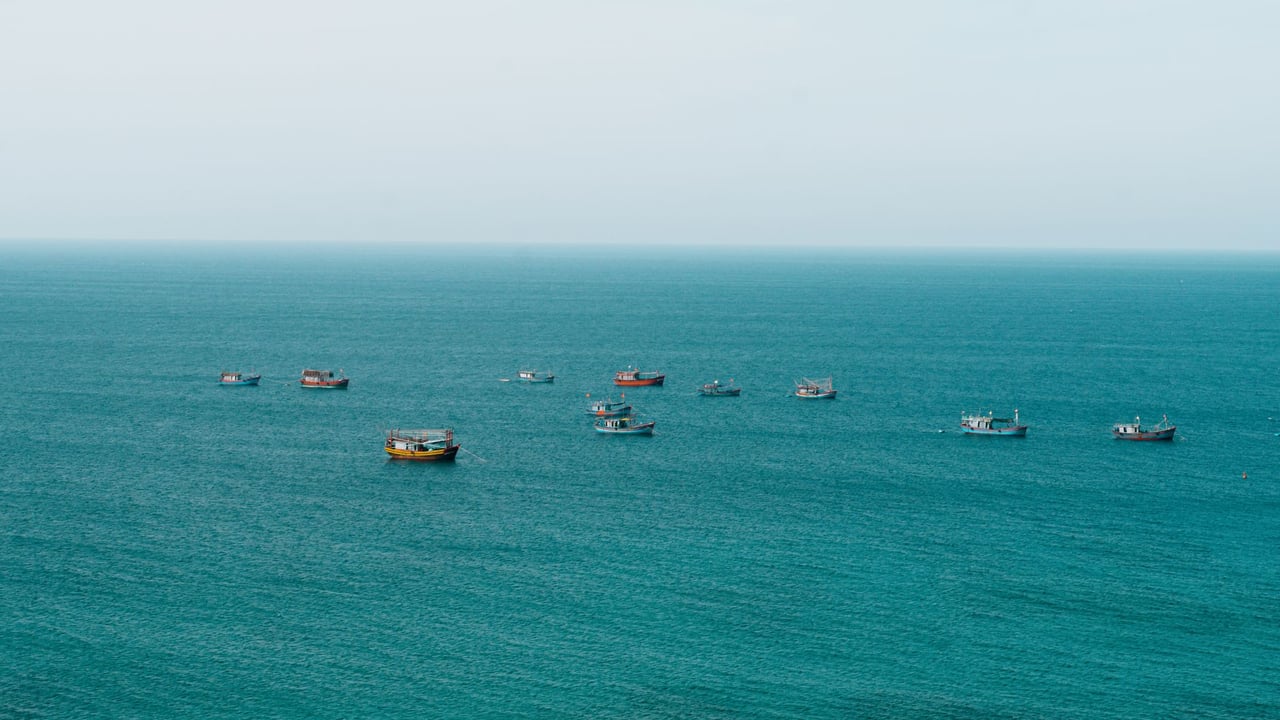
Aerial view of colorful fishing boats on the calm sea in Quang Ngai, Vietnam.

Key Takeaways

  • 1The 'Xiangyanghong 22' conducted multi-disciplinary marine surveys between 123°-125.2°E and 21.5°-23.5°N, areas of high strategic and ecological value.
  • 2China Coast Guard vessels provided a heavy security escort, marking a shift toward integrated civilian-paramilitary operations in the Philippine Sea.
  • 3The mission explicitly targeted sea zones involved in recent maritime boundary discussions between Japan and the Philippines.
  • 4Chinese officials reported friction with Japanese Coast Guard aircraft and Taiwan's Coast Guard Administration, using these incidents to assert their 'lawful' jurisdiction.
  • 5The operation follows earlier June missions involving the CCG and Maritime Safety Administration, indicating a new phase of normalized presence east of Taiwan.

Editor's
Desk

Strategic Analysis

The deployment of the Xiangyanghong 22 represents a sophisticated iteration of Beijing’s 'salami-slicing' tactics. By utilizing scientific research vessels backed by the China Coast Guard, Beijing is creating a de facto reality of administrative control in the waters east of Taiwan. This is not merely about data collection; it is a direct response to the deepening security ties between Tokyo, Manila, and Washington. By establishing a 'normal' presence in the Philippine Sea, China aims to degrade the strategic depth of Taiwan's eastern defenses and challenge the maritime boundary negotiations of its neighbors. This multi-agency approach—involving natural resources, coast guard, and maritime safety authorities—signals that Beijing is no longer content with just military posturing; it is building a comprehensive civilian-legal framework to claim these waters as its own sovereign jurisdiction.

China Daily Brief Editorial
Strategic Insight
China Daily Brief

Beijing has signaled a significant expansion of its maritime law enforcement and scientific reach into the Philippine Sea, deploying the 'Xiangyanghong 22' research vessel for an intensive survey mission east of Taiwan. Supported by a heavy escort of China Coast Guard (CCG) ships, the mission underscores a coordinated multi-agency effort to normalize Chinese jurisdiction in waters that were previously less contested by its civilian fleet.

During the operations conducted between June 16 and 18, the survey team reportedly focused on physical oceanography, marine chemistry, and ecological data. However, the presence of CCG vessels 2304 and 2502 served as a clear deterrent, framing the scientific mission as a sovereign exercise of power. The mission specifically targeted areas overlapping with maritime boundary claims discussed by Japan and the Philippines, positioning Beijing as a direct spoiler to regional bilateral negotiations.

The mission was marked by high-seas friction, as Japanese Coast Guard aircraft and Taiwanese patrol boats monitored the flotilla. Chinese state media highlighted the presence of a Japanese Dassault Falcon 2000 surveillance aircraft, while also dismissing claims from Taiwan’s Coast Guard Administration that its vessels successfully 'expelled' the Chinese ships. Instead, Beijing characterizes these encounters as evidence of its 'routine' and 'lawful' presence, shifting the burden of escalation onto regional neighbors.

This deployment follows a flurry of activity in early June, including patrols by the CCG’s Daishan fleet and a specialized maritime enforcement operation involving 10,000-ton patrol ships. Together, these actions represent a tactical shift from merely patrolling the Taiwan Strait to establishing a permanent, multi-layered administrative presence on the eastern side of the island. By framing these missions under the guise of ecological protection and maritime safety, Beijing is complicating the international legal and political response to its expansionism.

Share Article

Related Articles

📰
No related articles found