
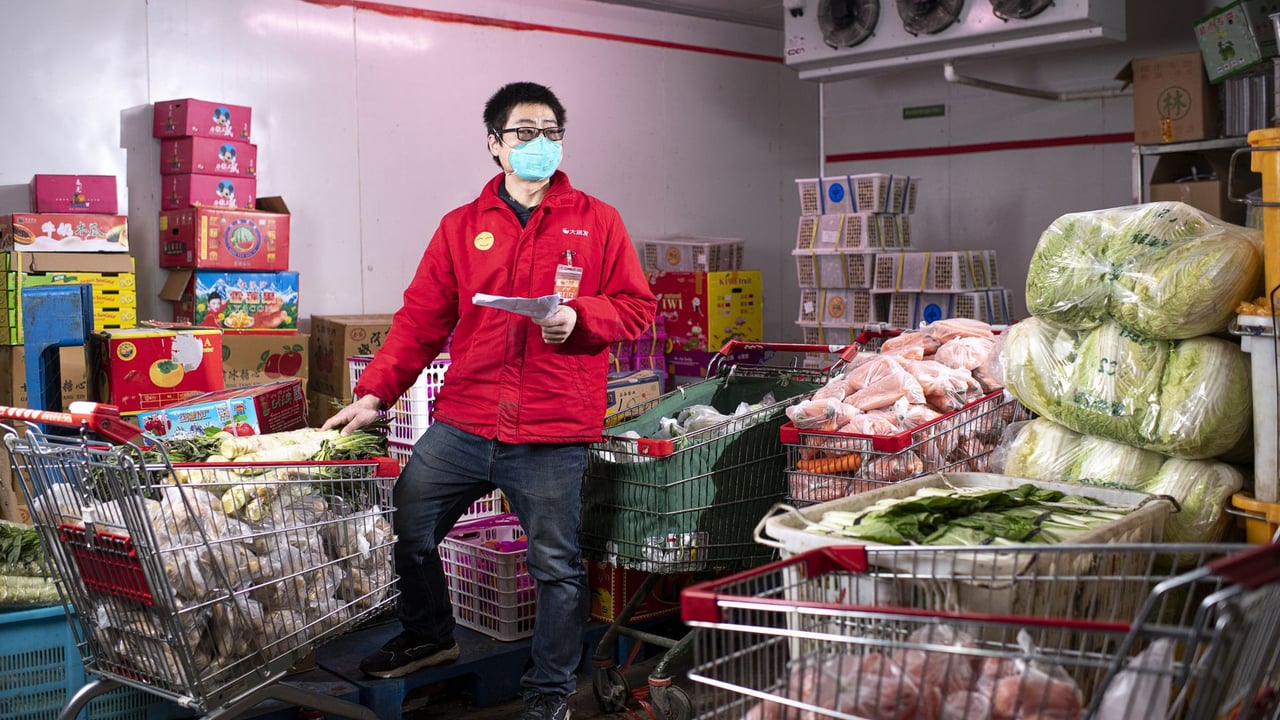

In an era where the global retail sector is often defined by razor-thin margins and grueling labor demands, a regional Chinese supermarket chain is rewriting the social contract between employer and employee. Yu Donglai, the maverick founder of Henan-based Pang Dong Lai, recently announced a welfare expansion that challenges the limits of corporate benevolence. The proposed policy includes a full year of paid leave for any employee who loses a spouse or a child, alongside a month of paid leave for the loss of a parent or in-law.
This move is more than just a generous benefits package; it is a direct challenge to the prevailing 'involution' or hyper-competitive work culture that has come to define modern Chinese industry. Yu’s philosophy, which he attributes to studying the corporate cultures of global leaders like Google, prioritizes the emotional and psychological well-being of his staff over traditional metrics of efficiency. By institutionalizing grief support on such a scale, the company aims to eliminate the 'fatigue' associated with retail work, particularly for front-line roles such as cashiers.
Pang Dong Lai has long occupied a unique position in China's business landscape, functioning as a cult-favorite retailer that manages to achieve high profitability despite—or perhaps because of—its unconventional labor practices. The chain famously closes every Tuesday to give staff a guaranteed break and offers 'unhappy leave' for employees who simply don't feel up to working. With total annual rest days reaching 145 days, the company has created a loyalty-driven business model that results in industry-leading service quality and customer retention.
The strategic significance of this latest announcement lies in its potential to set a new benchmark for 'humane' management in China’s service sector. While many tech firms are retrenching and cutting perks amidst economic headwinds, Pang Dong Lai is doubling down on the human element of commerce. If these policies are successfully implemented, they could trigger a broader conversation about labor rights and the social responsibilities of private enterprises in a post-growth Chinese economy.