

China is moving decisively to unlock the economic potential of its vast vehicle fleet, signaling a strategic shift from new car sales to the lucrative 'aftermarket' sector. A new policy framework, jointly issued by nine high-level ministries including the Ministry of Commerce, aims to dismantle long-standing regulatory hurdles that have historically stifled car culture and service innovation. This initiative reflects a broader government mandate to foster new growth points in service consumption as the world’s largest auto market reaches a stage of maturity.
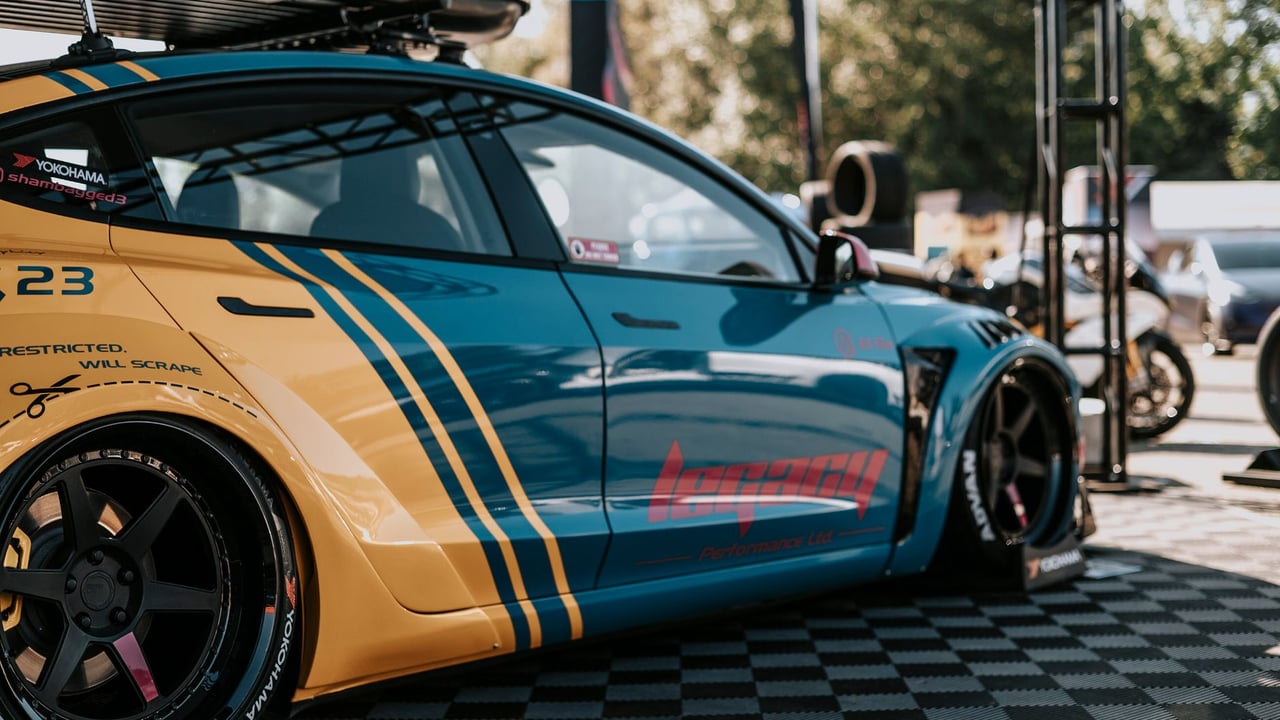
At the heart of the reform is the legitimization of car modification and the cultivation of an enthusiast ecosystem. For years, the Chinese tuning scene operated in a legal gray area with strict inspection regimes; the new measures promise a standardized management system, a project 'whitelist,' and national technical standards. By professionalizing the modification industry, Beijing hopes to spawn a new chain of high-value manufacturing and technical services that appeal to a younger, more individualistic generation of drivers.
The policy also targets the lifestyle and travel sectors, specifically focusing on the expansion of RV camping and the birth of a 'classic car' market. Authorities are streamlining approvals for campsites and encouraging the development of intelligent, lightweight RVs to meet a growing domestic appetite for outdoor tourism. Furthermore, for the first time, the government is establishing definitions and road-use protocols for traditional classic cars, potentially turning vintage vehicle restoration and auctioning into a viable luxury investment asset class.
Addressing the specific challenges of the electric vehicle transition, the guidelines mandate improvements in the repair and insurance of New Energy Vehicles (NEVs). The plan encourages battery manufacturers to open their technical authorizations to independent repair shops, promoting a culture of repair over replacement to lower ownership costs. On the financial side, insurers are being pushed to innovate with 'car-battery separation' models and personalized risk assessments, ensuring that the insurance industry keeps pace with the technological complexities of modern EV platforms.
Finally, the government is betting on the 'experience economy' by integrating motorsports with local tourism. By fostering a multi-level racing hierarchy and protecting the intellectual property of domestic racing brands, China aims to create high-traffic sports venues that drive regional consumption. These measures collectively represent an attempt to transform the automobile from a mere tool of transport into a central pillar of a sophisticated, service-oriented consumer lifestyle.