
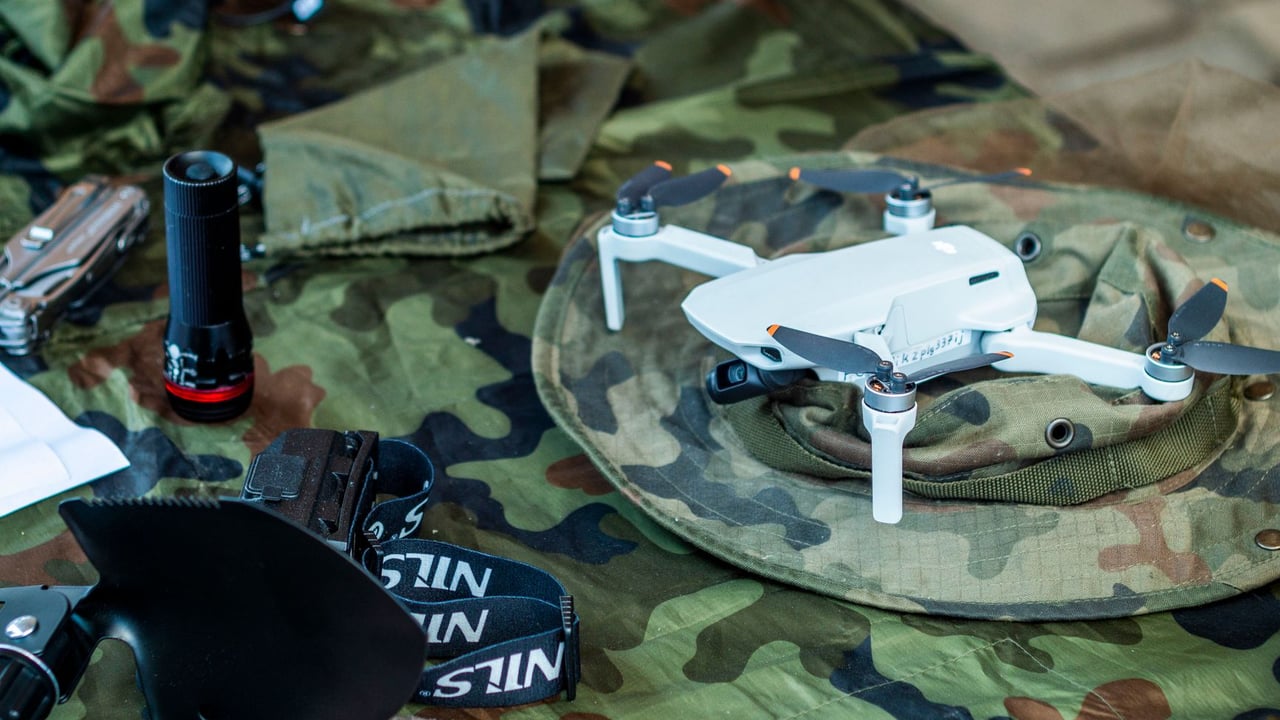

At the Army Branch University’s 'Sky Hunter Drone Workshop,' the future of Chinese aerial defense is being forged not from titanium or carbon fiber, but from discarded foam and recycled electronics. Cadets are tasked with transforming waste materials into functional, customizable target drones for a fraction of the cost of commercial alternatives. This hands-on curriculum represents a significant shift in pedagogical focus, moving away from purely theoretical study toward rugged, field-expedient engineering.
The initiative, which allows students to build the very targets they later practice intercepting, emphasizes the 'make-to-destroy' cycle. By constructing these machines for just a few hundred yuan, the university significantly lowers the overhead for high-frequency live-fire drills. This approach ensures that training is not a rare, high-stakes event but a repeatable, daily reality for future officers.
This trend toward 'at-the-edge' manufacturing reflects broader lessons learned from contemporary global conflicts, where low-cost, expendable drones have redefined attrition warfare. The PLA is clearly prioritizing the ability of its personnel to understand the mechanical DNA of the systems they face. By mastering the assembly of these simple drones, cadets gain a fundamental understanding of aerodynamics and electronic vulnerabilities that would be lost in a more abstracted training environment.
Ultimately, the 'Sky Hunter' program signals a move toward democratizing drone technology within the Chinese military. Instead of relying solely on centralized, high-end procurement, the PLA is fostering a culture of grassroots innovation. This adaptability ensures that even in resource-constrained environments or disrupted supply chains, units can maintain their technological edge through ingenuity and local materials.