Jordan Ramps Up Pressure on EU to Curb Israeli 'Illegal' Actions in West Bank

Jordan's Foreign Minister Ayman Safadi met with EU's Kaja Kallas to demand an immediate end to Israeli settlement expansion and settler violence in the West Bank. The two leaders emphasized the need for regional stability and strengthened Jordan-EU cooperation amid rising tensions.

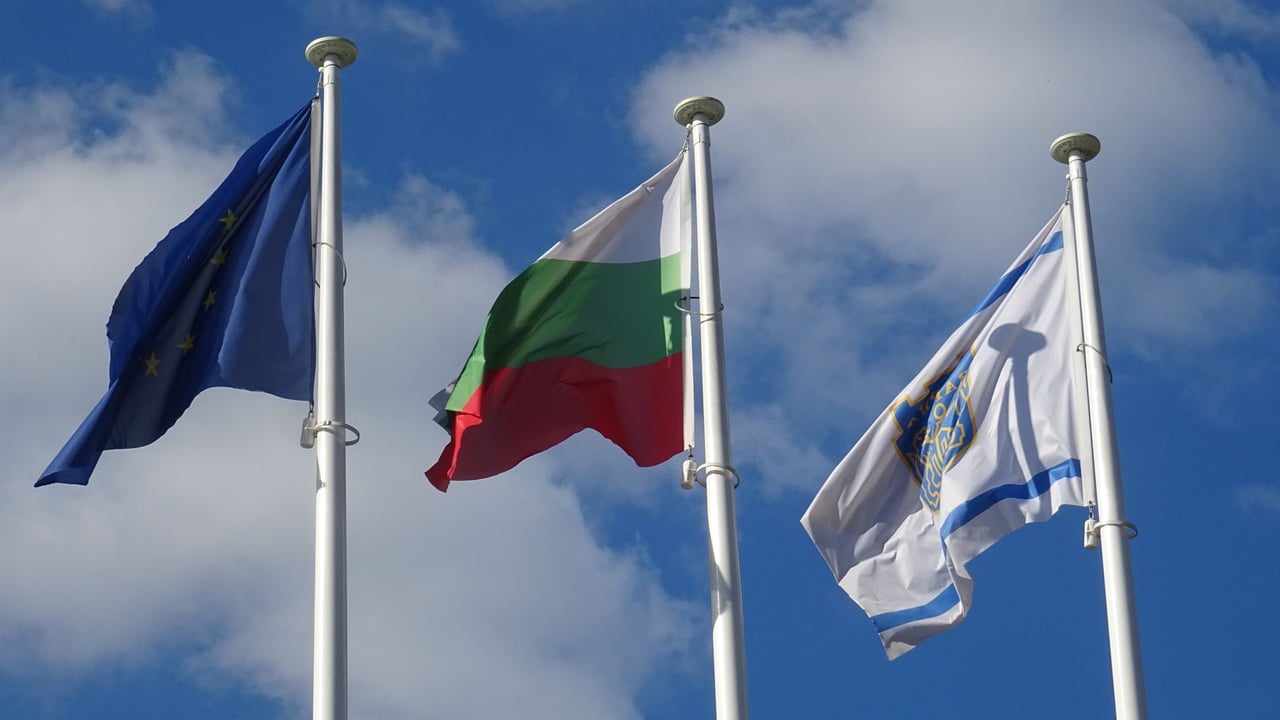
Three flags, including Bulgaria and EU, waving under a blue sky.

Key Takeaways

  • 1Foreign Minister Safadi called for an immediate halt to Israeli land confiscation and settlement expansion in the West Bank.
  • 2The meeting focused on the surge in settler violence and the ongoing violations against Jerusalem's religious sites.
  • 3Jordan reasserted its role as the custodian of Jerusalem’s holy sites as a critical factor for regional peace.
  • 4The EU and Jordan agreed to deepen their strategic partnership and maintain high-level coordination on regional issues.

Editor's
Desk

Strategic Analysis

Jordan’s diplomatic offensive reflects a 'buffer state' strategy under immense pressure. With the West Bank on the brink of collapse and regional tensions at an all-time high, Safadi's outreach to the EU is an attempt to internationalize the crisis and secure European backing for the status quo. Jordan specifically fears that an unchecked Israeli right-wing government could trigger a mass displacement of Palestinians into its territory, an outcome that would fundamentally threaten the monarchy's stability. By focusing on Kaja Kallas, Amman is seeking a more assertive European voice to fill the diplomatic vacuum often left by fluctuating American policy in the region.

China Daily Brief Editorial
Strategic Insight
China Daily Brief

In a high-stakes diplomatic encounter in Amman, Jordanian Deputy Prime Minister and Foreign Minister Ayman Safadi issued a blunt demand to the European Union's foreign policy chief, Kaja Kallas. The meeting underscores Jordan's growing alarm over the deteriorating security situation in the West Bank and its potential to destabilize the broader Levant.

Safadi specifically targeted what he characterized as a litany of illegal actions by Israel, ranging from the relentless expansion of settlements to the unchecked violence perpetrated by settlers against Palestinian civilians. For Amman, these are not merely regional grievances but existential threats to its own national security and the long-held vision of a two-state solution.

Central to the discussions was the ongoing concern over the status of Jerusalem’s religious sites. As the official custodian of the city's Muslim and Christian shrines, Jordan views any infringement on the Al-Aqsa Mosque compound as a red line that risks igniting a regional conflagration.

By engaging directly with Kallas, Jordan is positioning itself as a critical intermediary between Western powers and the volatile realities on the ground. The European Union remains a vital financial and political partner for the Hashemite Kingdom, providing the leverage necessary to influence Israeli policy in the absence of a vigorous American-led peace process.

Beyond the immediate crisis, Safadi and Kallas reaffirmed their commitment to strengthening the bilateral partnership. This coordination is essential for Jordan as it navigates a regional landscape increasingly defined by shifting alliances and the persistent threat of humanitarian disaster.

Share Article

Related Articles

📰
No related articles found