

The Strait of Hormuz, long the world’s most sensitive energy chokepoint, is showing signs of a tentative maritime recovery. On June 22, at least 36 merchant vessels transited the narrow waterway, marking the highest single-day volume since the outbreak of hostilities in late February. This surge suggests that global shipping is slowly testing the waters following months of volatility and a devastating naval blockade.
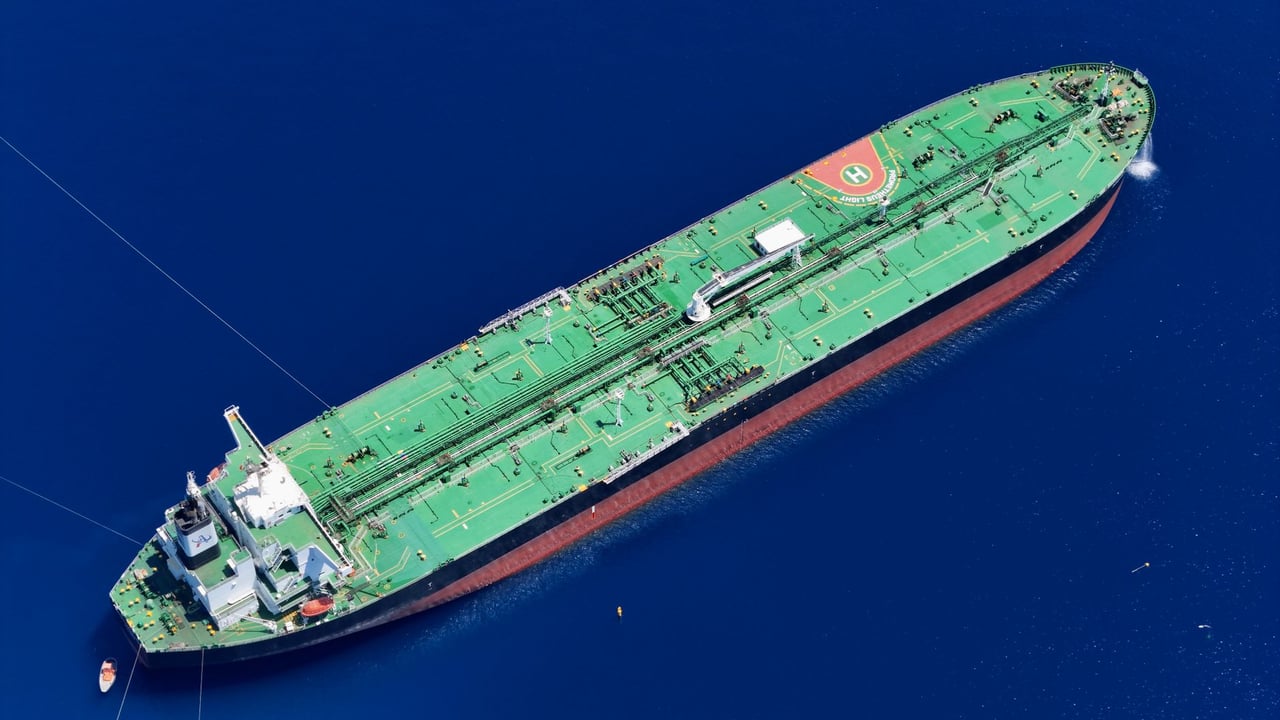
While the current traffic represents only about one-third of pre-war levels, the movement of significant tonnage signals a shift in risk assessment by international insurers and shipping conglomerates. Data from Kpler and the London Stock Exchange Group confirm that two supertankers, each laden with 2 million barrels of crude, successfully exited the Persian Gulf on June 23. These high-value transits indicate that the logistical backbone of the global oil trade is beginning to reassemble despite the lingering shadow of conflict.
The uptick in activity follows a complex diplomatic breakthrough on June 17, when the United States and Iran signed a memorandum of understanding through remote channels. Under this agreement, Washington pledged to dismantle its maritime blockade in exchange for an Iranian commitment to ensure safe, fee-free passage for commercial vessels for a 60-day window. This period is intended to serve as a cooling-off phase while a more permanent settlement is negotiated.
However, the path to normalcy remains fraught with geopolitical contradictions. On June 20, the Iranian military declared the Strait closed in response to Israeli military operations in Lebanon, yet U.S. Central Command reported that passage remained 'safe and unobstructed.' This discrepancy highlights a growing rift between Tehran’s aggressive regional rhetoric and the pragmatic economic necessity of maintaining oil exports to fund its beleaguered economy.
Mediation efforts continue in neutral territory, with Swiss-hosted negotiations on June 21 serving as a vital backchannel. Facilitated by Qatar and Pakistan, these talks have established a dedicated communication line to manage maritime friction and prevent accidental escalations. While the situation remains precarious, the increasing number of ship hulls in the Strait suggests that commercial interests are betting on the success of these quiet diplomatic efforts over the loud posturing of military commanders.