Pyongyang’s Blue-Water Ambition: Kim Jong Un Orders Construction of 10,000-Ton Strategic Cruiser

North Korean leader Kim Jong Un has called for the rapid development of a 10,000-ton strategic missile cruiser, marking a major shift toward large-scale naval power projection. The project suggests an ambition to move beyond coastal defense toward a blue-water navy capable of carrying nuclear-tipped missiles.

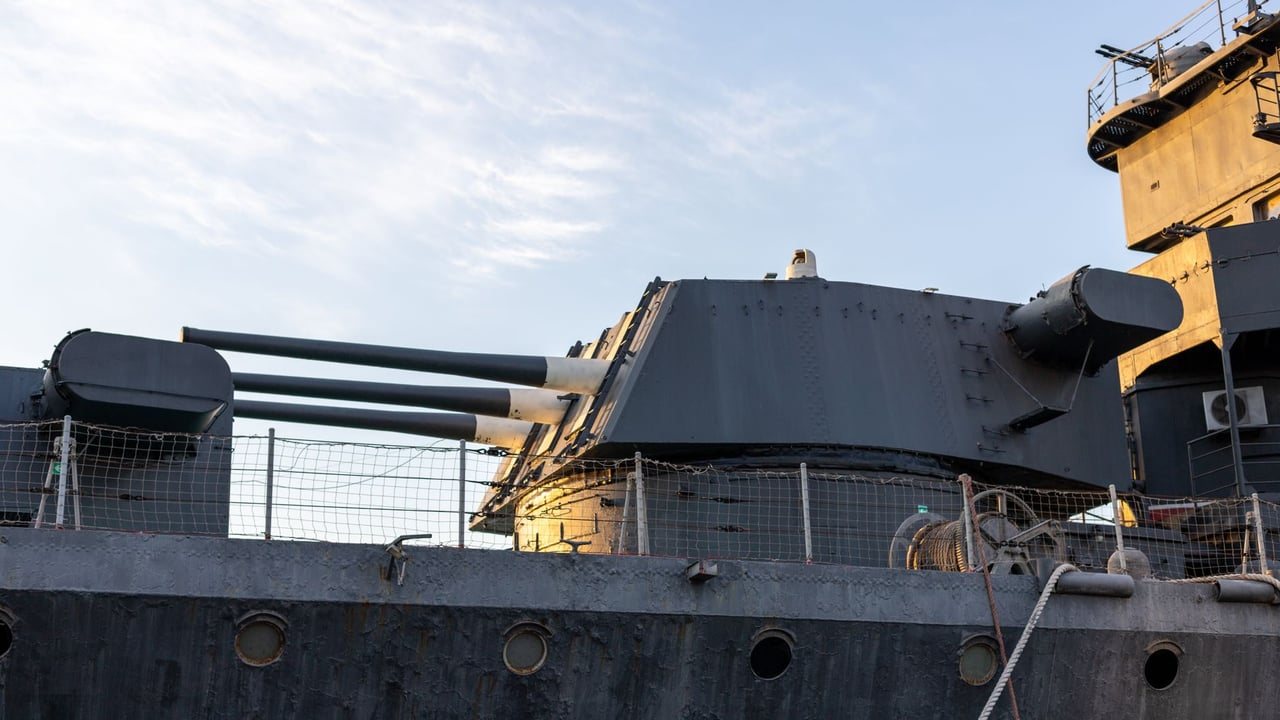
A detailed view of naval ship artillery under the evening sky, highlighting its structure and design.

Key Takeaways

  • 1Kim Jong Un has officially ordered the acceleration of a 10,000-ton strategic cruiser project.
  • 2The move signals a shift from littoral 'brown-water' defense to high-seas 'blue-water' ambitions.
  • 3A vessel of this size is comparable to the most advanced surface combatants used by the U.S. and China.
  • 4The project faces significant hurdles due to international sanctions on shipbuilding materials and advanced electronics.
  • 5Potential military cooperation with Russia is seen as a likely source of technical expertise for the project.

Editor's
Desk

Strategic Analysis

The pursuit of a 10,000-ton cruiser is more than a military upgrade; it is a psychological and strategic pivot by the Kim regime. Traditionally, North Korea’s navy has been the 'weakest link' in its conventional forces, relying on aging Soviet-era hulls and asymmetric submarine tactics. By commissioning a heavy cruiser, Kim is attempting to achieve 'naval parity' in prestige, if not in numbers, with regional rivals. This vessel will likely serve as the centerpiece of a new fleet command structure designed to intercept carrier groups or strike distant targets with cruise missiles. However, the sheer resource intensity of such a build suggests that Pyongyang may be diverting funds from other critical sectors, or that it has secured a clandestine pipeline for dual-use maritime technology that the international community has yet to fully map.

China Daily Brief Editorial
Strategic Insight
China Daily Brief

In a significant escalation of North Korea’s naval doctrine, Kim Jong Un has ordered the expedited construction of a 10,000-ton strategic missile cruiser. This directive marks a departure from Pyongyang’s traditional focus on small, fast-attack littoral craft and submarine-launched capabilities. By moving toward large-scale surface combatants, the regime is signaling an intent to project power far beyond the coastal waters of the Korean Peninsula.

A vessel of this displacement would place North Korea in an elite tier of naval operators, mirroring the weight class of the United States’ Ticonderoga-class cruisers or China’s Type 055 destroyers. Such a platform is intended to serve as a mobile, sea-based launchpad for the North’s growing arsenal of strategic cruise missiles. This development suggests that Pyongyang is no longer content with a 'porcupine' defense strategy and is instead seeking a blue-water presence capable of challenging regional maritime hegemony.

The timing of this project, purportedly set for 2026, raises critical questions regarding North Korea’s industrial capacity and access to restricted technologies. Building a sophisticated 10,000-ton warship requires advanced propulsion systems, integrated radar suites, and high-tensile steel—all of which are subject to rigorous international sanctions. Observers are closely watching for signs of illicit technical transfers, particularly in the wake of deepening military cooperation between Pyongyang and Moscow.

Should this project reach fruition, it would fundamentally alter the security calculus for the U.S. Indo-Pacific Command and its regional allies. A heavy cruiser equipped with nuclear-capable missiles would provide Kim Jong Un with a highly visible and durable deterrent against carrier strike groups. This move forces Seoul and Tokyo to reconsider their own naval procurement priorities as the threat from the North moves from the depths of the ocean to the open horizon.

Share Article

Related Articles

📰
No related articles found