

Iranian President Masoud Pezeshkian’s high-stakes visit to Islamabad this week marks a pivotal moment in West Asian diplomacy, as Pakistan steps into the spotlight as the primary arbiter between Tehran and Washington. During a joint press conference, Pakistani Prime Minister Shehbaz Sharif disclosed critical details regarding the recently inked U.S.-Iran Memorandum of Understanding, emphasizing that the contentious issue of ballistic missiles was never part of the negotiations. This strategic exclusion suggests a pragmatic, albeit narrow, focus by the Trump administration to de-escalate immediate hostilities even at the risk of alienating Israeli security concerns.
The diplomatic breakthrough follows a period of intense regional volatility that began with military exchanges in February and culminated in a June 18 remote signing of the memorandum. Pakistan’s mediation has been instrumental in navigating the historical animosity between the two powers, positioning Islamabad as a vital 'middle power' capable of bridging the gap between the Islamic Republic and the West. This role was further cemented by President Asif Ali Zardari’s endorsement of the deal and his pledge to continue fostering dialogue as the primary tool for resolving global challenges.
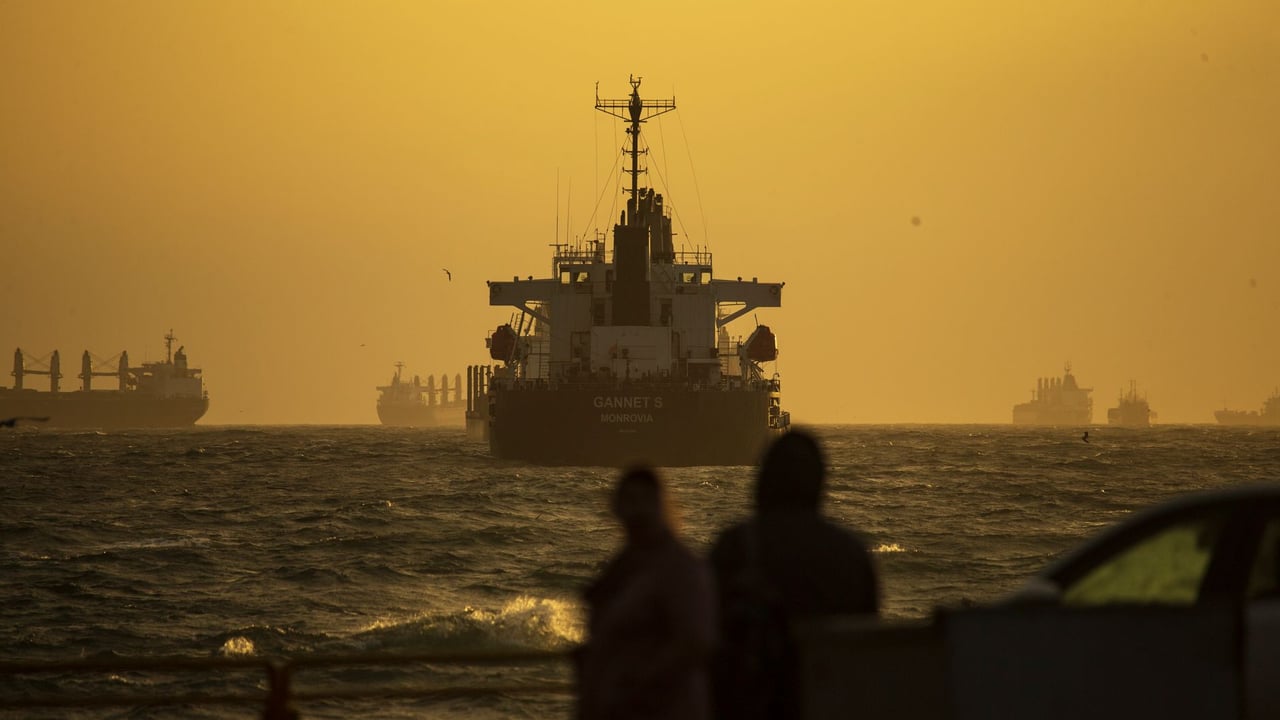
While the diplomatic corridors of Islamabad hum with talk of a new 'regional security architecture,' the practical implications of the recent conflict are only now being addressed on the high seas. The International Maritime Organization has launched a massive operation to evacuate over 11,000 seafarers currently stranded in the Strait of Hormuz, a maritime bottleneck that has been paralyzed by months of insecurity. This humanitarian effort, coordinated with regional littoral states and the U.S., serves as a tangible metric for whether the current de-escalation can translate into the restoration of global trade flows.
However, the situation in the Levant remains a stark reminder of the limitations of such diplomatic frameworks. In Lebanon, despite a tenuous ceasefire between Israel and Hezbollah that has seen a rare 48-hour period of silence, the underlying territorial disputes remain unresolved. President Michel Aoun’s insistence on full Israeli withdrawal from Lebanese soil, coupled with Hezbollah leader Naim Qassem’s defiant stance, suggests that any lasting peace in the north will require far more than a memorandum of understanding between distant capitals. The involvement of U.S. Vice President Vance and Secretary of State Rubio in these talks underscores Washington's attempt to manage multiple regional fires simultaneously.