Transactional Diplomacy: Trump Signals Search for 'Fair Deal' to Cool Hormuz Tensions

President Trump has expressed a desire to reach a 'fair deal' with Iran to resolve ongoing conflicts in the Strait of Hormuz. While maintaining a hard line against Iranian nuclear capabilities, the administration is emphasizing the economic importance of the region’s oil flow as a catalyst for a new diplomatic agreement.

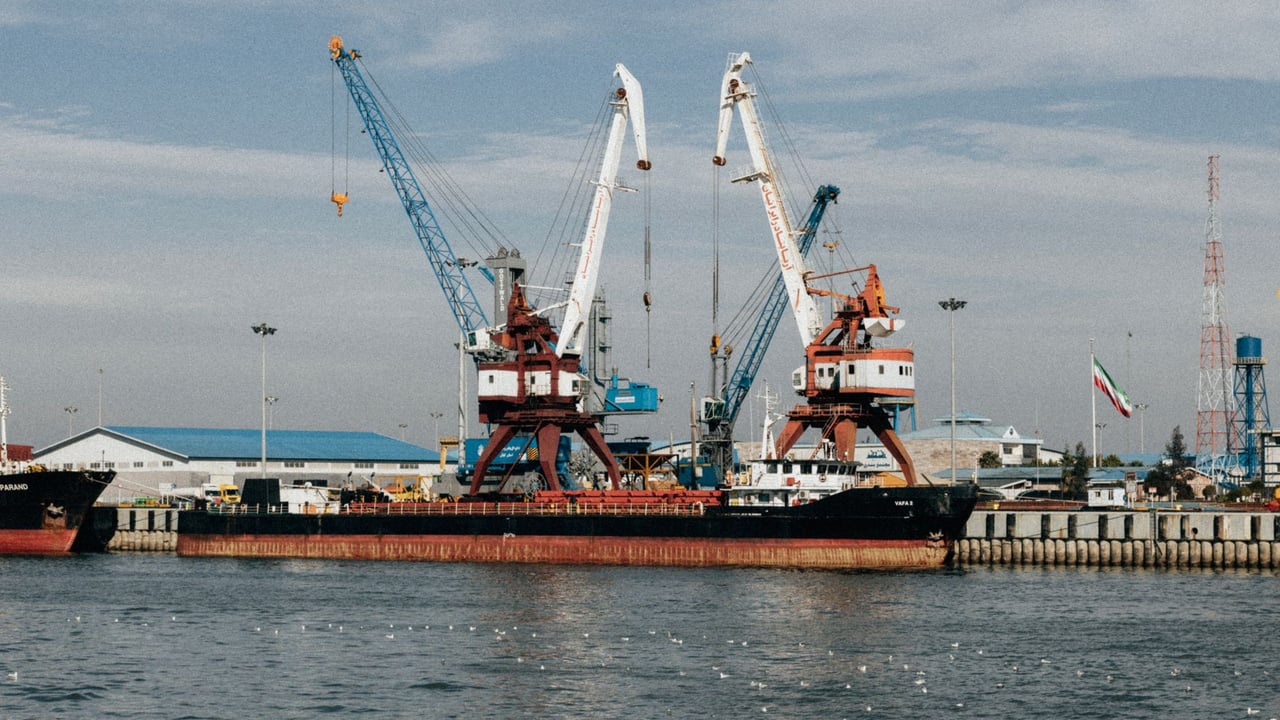
Cargo ships and cranes at the industrial port in Rasht, Gilan Province, Iran.

Key Takeaways

  • 1The US administration is signaling a willingness to negotiate a 'fair deal' to end the Hormuz Strait conflict.
  • 2The Strait of Hormuz remains a critical energy artery, with 19 million barrels of oil transiting daily.
  • 3A total ban on Iranian nuclear weapons remains a non-negotiable pillar of US foreign policy.
  • 4Trump's rhetoric suggests a shift toward a transactional approach to resolve maritime security issues.

Editor's
Desk

Strategic Analysis

The strategic focus on the 19 million barrels of oil per day indicates that the administration's primary concern is the insulation of the global economy from energy price shocks. By pivoting to the language of a 'fair deal,' Trump is attempting to apply his trademark 'art of the deal' logic to one of the world's most entrenched geopolitical rivalries. However, the disconnect between seeking a diplomatic settlement and the existing framework of heavy sanctions creates a paradox; for a 'fair deal' from the US perspective often requires concessions that the Iranian leadership views as a threat to their sovereign survival. The 'progress' noted by the President likely refers to back-channel communications rather than a formal diplomatic breakthrough, suggesting a long road ahead before any tangible stabilization is achieved.

China Daily Brief Editorial
Strategic Insight
China Daily Brief

The volatile security landscape of the Persian Gulf has taken a potentially diplomatic turn as President Donald Trump announced that the United States is actively seeking a 'fair deal' with Iran. This pivot appears aimed at de-escalating the simmering friction in the Strait of Hormuz, the world’s most critical maritime oil transit point. By framing the objective as a search for fairness, the administration is signaling a move away from purely punitive measures toward a transactional resolution.

Central to the President's calculus is the sheer scale of global energy dependence on the region. Highlighting that 19 million barrels of oil passed through the narrow strait in a single day, Trump underscored the economic imperative of maintaining stability. This emphasis suggests that the White House views the Iranian challenge not just through the lens of regional security, but as a direct threat to global commodity markets and economic equilibrium.

Despite the overtures for a new agreement, the fundamental 'red line' of American policy remains unchanged: Iran must never acquire a nuclear weapon. This core demand continues to serve as the baseline for any prospective negotiations. While the administration claims that current efforts are 'progressing well,' the gap between Washington’s demands for total nuclear capitulation and Tehran’s insistence on sanctions relief remains the primary hurdle to any lasting rapprochement.

For global observers, this development represents a familiar pattern of 'maximum pressure' followed by a public invitation to the negotiating table. The strategy seeks to leverage Iran’s economic isolation into a comprehensive agreement that covers not only nuclear enrichment but also the maritime security that underpins global trade. Whether Tehran views this 'fair deal' as a legitimate exit ramp or merely a change in rhetoric remains the defining question for the region's stability.

Share Article

Related Articles

📰
No related articles found