

Lingao County, historically recognized as the strategic landing site for the People’s Liberation Army during the final stages of the Chinese Civil War, is undergoing a profound structural metamorphosis. Once defined primarily by its ‘Red’ history and the ‘Hot Blood Monument,’ the region is being repositioned as a critical node within the Hainan Free Trade Port (FTP) framework. This transition marks a shift from a site of ideological commemoration to a laboratory for high-quality maritime and industrial development.
The integration of the Hainan Island Ring Tourist Highway has fundamentally altered the economic landscape for coastal settlements such as Changgong Village. By providing high-speed connectivity to the rest of the province, this infrastructure project has transformed isolated fishing communities into accessible tourism hubs. This physical connectivity is a central pillar of Beijing’s rural revitalization strategy, aiming to bridge the wealth gap between Hainan’s urban centers and its coastal peripheries.
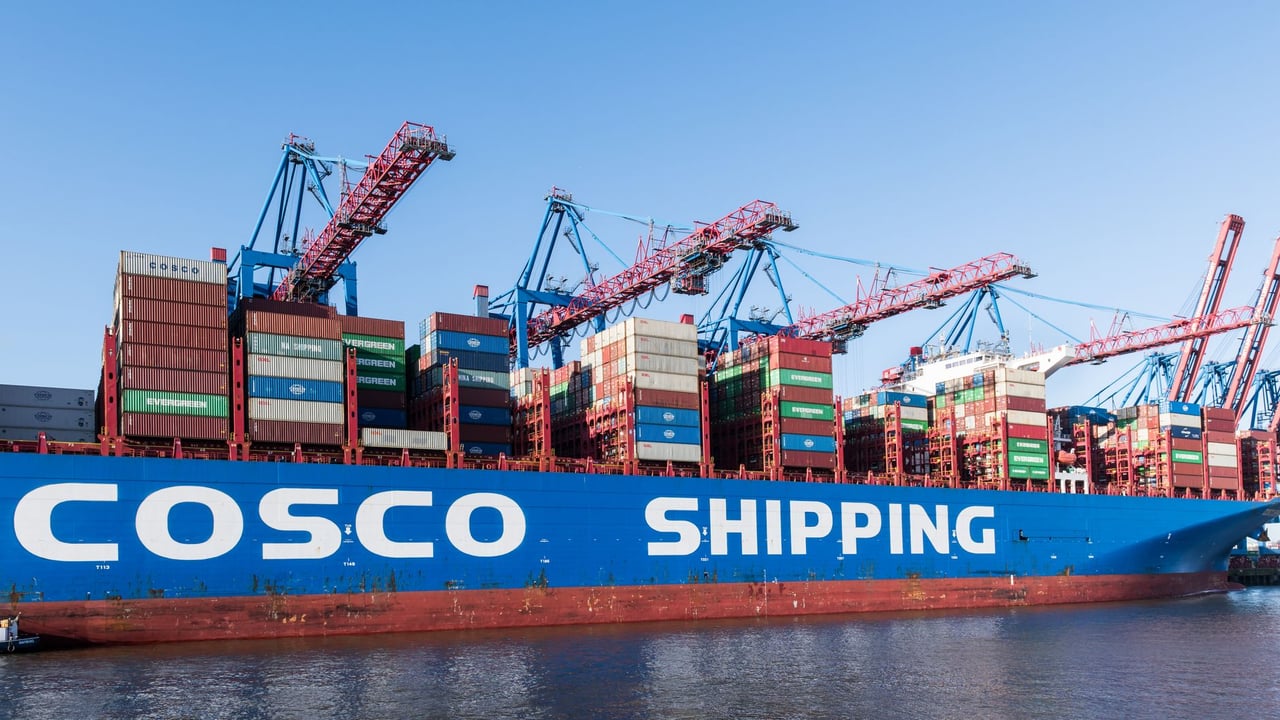
Simultaneously, the expansion of the Jinpai Port Development Zone signals Lingao’s move toward high-end manufacturing and modern logistics. By leveraging its deep-water access and the preferential tax policies of the Free Trade Port, the zone is attracting investments in green construction and maritime technology. This industrial push is designed to diversify Hainan’s economy beyond its traditional reliance on real estate and seasonal tourism, fostering a more resilient and year-round economic base.
The broader significance of Lingao’s evolution lies in its dual-track approach to development. By preserving its historical legacy while aggressively pursuing modern industrialization, local authorities are aligning with the national directive of ‘National Rejuvenation.’ This strategy ensures that while the county modernizes, it remains anchored to the political narratives that define the current era of Chinese governance, blending historical legitimacy with future-facing economic ambitions.