

The dust is only beginning to settle over Isfahan, Iran’s storied center of industry and Safavid-era splendor, following a bruising four-month conflict that has redefined the region’s geopolitical landscape. Mayor Ali Ghasemzadeh, a psychologist by training, now finds himself presiding over a city where the 'flowing poetry' of historical boulevards has been replaced by the grim mechanics of debris removal. The late June 'Burgenstock Agreement,' signed between the administrations of Donald Trump and Masoud Pezeshkian, has brought a fragile pause to hostilities that began on February 28, yet the trauma remains etched into the city’s architectural and social fabric.
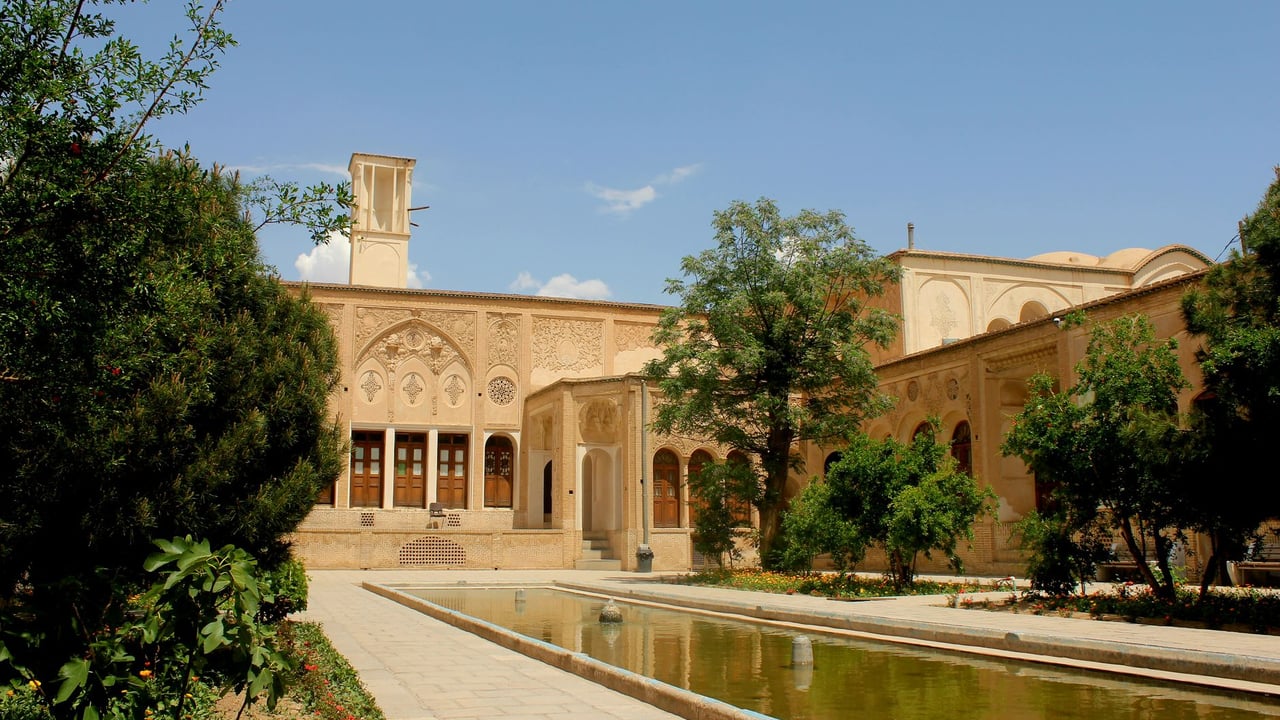
For Isfahan, the cost of the recent air campaign by U.S. and Israeli forces is both fiscal and spiritual. Ghasemzadeh estimates residential and commercial losses at roughly 10 trillion Toman ($60 million USD), but the damage to the city’s UNESCO World Heritage sites is what has truly shocked the international community. The Chehel Sotoun Palace, a 17th-century masterpiece of Safavid architecture, suffered significant structural tremors that shattered historic mirror-work and cracked delicate plaster domes. The Mayor’s account describes a scene of 'fragments of all sizes' littering the grounds of the Contemporary Art Museum and the Ashraf Hall, highlighting a level of cultural collateral damage that may take decades to restore.
Despite the devastation and the looming threat of renewed bombardment—should the delicate diplomatic dance in Switzerland falter—Ghasemzadeh is already pivoting toward an 'Eastward' recovery strategy. His vision for Isfahan’s reconstruction is inextricably linked to Beijing. The Mayor is actively courting Chinese investment, proposing the construction of Chinese-managed hotels and tailored 'cultural journey' routes designed to attract millions of visitors from the People's Republic. This move signals a strategic calculation that, in a world where Western relations remain volatile, China represents the city’s most viable economic lifeline.
This resilience, however, is tempered by a sobering realism regarding future security. While the Mayor touts the city’s ability to maintain food supplies through state-run 'Kosar' markets during the height of the strikes, he admits that civilian shelters were woefully inadequate for the intensity of modern aerial warfare. His concluding sentiment—that Isfahan will 'prepare more fully' for the next inevitable round—suggests that while the city dreams of a Chinese-led tourism boom, it remains a municipality braced for the perpetual shadow of war.