
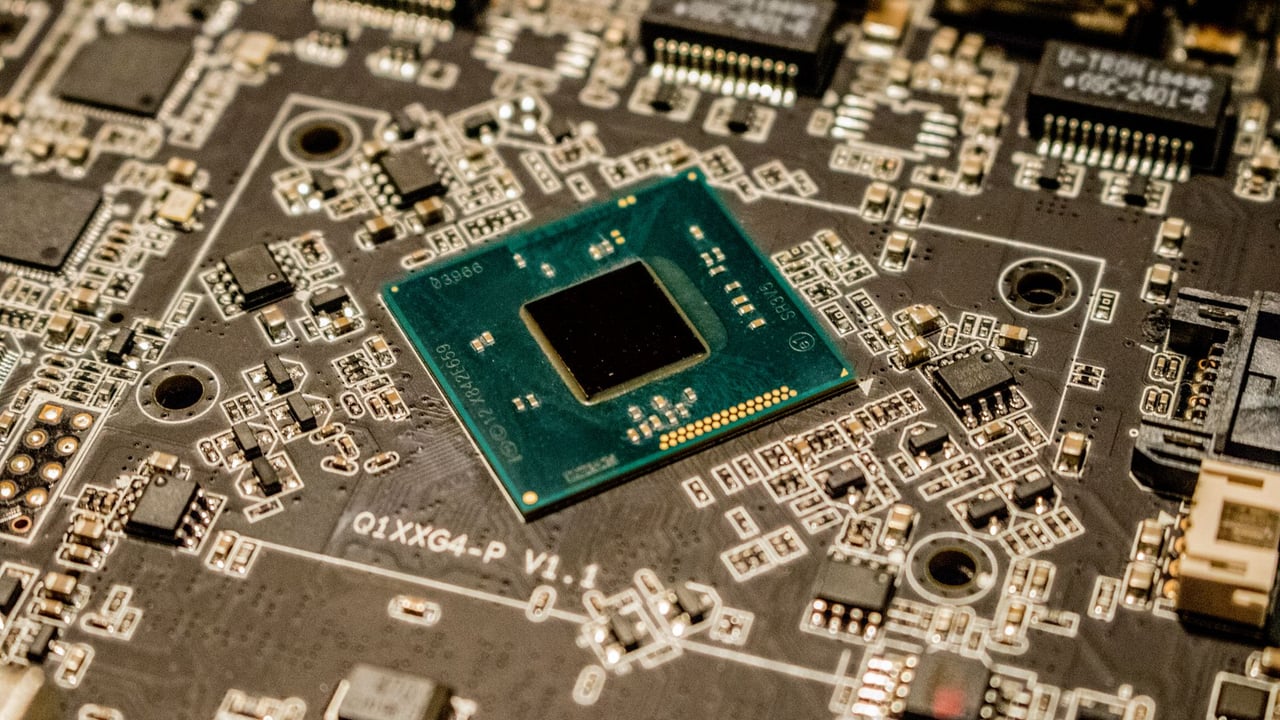

The global financial landscape is witnessing a profound divergence as a semiconductor-led tech rally clashes with a sharp correction in commodities and hardening geopolitical stances. While US markets saw a mixed close, the after-hours story was dominated by Micron Technology, which reported a staggering 346% revenue increase. This explosive growth has reignited a sector-wide rally in chip stocks, effectively silencing critics of the AI-driven infrastructure boom and highlighting the decoupling of high-tech growth from broader macroeconomic headwinds.
In the commodities market, however, the sentiment is decidedly more bearish. West Texas Intermediate (WTI) crude has plunged below the psychologically significant $70-per-barrel threshold, while gold and silver prices have retreated from recent highs. This sell-off reflects a complex recalibration of global demand expectations and a potential cooling of inflation fears, even as central banks like the People's Bank of China continue to inject liquidity through massive Medium-term Lending Facility (MLF) operations to stabilize domestic growth.
Geopolitical tensions remain a primary driver of market uncertainty, particularly regarding the fluid diplomatic situation between the United States and Iran. With Secretary of State Marco Rubio signaling technical consultations in Switzerland and former President Trump taking a hardline stance on maritime fees, the path toward a new nuclear or shipping agreement remains fraught with transactional hurdles. These tensions are mirrored in the Levant, where Israeli Prime Minister Benjamin Netanyahu has reaffirmed a policy of non-withdrawal from security zones in southern Lebanon.
Domestically, Beijing is intensifying its focus on industrial self-reliance and narrative control. The Ministry of Industry and Information Technology has launched pilots for 5G independent private networks, while the Commerce Ministry has tightened regulations on strategic mineral exports. Simultaneously, senior officials from the United Front Work Department have stepped up their defense of Xinjiang’s labor policies, dismissing international allegations of forced labor as 'absurd' and framing the movement of labor as a voluntary mechanism for economic empowerment.
In the consumer tech space, the focus has shifted from experimentation to monetization. ByteDance has officially launched a paid tier for its 'Doubao' AI, signaling a new phase of commercialization for large language models. Meanwhile, the humanoid robotics sector is seeing aggressive price competition, with Hangzhou-based Unitree slashing prices on its flagship models to under $30,000. This move, combined with rumors of Apple’s imminent foldable iPhone production, suggests that the next generation of hardware innovation is rapidly approaching a point of mass-market accessibility.