
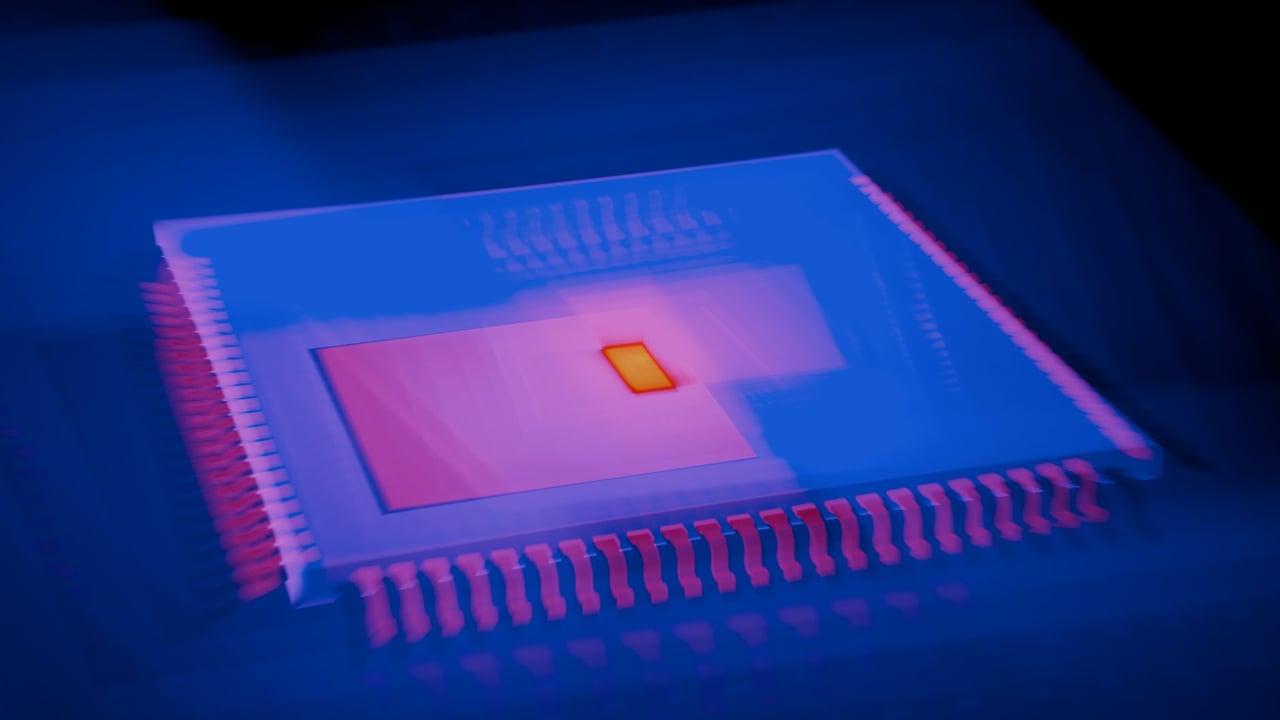

Qualcomm is charting a bold course into the heart of the AI infrastructure market, signaling a long-term challenge to incumbents like Nvidia and Intel. The San Diego-based chipmaker recently unveiled an ambitious roadmap that includes a third-generation AI chip slated for 2027 and a dedicated data center CPU by mid-2028. This move marks a significant evolution for a company historically synonymous with mobile telephony.
The strategy is already gaining traction among Silicon Valley’s hyperscalers, providing the necessary validation for Qualcomm's architectural shift. Microsoft has committed to deploying Qualcomm’s high-bandwidth computing (HBC) chips within its Azure data centers, while Meta plans to integrate the C1000 CPU into its own infrastructure. These high-profile endorsements suggest that the industry is hungry for power-efficient alternatives in a market currently struggling with energy constraints.
Financial targets underscore the scale of this ambition, with Qualcomm projecting that its data center operations will generate billions of dollars in revenue by fiscal year 2027. To sustain this growth, the company is also planning a second generation of its HBC chips for 2028. This multi-year pipeline aims to bridge the gap between edge computing on devices and centralized cloud processing.
This diversification is a strategic necessity as the global smartphone market matures and the demand for generative AI infrastructure explodes. By leveraging its heritage in low-power architecture, Qualcomm is positioning itself to meet the surging demand for energy-efficient data processing. This pivot could fundamentally redefine the company's identity and market valuation for the coming decade.