Nuclear Verification or Political Vapourware? Trump and Tehran Clash Over IAEA Access

U.S. President Donald Trump claims IAEA inspectors will soon visit Iranian nuclear sites under a pre-arranged agreement, while Tehran's Foreign Ministry explicitly denies any such plans. This public disagreement casts doubt on the viability of current nuclear negotiations and the timeline for international verification.

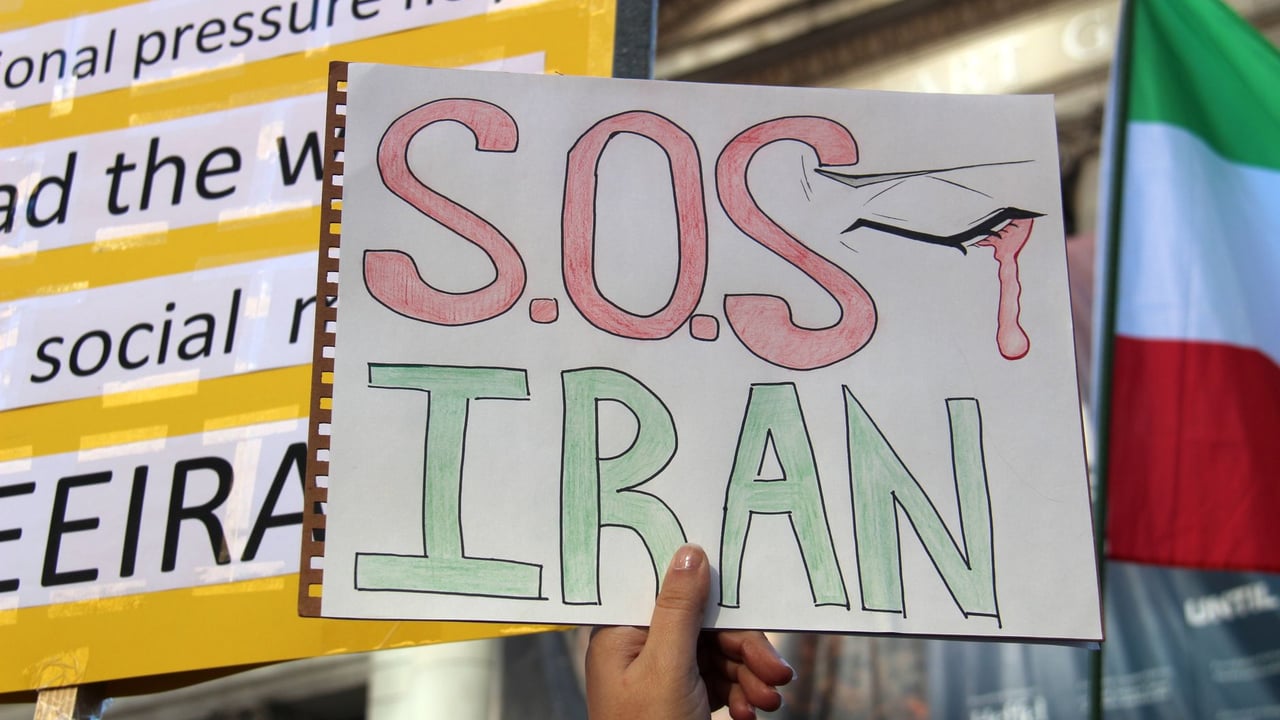
Protest sign reading SOS Iran during a demonstration in Vancouver, raising awareness for Iranian issues.

Key Takeaways

  • 1Trump asserts the U.S. has 100% confirmation that Iran agreed to IAEA inspections.
  • 2Iran’s Foreign Ministry spokesperson denied any current plans for inspectors to visit damaged facilities.
  • 3The U.S. President has not provided a specific timeline, citing that there is no need to rush.
  • 4Trump threatened to cancel ongoing diplomatic talks if Iran's claims of non-agreement prove true.

Editor's
Desk

Strategic Analysis

This dispute highlights the recurring theatre of diplomacy that defines U.S.-Iran relations. By claiming a deal is finalized while Iran denies it, the Trump administration attempts to frame any future delay as an Iranian breach of faith, rather than a failure of American diplomacy. Tehran’s denial serves as a domestic face-saving measure and a tactical maneuver to maintain leverage in a high-stakes environment. Ultimately, the lack of a concrete timeline for IAEA access suggests that the 'appropriate time' is a diplomatic fiction designed to prolong negotiations without reaching a definitive resolution.

China Daily Brief Editorial
Strategic Insight
China Daily Brief

A fresh diplomatic rift has opened between Washington and Tehran as Donald Trump asserts that international nuclear inspectors will soon gain access to Iranian facilities, a claim flatly denied by the Islamic Republic. Speaking on June 23, the U.S. President dismissed Tehran’s public hesitation as incorrect, insisting that internal agreements are already in place for the International Atomic Energy Agency (IAEA) to proceed.

Despite the President’s confidence, he notably refrained from providing a concrete timeline for these inspections. Trump characterized the delay as a matter of strategic timing rather than a failure of negotiations, stating there was no necessity to rush provided the underlying agreements remain valid.

The Iranian Foreign Ministry has responded with uncharacteristic bluntness, with spokesperson Esmaeil Baghaei stating that no plans currently exist for IAEA personnel to visit the country’s sensitive or damaged nuclear sites. This contradiction suggests either a significant breakdown in communication or a calculated piece of brinkmanship from one or both sides of the negotiating table.

The stakes for these inspections remain high, as they serve as the primary mechanism for the international community to verify the peaceful nature of Iran’s nuclear program. Should the talks collapse over this disagreement, Trump has threatened to immediately withdraw from the current diplomatic track, potentially returning to a policy of heightened sanctions and isolation.

Share Article

Related Articles

📰
No related articles found