Nuclear Brinkmanship: Trump Asserts US Role in Iran Inspections Amid Tehran’s Refusal

President Trump has signaled that US personnel will join IAEA inspections in Iran, while Tehran maintains that no such access will be granted until all economic sanctions are fully lifted.

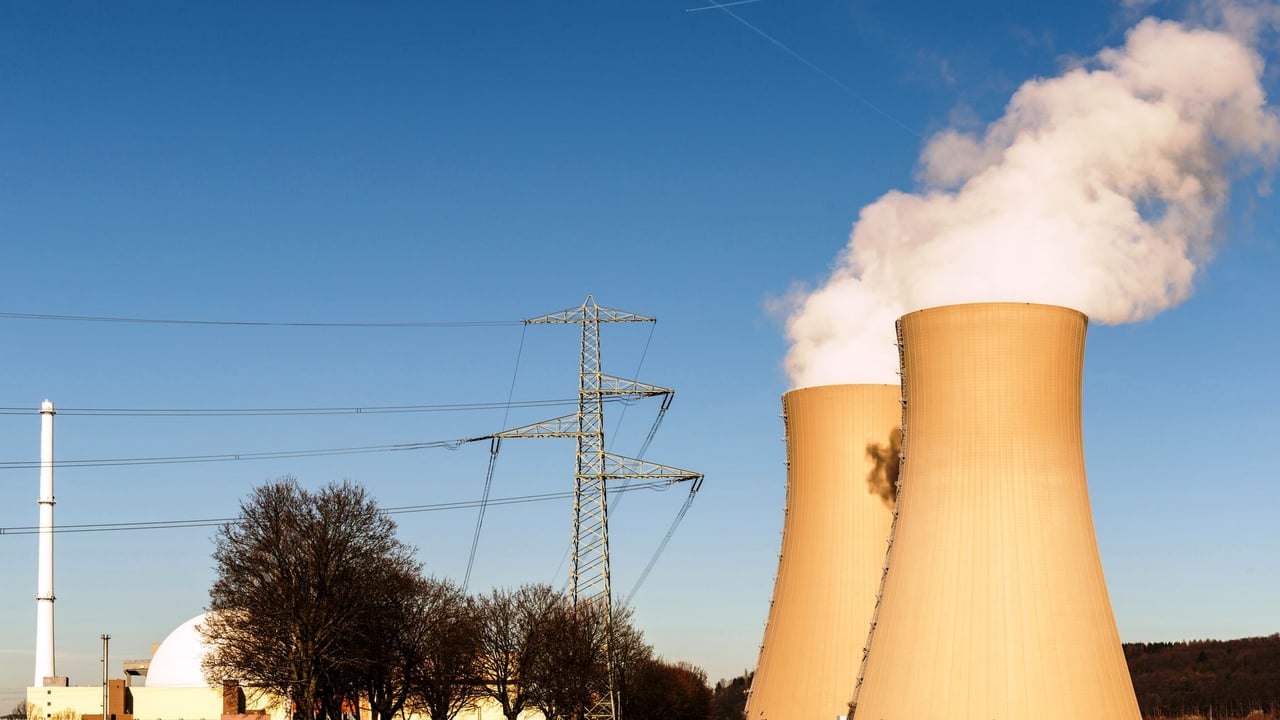
A nuclear power plant in Hameln, Germany, showcasing cooling towers and electricity pylons.

Key Takeaways

  • 1President Trump claims Iran has agreed to allow US personnel to join IAEA inspection teams.
  • 2Iran’s Deputy Foreign Minister insists inspections are only negotiable within a final agreement framework.
  • 3The lifting of all economic sanctions remains Iran’s non-negotiable prerequisite for nuclear site access.
  • 4Current disputes specifically involve sites that were recently subject to attacks or sabotage.
  • 5Trump remains skeptical of Iranian diplomatic commitments, citing a history of the regime 'going back on their word'.

Editor's
Desk

Strategic Analysis

The clash of narratives between the White House and the Iranian Foreign Ministry suggests a calculated game of diplomatic chicken. By asserting that US personnel will join the IAEA teams, Trump is attempting to normalize direct American oversight, which would be a significant shift in the inspection protocol. Conversely, Iran's insistence on 'sanctions first' indicates that they view nuclear transparency not as a baseline requirement, but as their final and most valuable bargaining chip. The mention of 'attacked facilities' suggests that these inspections are not routine, but are instead focused on assessing damage and forensic evidence of sabotage, which significantly raises the security sensitivity for Tehran.

China Daily Brief Editorial
Strategic Insight
China Daily Brief

In a move that heightens the stakes of the ongoing nuclear standoff, President Donald Trump has announced that American personnel will participate in International Atomic Energy Agency (IAEA) inspections of Iranian nuclear facilities. Speaking to Fox News, the President asserted that an agreement for access is already in place, despite vocal denials from Tehran regarding the immediate entry of inspectors into sensitive sites.

The tension centers on facilities that were recently targeted in reported attacks. While Trump maintains that Iran has agreed to the inspections, he dismissed Tehran’s current resistance as a characteristic tactical retreat, suggesting the Iranian leadership frequently reneges on written commitments. The President expressed a lack of urgency for immediate entry, framing the situation as a long-term compliance battle rather than a sudden crisis.

Tehran has responded with a sharply different narrative. Deputy Foreign Minister Gharibabadi stated on social media that any discussion regarding the inspection of attacked facilities or nuclear materials is strictly contingent upon a final comprehensive agreement. Specifically, Iran demands the verified termination of all economic sanctions before it will consider opening its doors to international observers.

This discrepancy underscores the persistent lack of trust and the wide gap in diplomatic expectations between the two nations. For Washington, the goal remains rigorous, on-site verification involving American expertise. For Tehran, the nuclear program remains the primary lever to force the removal of an aggressive sanctions regime that has crippled its domestic economy.

Share Article

Related Articles

📰
No related articles found