

The dust has barely settled on the streets of Isfahan after the conclusion of the 'February 28 War,' a conflict that saw the historic city become a flashpoint in a high-stakes confrontation between Iran, Israel, and the United States. Following the signing of a memorandum by U.S. President Donald Trump and Iranian President Masoud Pezeshkian, and a subsequent diplomatic breakthrough in Switzerland, the immediate threat of airstrikes has subsided. Yet for the city’s mayor, Ali Ghasemzadeh, the work of navigating the geopolitical wreckage is only beginning.
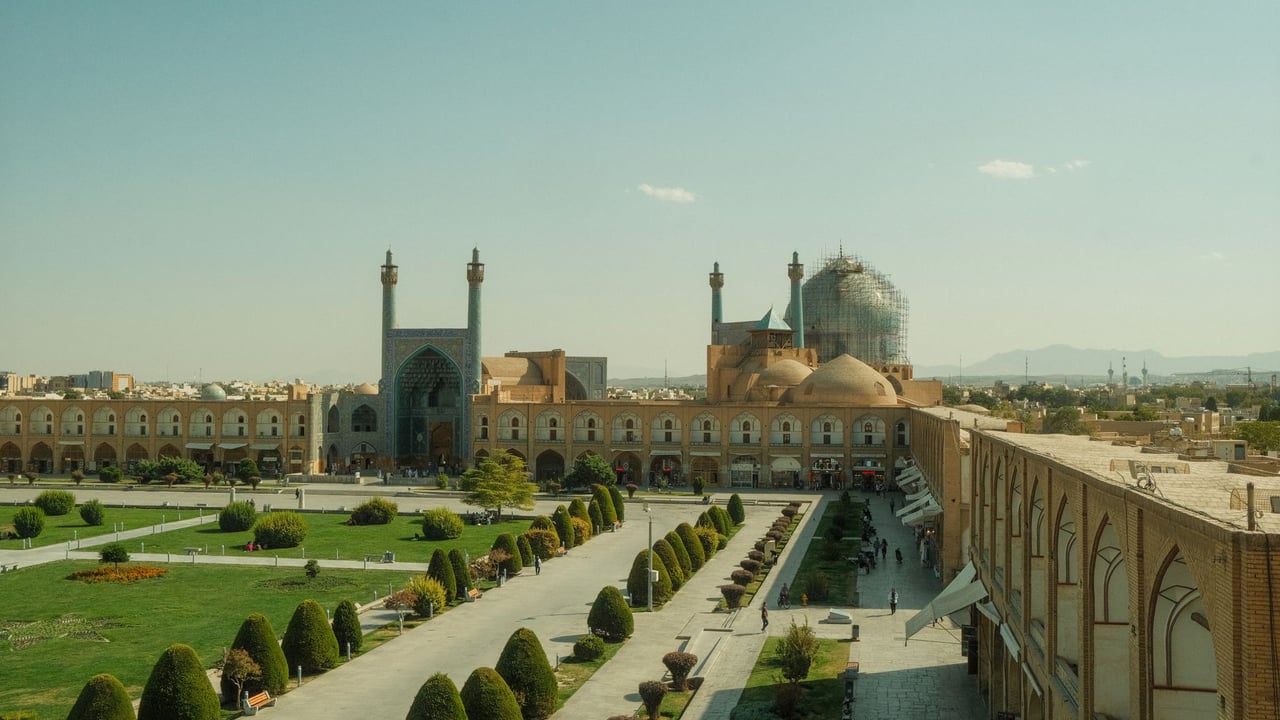
Isfahan, a city that serves as both Iran’s industrial heart and its cultural soul, bore a heavy cost during the campaign. Ghasemzadeh, a psychologist by training who transitioned into urban governance, reports that the city suffered nearly 10 trillion Toman in damages to residential and commercial infrastructure. More tragically, the strikes hit the city’s UNESCO-listed heritage sites, including the Safavid-era Chehel Sotoun and Naqsh-e Jahan Square, where centuries-old frescoes and mirror-work were shattered by the concussive force of nearby explosions.
The Mayor’s strategy for recovery is remarkably focused on a single demographic: the Chinese traveler. In a post-war landscape where Western ties remain severed, Ghasemzadeh is betting on a 'cultural journey' to revitalize the local economy. His plans include the construction of a Chinese-managed hotel specifically designed to cater to the dietary and linguistic needs of visitors from the East, reflecting a broader Iranian state strategy of total alignment with its most reliable economic partner.
Despite the devastation, Ghasemzadeh remains defiant regarding the possibility of future hostilities. He characterizes the recent conflict as a learning experience, suggesting that while the city's shelters were inadequate for the intensity of modern precision bombing, the municipal government has now refined its mobilization and supply-chain logistics. His assertion that 'next time, we will be better prepared' serves as a stark reminder that in the eyes of Iranian officials, the current peace is perhaps only a temporary intermission.
The economic resilience of the city during the blockade was a point of pride for the administration. While inflation remains a persistent shadow over the Iranian economy, the Mayor insists that essential supply chains for meat, rice, and oil held firm. This was achieved through a centralized distribution network of 'Kosar' markets and strict oversight to prevent hoarding. However, the true test of this resilience will be whether Isfahan can successfully transition from a besieged fortress back into a global cultural hub while the threat of renewed conflict lingers.