
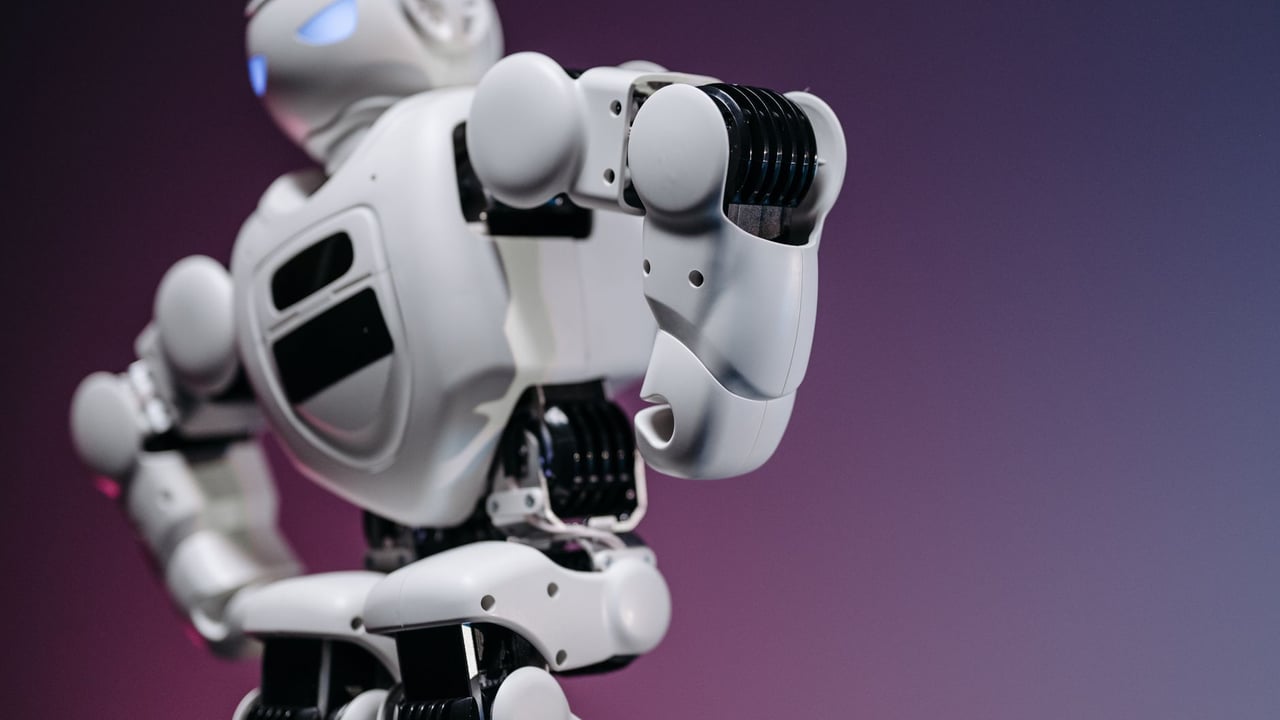

On June 24, Unitree Robotics, a leading player in the global robotics arena, announced a significant price reduction for its R1 humanoid model, slashing the entry price to just 29,900 RMB ($4,100). This move, accompanied by the opening of immediate spot sales, signals a decisive shift from experimental prototyping to aggressive commercialization in the burgeoning humanoid sector.
The R1 is a sophisticated piece of machinery; at 25 kilograms and equipped with 26 high-precision joints, it leverages multimodal large language models for advanced voice and image interaction. Its pedigree includes accolades such as Time Magazine’s Best Invention of 2025, yet its price tag now rivals that of a high-end laptop. This democratization of hardware is a hallmark of the 'China Price' strategy that has previously transformed the global electronics and electric vehicle markets.
The collapse in pricing is underpinned by a rapidly maturing domestic supply chain. In 2023, a Unitree humanoid unit cost nearly 600,000 RMB; by 2025, that figure had plummeted by over 70%. The secret lies in the localization of core components—specifically reducers, servo systems, and controllers—which account for more than 70% of total production costs. With Chinese localization rates for these parts reaching between 75% and 90%, manufacturers have successfully decoupled from expensive international dependencies.
Market dominance is following cost efficiency. China now hosts over 140 humanoid robot enterprises, accounting for a staggering 84.7% of global shipments in 2025. Unitree alone commands nearly a third of the world market share, far outstripping both domestic rivals and international competitors. As the industry anticipates domestic shipments to reach 62,500 units by 2026, the transition of the humanoid robot from a sci-fi concept to a standard industrial tool is accelerating.
This industrial blitz is fueling a financial surge for the sector's frontrunners. Unitree is currently pursuing a 4.2 billion RMB IPO on Shanghai’s STAR Market, bolstered by a 335% revenue jump in 2025 and a net profit increase of over 670%. For global observers, the narrative is shifting: while the West focuses on foundational AI breakthroughs, China is rapidly winning the race to put that intelligence into affordable, mass-produced physical forms.