
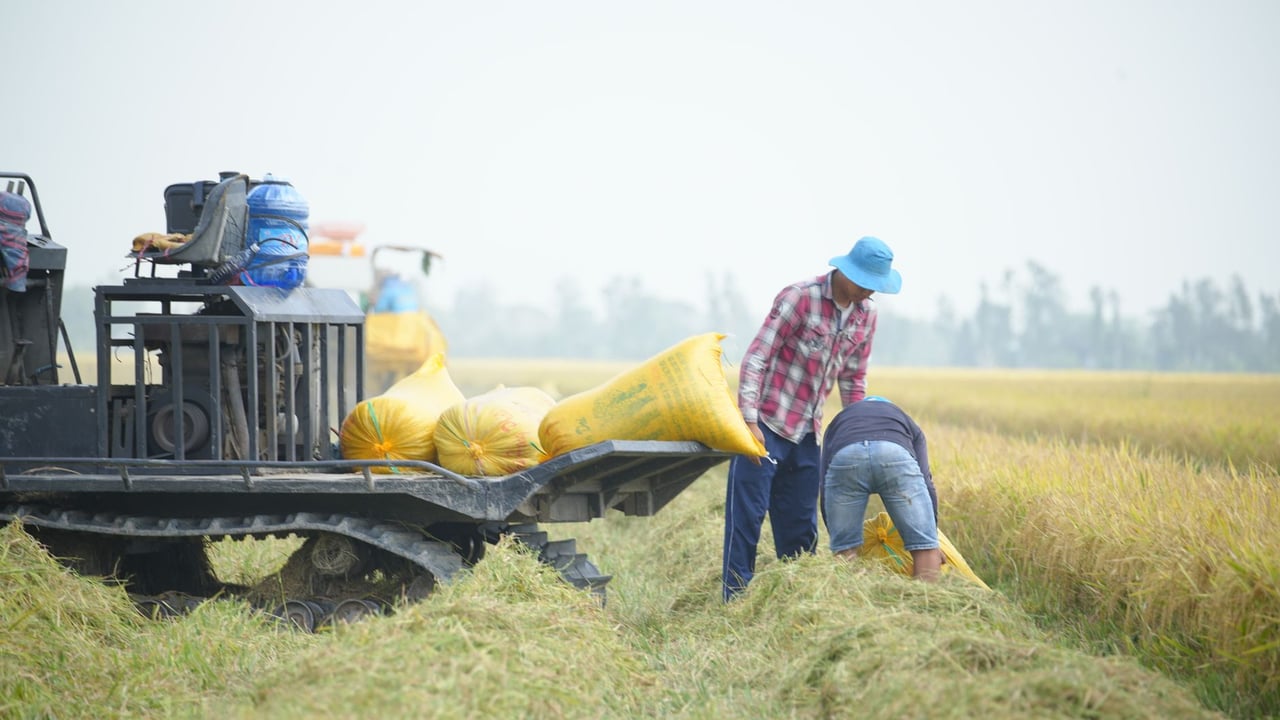

For Starlight Agricultural Machinery, once a standard-bearer for China’s mechanized farming ambitions, the fields have long since turned fallow. The company, trading as ST Xingnong on the Shanghai Stock Exchange, recently announced a planned change of control as it seeks to escape a five-year spiral of deepening losses and regulatory entanglements. This maneuver, initiated through a share transfer agreement by its founding team, represents a last-ditch effort to revitalize a firm that has become a symbol of the challenges facing the country’s mid-tier industrial sector.
Financial records reveal a harrowing trajectory for the manufacturer. Between 2022 and 2025, the company failed to record a single profitable year, with cumulative losses exceeding 490 million yuan. The arrival of 2026 has brought no respite; despite a doubling of revenue in the first quarter to 103 million yuan, net profit remained firmly in the red at negative 30 million yuan. Rising operational costs—specifically a 124% surge in period expenses—have consistently outpaced growth, leaving the firm structurally incapable of generating a surplus.
Adding to the complexity is a tight regulatory corset. Because the company is currently under administrative penalty from the Zhejiang Bureau of the China Securities Regulatory Commission and has faced public censure from the Shanghai Stock Exchange, its controlling shareholder is legally barred from reducing its stake. The proposed transfer of control via an agreement between founders and new investors is a strategic attempt to bypass these restrictions while injecting the necessary capital and management expertise to stave off a permanent exit from the market.
Institutional observers have noted the timing of the transition with significant interest. Just days before the announcement, the company’s founder, Zhang Shenqiang, resigned from his directorship, signaling a retreat by the original architects of the firm. Furthermore, the stock hit its daily upward limit immediately preceding the official disclosure, a phenomenon often referred to as 'running ahead' in Chinese markets, which raises uncomfortable questions regarding information leakage and internal transparency during the negotiation phase.
As the company enters a two-day trading suspension to finalize the terms of the transfer, the broader agricultural machinery sector watches closely. In an era where Beijing is prioritizing food security and advanced rural mechanization, the failure of a former market leader highlights the intense consolidation and competitive pressure within the industry. Whether a new owner can navigate the technical and financial hurdles that stumped the founders remains the critical question for the company’s frustrated shareholders.