
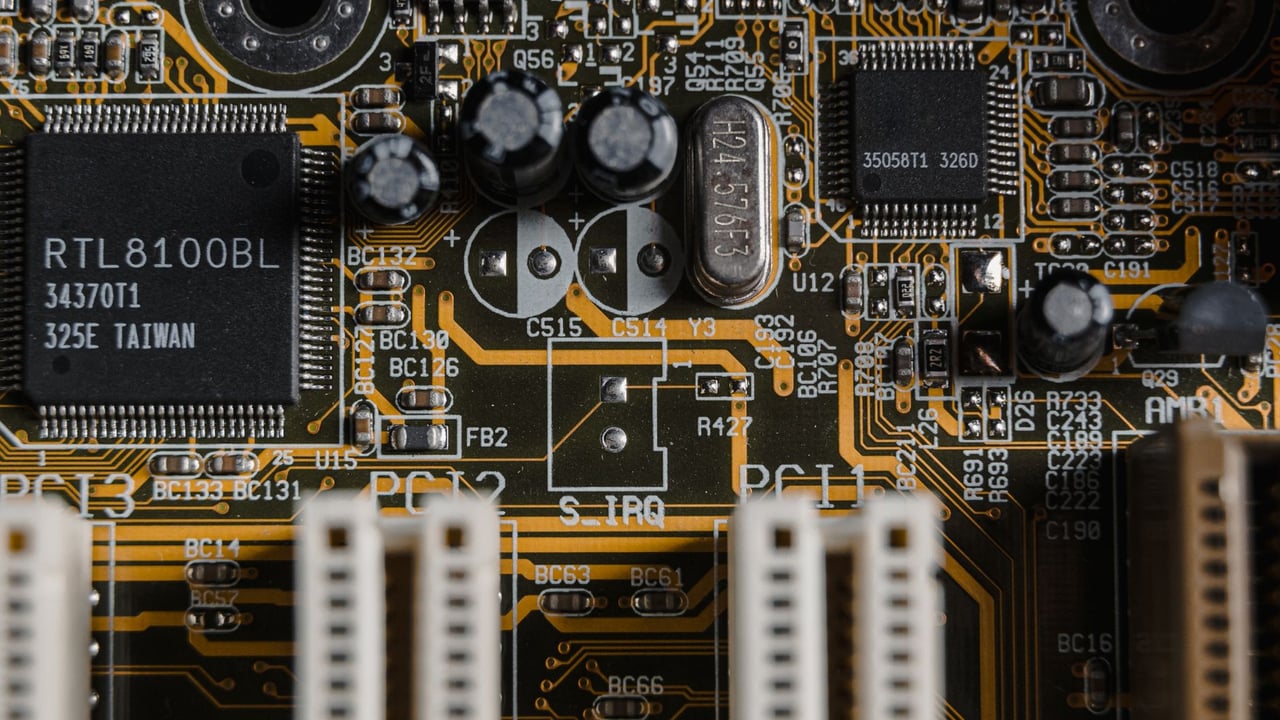

The initial public offering (IPO) market on Shanghai’s STAR Market has returned to a state of high-octane euphoria, reminiscent of the exchange's earliest days. On June 24, semiconductor component manufacturer Zhenbao Technology made a stunning debut, with its share price surging over 1,200% to close at 585 yuan. For the fortunate retail investors who won the lottery-style allocation, the single-day gain per lot exceeded 270,000 yuan, signaling a powerful return of the so-called 'wealth-creation effect' in China’s tech-heavy board.
This performance is not an isolated incident but rather the latest peak in a broader 2026 trend where 'hard tech' listings have consistently defied gravity. From optical communication leaders like Lianxun Instruments to specialized fiber optics firms like Changjin Photonics, the first half of the year has seen multiple listings achieve ten-fold gains on their first day of trading. This wave of capital is flowing almost exclusively into sectors deemed vital to China’s national security and technological self-reliance, particularly those feeding the insatiable demand for AI computing power.
Perhaps the most symbolic shift in this market cycle is the emergence of Lianxun Instruments as the new 'Stock King' of the A-share market. Having surged over 3,000% since its April debut, the company’s share price recently surpassed the historical high of Kweichow Moutai, the traditional heavyweight of the Chinese equity world. This transition from a premium liquor brand to a high-end testing instrument manufacturer as the market’s valuation ceiling reflects a fundamental pivot in investor psychology and state-led economic priorities.
However, beneath the headline-grabbing gains lies a more precarious reality for secondary market participants. While the 'zero-break' streak for 2026 IPOs remains intact on day one, data reveals that over 70% of these stocks are currently trading below their first-day closing prices. Professional analysts are increasingly vocal about the 'lottery' nature of these gains, warning that retail investors chasing the rally at peak valuations face significant downside risks as institutional fervor eventually cools.
The valuation metrics for these new darlings are reaching levels that challenge traditional fundamental analysis. Lianxun Instruments, for instance, trades at a trailing price-to-earnings ratio of over 750, more than ten times the industry average. While the strategic importance of these firms in the global semiconductor and AI race is undeniable, the current pricing suggests a market that is pricing in decades of flawless growth in a single afternoon, leaving little room for the cyclical volatility inherent in the tech sector.