

International oil markets witnessed a dramatic reversal this week as WTI crude plummeted below the $70 mark for the first time since early March. This sudden descent, which wiped out nearly all gains since the outbreak of the recent conflict, reflects a market eager to price in a 'peace dividend' following news that the Strait of Hormuz has reopened and US-Iran negotiations are set to resume later this month.
The diplomatic thaw began with the signing of a memorandum of understanding between Washington and Tehran, sparking a technical dialogue scheduled for late June. While President Trump has signaled a push for international inspectors to access Iranian nuclear sites, Tehran remains guarded about allowing entry to facilities recently involved in military incidents, suggesting that the path toward a comprehensive settlement remains fraught with obstacles.
However, the rapid retreat in futures prices masks a far more complex physical reality on the ground. Energy experts, including Lin Boqiang of the China Institute for Energy Policy Research, warn of a significant 'rhythm gap' between the financial market's optimism and the operational timeline required to restore global supply chains to their pre-war efficiency.
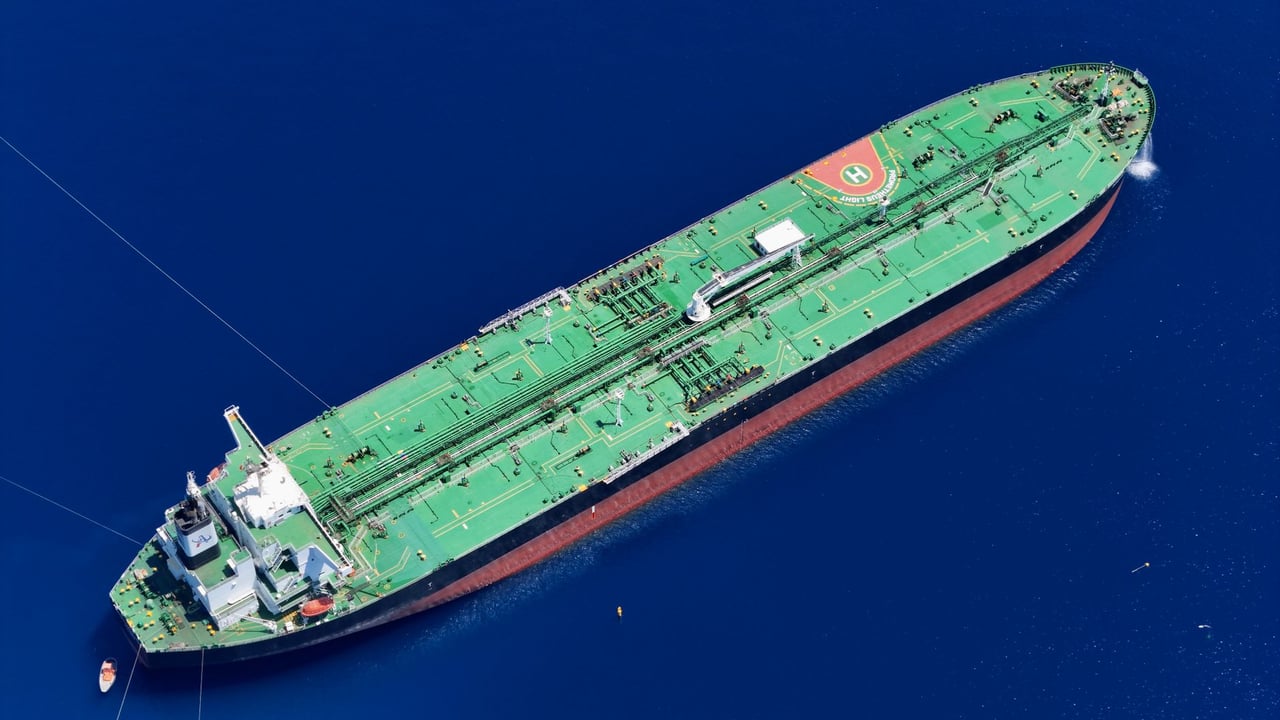
Though the blockade of the Strait of Hormuz has ended, the immediate 'pulse' of supply from hundreds of idling tankers is a one-time event rather than a sustainable increase in production. Many vessels, having sat in warm Gulf waters for months, require extensive hull cleaning and maintenance before they can safely return to global shipping lanes, while insurance premiums remain at levels that deter many smaller operators.
The recovery of production capacity across the Gulf remains uneven. While infrastructure-rich nations like Saudi Arabia and the UAE are poised for a swift return to full capacity within weeks, Iraq faces a grueling 6-to-12-month climb to restore output. Its southern terminals are suffering from technical imbalances that could lead to permanent reservoir damage if not managed with precision.
Long-term forecasts from the International Energy Agency suggest that this conflict occurred within a broader context of a looming global oversupply expected by 2027. With surging production from North America, Brazil, and Guyana, the current price correction signals a return to a market logic dominated by structural abundance rather than immediate geopolitical scarcity, provided the current fragile peace holds.