

The world’s most critical maritime energy artery is showing signs of life again. Following a period of crippling conflict that sent global energy markets into a tailspin, the Strait of Hormuz has witnessed a dramatic rebound in commercial traffic. US Energy Secretary Wright confirmed that approximately 20 million barrels of crude oil—roughly one-fifth of global daily consumption—passed through the narrow waterway in a single 24-hour period this week.
This surge in activity follows a preliminary agreement reached between Washington and Tehran during high-stakes negotiations in Switzerland. Under the terms of the temporary truce, Iran has agreed to a 60-day window of free passage for commercial vessels, while the United States has ostensibly lifted its maritime blockade. The immediate effect on global markets was palpable, with international crude benchmarks shedding over $3 per barrel to return to price levels not seen since before the conflict erupted in February 2026.
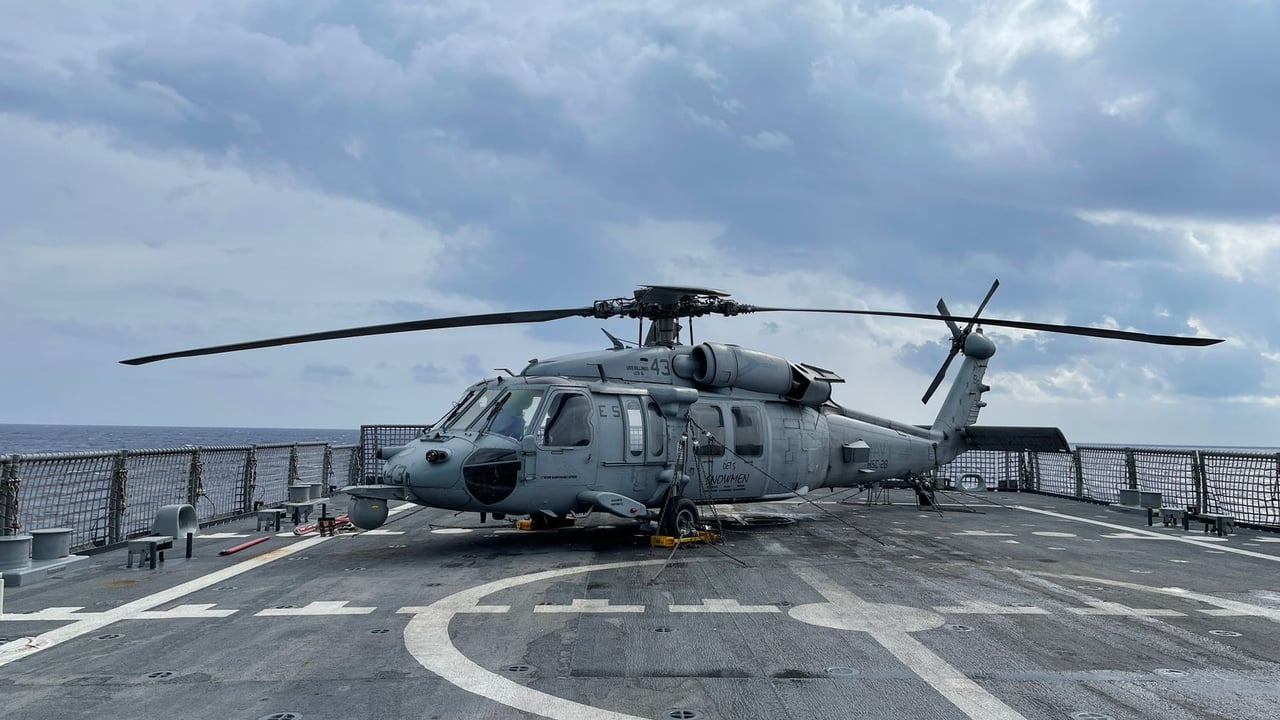
Despite the uptick in volume, the transit remains a high-wire act of military coordination and caution. While 72 vessels successfully navigated the strait in a single day, many are avoiding the primary deep-water channels due to the persistent threat of sea mines. Instead, tankers are being escorted by US Navy assets along the southern Omani coast or hugging the Iranian shoreline. Energy officials warn that a total return to normalcy will require a comprehensive demining operation that could take several weeks to complete.
Political hurdles also remain formidable. President Donald Trump has already signaled that any long-term deal requiring shipping fees or maritime levies to be paid to Iran would be 'unacceptable.' With the 60-day grace period effectively serving as a ticking clock, the sustainability of this energy flow depends entirely on whether the 'preliminary' understanding can be forged into a permanent settlement. For now, the global economy has gained a much-needed reprieve from the specter of a total energy shutdown.