

As consumer appetites shift toward specialty dairy and easier-to-digest alternatives, Yili Group is doubling down on its global goat milk dominance. The Chinese dairy behemoth, already a global top-five player, has launched a sophisticated traceability campaign centered on its Dutch supply chain, signaling a maturation of its international expansion strategy. This move aims to bridge the gap between European production standards and growing global demand for high-end, functional nutrition.
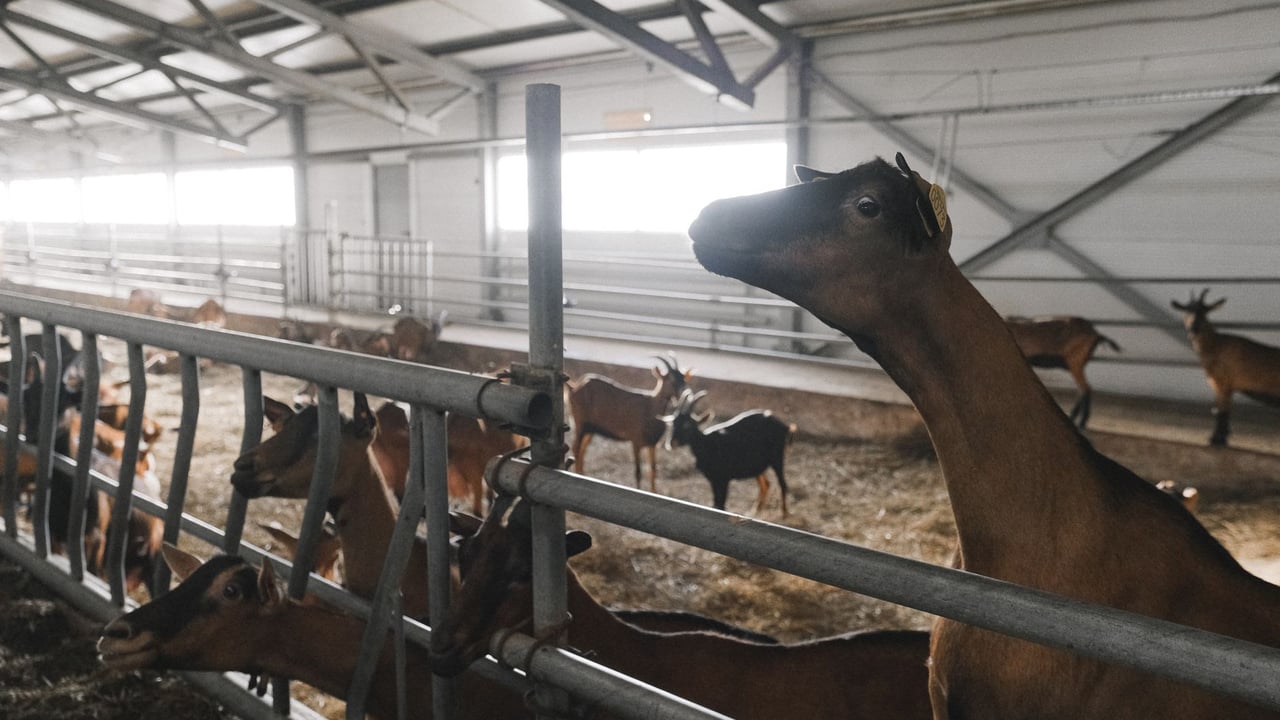
The centerpiece of this strategy is the integration of the Netherlands as a primary production hub. By utilizing the country’s high-yield Saanen goats and century-old pastures, Yili is not merely sourcing raw materials but embedding itself within the local agricultural ecosystem. The company now manages six professional dairy plants in the Netherlands through its subsidiary, Ausnutria, boasting an annual capacity exceeding 160,000 tons. This localized production model allows Yili to bypass traditional logistics hurdles while capitalizing on the prestige of the 'European Gold Milk Belt.'
Operational efficiency and food safety remain the primary pillars of Yili’s narrative. The company has implemented a rigorous '70-2-24' rule: milk is collected within a 70-kilometer radius, transported in a cold chain to the factory within two hours, and processed into powder within 24 hours. To satisfy increasingly skeptical consumers, this process is backed by a digital traceability system linked to Dutch government monitoring. This level of transparency is designed to rebuild and maintain trust in a sector historically plagued by quality concerns.
Technological innovation is being funneled through the Yili Europe Innovation Center, established at the prestigious Wageningen University. By merging big data with nutritional science, the center focuses on tailoring formulas for specific demographics, ranging from infant brain development to adult immune support. This R&D-heavy approach appears to be paying off, as Yili now commands nearly 35% of China’s infant goat milk market while seeing explosive 50% growth in its overseas infant nutrition divisions.
Ultimately, Yili’s Dutch venture represents a broader trend of Chinese multinationals evolving from simple exporters to sophisticated global managers. By controlling the entire value chain—from the genetics of the goat to the final distribution in 40 countries—Yili is positioning itself as the architect of a new global dairy order. This strategy effectively insulates the company against domestic market saturation and creates a resilient, multi-polar supply network that spans both hemispheres.