

Foie gras, the fatty liver of a goose or duck, has long stood as one of the three pillars of French culinary prestige alongside truffles and caviar. For centuries, France has cultivated an image of this delicacy as the ultimate symbol of aristocratic refinement and gastronomic tradition. However, this cultural monopoly is facing an unprecedented challenge from an unlikely quarter: Huoqiu, a modest county in China’s Anhui province.
Recent data from the French Foie Gras Association reveals a striking shift in global production dynamics. By 2025, China’s annual output has surged to 14,000 tons—a 30% year-on-year increase—bringing it within striking distance of France’s 15,000 tons. Analysts predict that China will likely surpass France within the current year to become the world’s largest producer, fundamentally altering the landscape of high-end food staples.
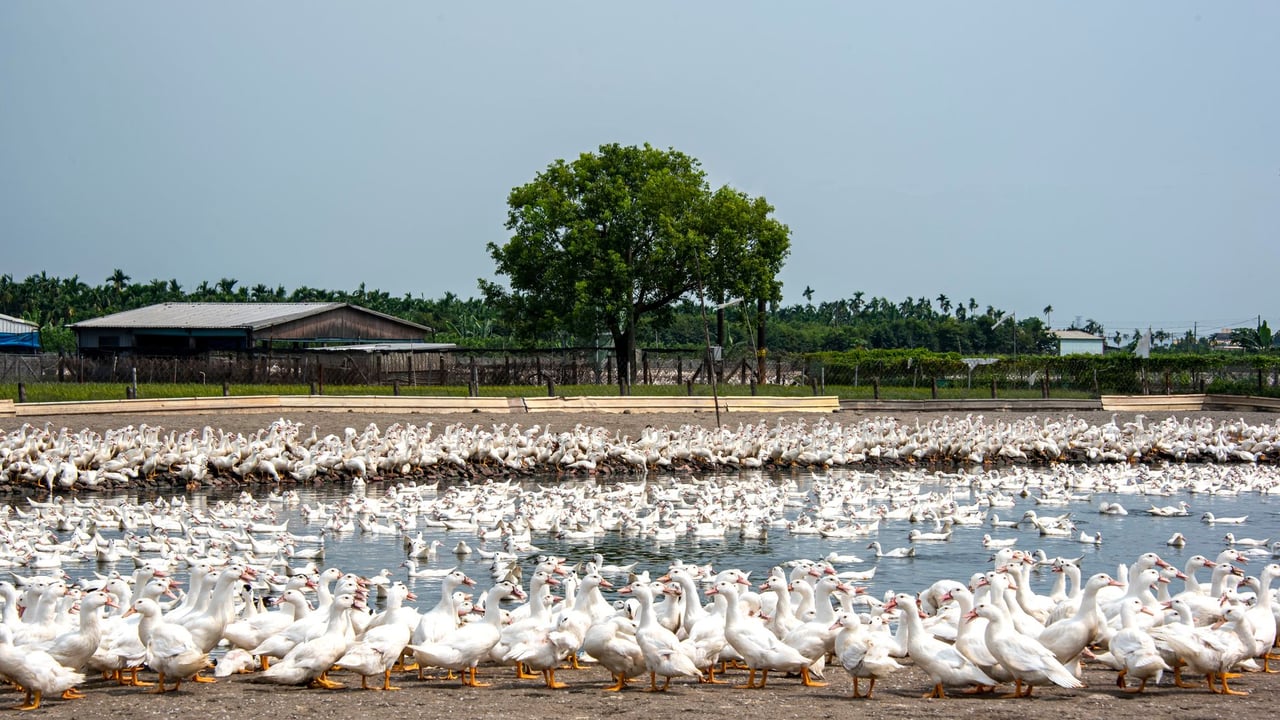
The rise of Huoqiu as the "Foie Gras Capital" began in 2003 when local farmers introduced purebred Landes geese from southwest France. While French producers often emphasize artisanal heritage and slow-growth traditions, Huoqiu has applied China’s signature industrial scale. Today, the county hosts over 140 processing enterprises, with top-tier firms producing 300 tons annually—dwarfing the 10-ton output typical of larger French traditionalists.
This industrialization has led to a dramatic collapse in price, effectively commoditizing what was once a luxury reserved for Michelin-starred dining. In France, a thin slice of foie gras can command €150 in a high-end restaurant; in China, the same product is increasingly found in hotpots, as barbecue skewers, or even as a filling for street-style meat buns. By reducing costs through supply chain efficiency, China has transitioned the product from a status symbol to a mass-market ingredient.
While 95% of Chinese production is currently consumed domestically, the potential for export looms large over European markets. France has spent a millennium building the narrative of foie gras as an irreplaceable cultural heritage, yet China has required only two decades to master its production. This shift highlights a recurring theme in global trade: the vulnerability of premium traditional goods when faced with China’s relentless manufacturing and agricultural scaling.