
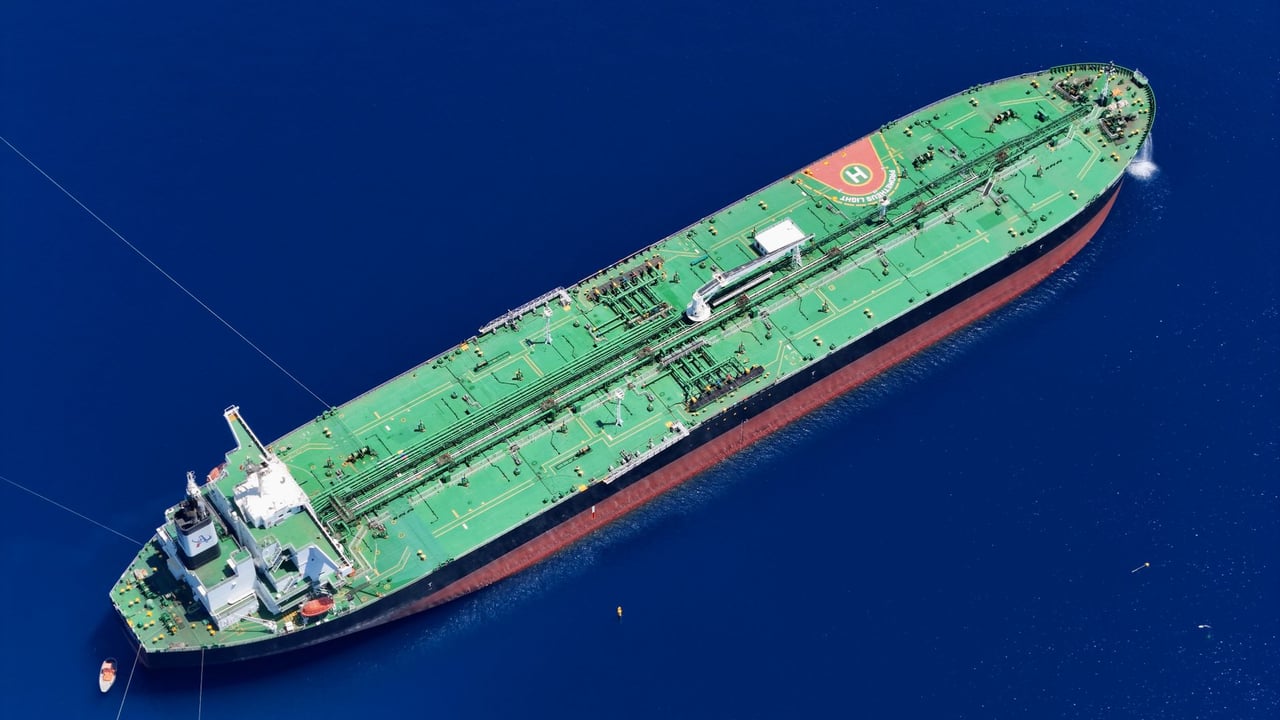

The reopening of the Strait of Hormuz has triggered a seismic shift in global energy markets, ending months of scarcity with a sudden, overwhelming deluge of crude. Brent crude, the international benchmark, tumbled below $75 per barrel this week, marking its lowest level since the outbreak of hostilities involving Iran. The market, which only months ago was defined by panic and historical price peaks, is now grappling with a rapid transition toward a significant supply glut.
This price collapse is being fueled by a massive release of pent-up supply from the Persian Gulf. Even before formal agreements were finalized, "dark ship" operations from the UAE and Kuwait had begun trickling oil back into the system; now, those trickles have become a flood. The International Energy Agency estimates that UAE exports returned to nearly 85% of pre-war levels by early June, while Iran reportedly offloaded 30 million barrels to Asian buyers ahead of its formal licensing window.
The physical surplus is so pronounced that the market structure has flipped into a classic contango, where current spot prices are cheaper than future delivery. This signal of oversupply is most evident in the steep discounts being offered on Angolan and Middle Eastern grades, with some cargoes selling at their widest discounts to Brent in over a decade. Refineries in Asia are reportedly saturated through August, forcing Middle Eastern producers to aggressively seek new outlets in Europe and Africa.
Amidst this logistical chaos, a new geopolitical flashpoint has emerged regarding the long-term management of the Strait. US President Donald Trump has issued a definitive warning against any attempts to monetize the waterway, stating that the inclusion of shipping fees or maritime insurance costs in a final US-Iran deal is "unacceptable." This comes as Tehran and Oman begin discussions on a future management framework that critics fear is a thinly veiled attempt to turn a global public good into a revenue stream.
For Washington, the stakes extend beyond global price stability to domestic energy security. US crude inventories, including the Strategic Petroleum Reserve, are currently languishing at their lowest levels since 1984. While the current global surplus provides a temporary reprieve from high pump prices, the depletion of domestic buffers leaves the US economy uniquely sensitive to any future disruptions in the newly reopened but still politically fragile Hormuz corridor.