

At the fourth China International Supply Chain Expo, a striking visual at the SK Hynix pavilion captured the current paradox of global trade. Rather than highlighting its own proprietary semiconductor chips, the South Korean giant—this year’s top performer in the global chip stock index—dedicated the most prominent sections of its booth to eight Chinese suppliers. These partners specialize in everything from high-purity electronic gases to precision component cleaning, signaling that even in a sector defined by geopolitical tension, the links between global tech leaders and Chinese manufacturers are deepening rather than severing.
While political rhetoric in Washington and Brussels often emphasizes 'de-risking' and 'decoupling,' the commercial reality on the ground is far more pragmatic. SK Hynix has spent years embedding itself in the Chinese industrial landscape, with its Wuxi facility alone accounting for nearly 40% of the company’s global DRAM production. This level of exposure has transformed the relationship from a simple buyer-vendor arrangement into a symbiotic ecosystem where the South Korean firm now takes equity stakes in its most critical Chinese partners to ensure long-term stability.
Jiangsu Cavitus, a precision cleaning firm founded only seven years ago, exemplifies this shift. By specializing in the refurbishment of expensive wafer-fabrication components, Cavitus allows chipmakers to drastically reduce operating costs through circular utilization. SK Hynix (Wuxi) Investment Co. recently acquired a 33% stake in the firm, moving from being a mere customer to a major shareholder. This move provides the 'hardcore' endorsement necessary for Chinese startups to climb the global value chain and participate in advanced process iterations.
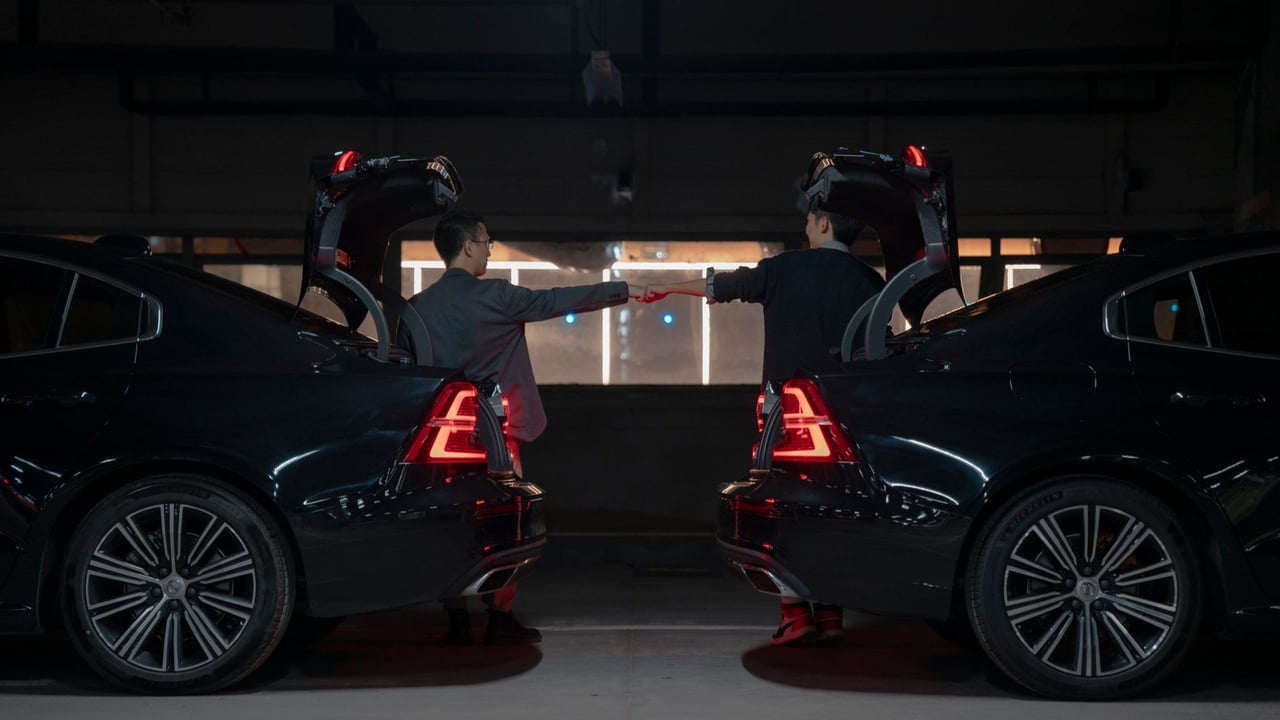
The automotive sector tells a similar story of 'co-creation' over simple assembly. Since its acquisition by Geely in 2010, Volvo has transformed its Chinese footprint from a near-zero presence to a massive network of 1,700 local suppliers. Today, Volvo’s CEO Hakan Samuelsson intends to significantly increase the proportion of Chinese sourcing by 2030 to drive efficiency and revenue. China is no longer just Volvo’s largest single market; it is the hub from which the brand exports luxury models like the S60 and XC60 to mature markets in Europe and North America.
This evolution represents a fundamental shift in China’s industrial identity. The competitive advantage has moved beyond low-cost labor to what industry analysts call 'systemic agility'—the ability to iterate technology at a speed that traditional Western supply chains often struggle to match. However, a significant hurdle remains: the gap between market volume and rule-making power. While China leads in New Energy Vehicle (NEV) adoption and battery safety, global industry standards are still largely dictated by overseas institutions, leaving Chinese firms in the position of being industrial giants but regulatory participants.