
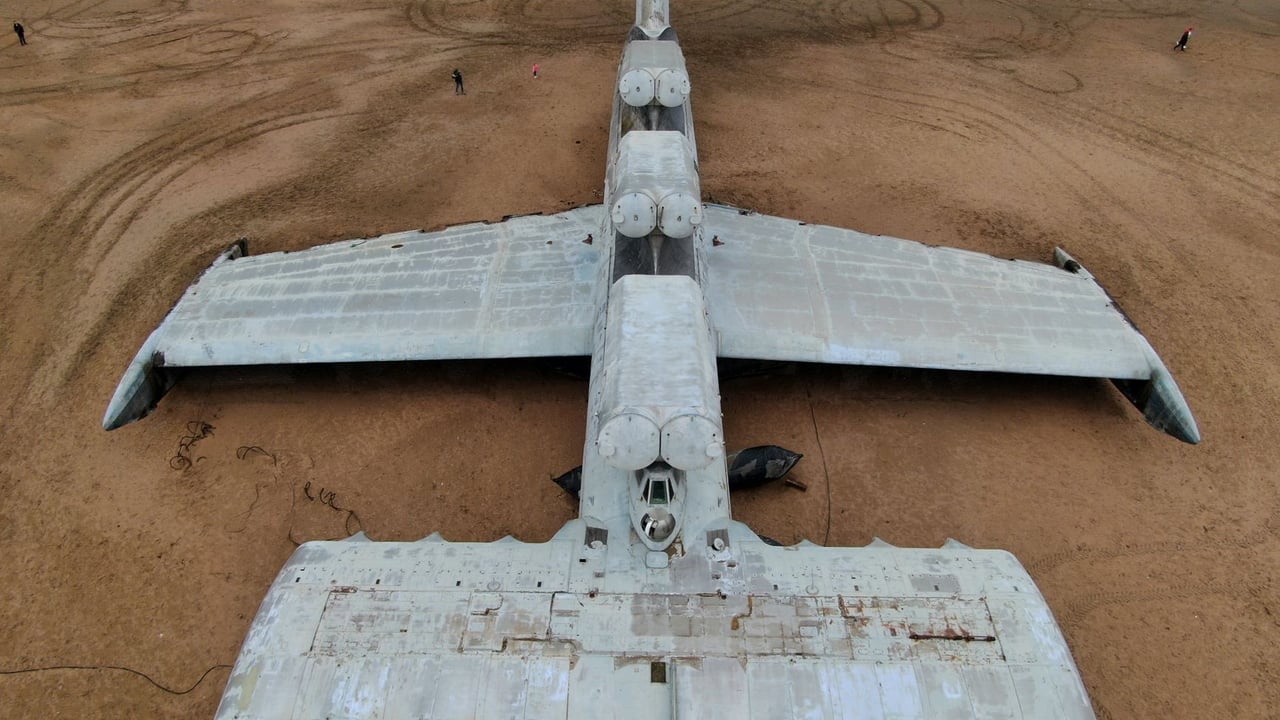

On the serene waters of Suzhou’s Lake Taihu, a sleek, four-meter-wide white craft recently completed a flight that could redefine coastal transport. The NAVEE WaveFly 5X, developed by Tantu Technology, is neither a traditional boat nor a standard aircraft. Instead, it is a ground-effect vehicle (GEV) that glides just centimeters above the water, leveraging a cushion of high-pressure air to bypass surface resistance and aviation red tape alike.
Led by Lu Jian, a Tsinghua-trained engineer, Tantu Technology is betting that the future of the 'low-altitude economy' lies not in the crowded skies of urban centers, but on the water’s surface. Unlike electric vertical take-off and landing (eVTOL) aircraft that face grueling airworthiness certifications, the WaveFly 5X is classified as a 'Class A' maritime vessel under international standards. This strategic classification allows the company to bypass the need for pilot licenses and traditional runways, significantly lowering the barrier to entry for commercial use.
The logic behind this pivot is as much about regulatory arbitrage as it is about physics. While competitors like EHang and Volant spend billions navigating the rigid certification paths of civil aviation authorities, Tantu is targeting a 'blue ocean' of coastal tourism and island-to-island transit. By operating within the maritime framework, the company expects a shorter commercialization cycle and drastically reduced infrastructure costs compared to urban air mobility projects.
Tantu’s leap into the skies is an evolution of its roots in electric micro-mobility. The company, which initially specialized in high-end electric scooters, is leveraging its expertise in high-speed motors and battery management systems to power its new fleet. Lu Jian argues that the transition is a natural progression of 'one-time development, multiple applications,' utilizing existing supply chains to penetrate the untapped niche of high-speed water transit.
However, the transition from a 'geek toy' for the wealthy to a mass-market transport solution remains a formidable challenge. Tantu expects the 2026-2027 period to serve as a critical validation phase, with broader consumer adoption unlikely until after 2028. Success will depend on the company’s ability to prove long-term safety records and build out a robust B2B ecosystem for coastal resorts and regional transport operators.
Despite securing over 100 intent orders, the path forward is filled with variables. The industry still lacks standardized infrastructure for high-speed ground-effect craft, and consumer trust in 'flying boats' must be built from scratch. For now, Tantu is focused on proving that its hybrid approach is the most viable shortcut to making the low-altitude economy a profitable reality.