Fragile Unity: Iraq Quells Exit Rumors as Quota Tensions Simmer Within OPEC

Iraq's Ministry of Oil has officially denied reports that the country is considering leaving OPEC, reaffirming its commitment to the cartel. However, Baghdad continues to push for a reassessment of production quotas that better reflects its national production capacity and economic requirements.

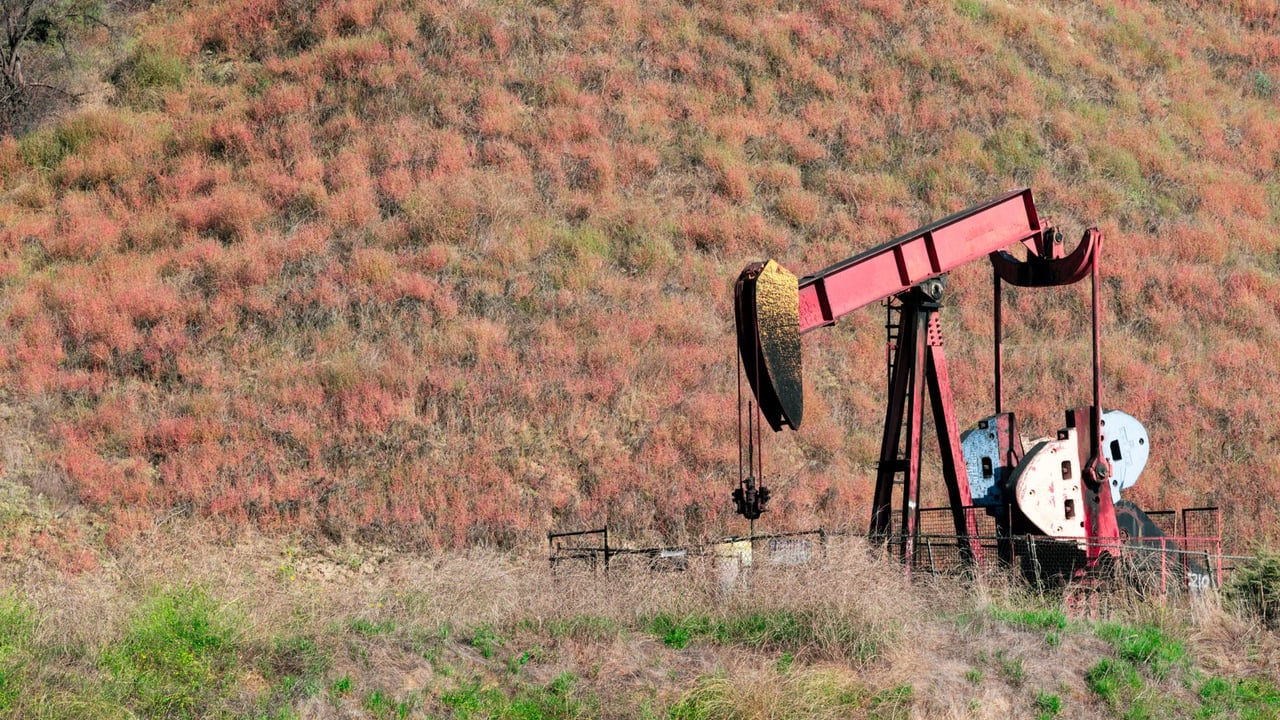
Industrial oil pumpjack in a rural field with colorful vegetation.

Key Takeaways

  • 1The Iraqi Ministry of Oil issued a formal statement denying any official plans to withdraw from OPEC.
  • 2Baghdad is advocating for a quota reassessment based on 'sustainable production capacity' rather than historical benchmarks.
  • 3Iraq's economy remains heavily dependent on oil exports, creating domestic pressure to increase production despite cartel limits.
  • 4The ministry expects its production ceiling to rise as OPEC+ gradually phases out voluntary production cuts in the coming months.
  • 5Internal disputes will be managed through existing technical and consultative mechanisms within the OPEC+ framework.

Editor's
Desk

Strategic Analysis

The strategic subtext of Iraq's denial is a masterclass in 'soft brinkmanship' common among OPEC’s high-capacity producers. By allowing rumors of an exit to circulate before officially quashing them, Iraq effectively signals its deep dissatisfaction to Riyadh and other members without triggering an immediate market collapse. Iraq’s dilemma is systemic: it needs higher volumes to satisfy a growing population and aging infrastructure, yet it cannot afford the price war that would likely follow a departure from the cartel. This episode suggests that while an 'Ireqxit' is not imminent, the structural integrity of OPEC+ will be increasingly tested by members who feel their growth is being sacrificed to maintain prices favored by larger, more diversified economies.

China Daily Brief Editorial
Strategic Insight
China Daily Brief

Baghdad has moved swiftly to extinguish a nascent firestorm within the world’s most influential oil cartel. The Iraqi Ministry of Oil issued a firm rebuttal to reports suggesting the country was contemplating a departure from the Organization of the Petroleum Exporting Countries (OPEC). Officials characterized the rumors as unrepresentative of the state's official stance, emphasizing that neither the Prime Minister nor the cabinet has formally debated such a radical shift in energy policy.

The denial follows a period of mounting frustration in Baghdad over production limits that the government views as increasingly restrictive. While the Ministry of Oil has reaffirmed its commitment to the group, it pointedly noted that production quotas should be reassessed to reflect the actual sustainable capacity of its members. This call for a technical audit of production limits highlights the long-standing friction between Iraq’s need for oil revenue and OPEC’s mission to maintain global price floors.

Iraq remains the second-largest producer within OPEC, and its economic stability is almost entirely contingent on the export of crude. The government is currently navigating a delicate fiscal tightrope, attempting to fund massive infrastructure projects and public sector wages while adhering to the collective discipline of the OPEC+ alliance. The recent "leak" regarding a potential exit, whether intentional or not, serves as a poignant reminder of the domestic political pressure weighing on Iraqi negotiators.

Looking ahead, the Ministry expects a gradual easing of tensions as OPEC+ begins the process of rolling back voluntary production cuts. Baghdad is betting that the upcoming months will provide the necessary breathing room to increase its output within the established framework. By emphasizing technical mechanisms over political ultimatums, Iraq is signaling its preference for reform from within rather than a disruptive and potentially self-defeating exit from the global stage.

Share Article

Related Articles

📰
No related articles found