
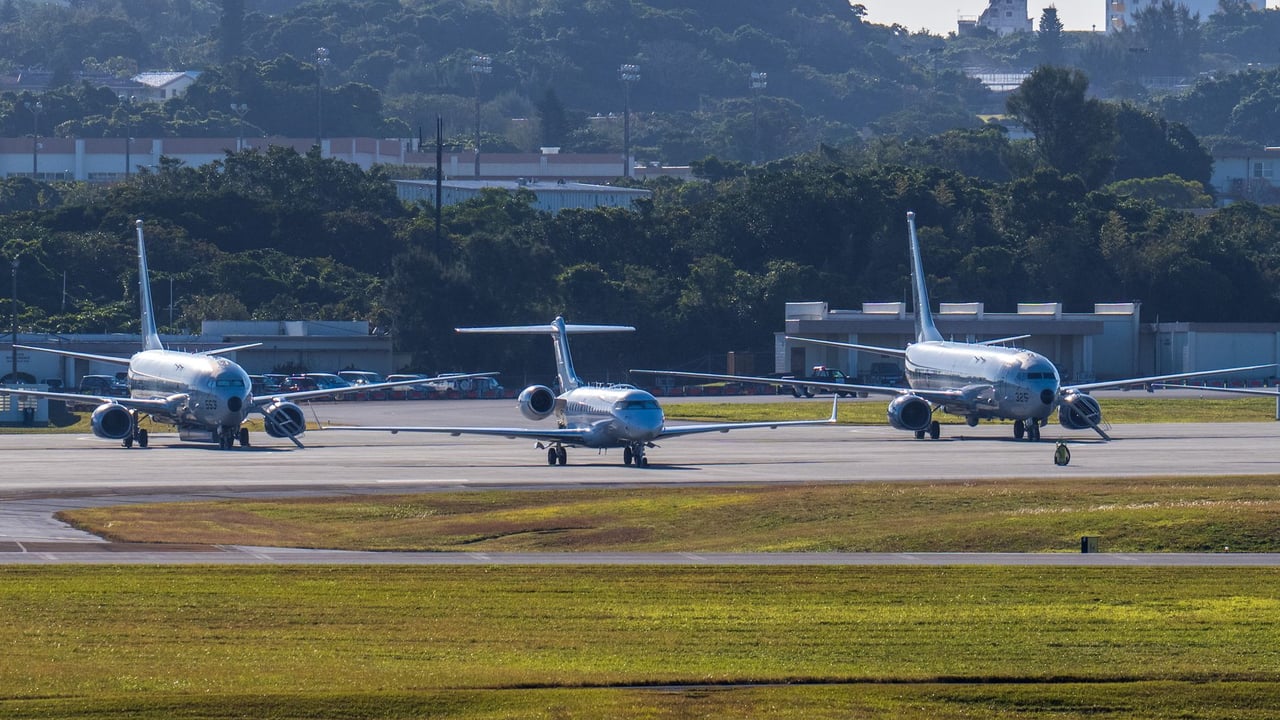

In late June 2026, the Asia-Pacific maritime landscape witnessed an unprecedented synchronization of military might. Three major exercises—'Resolute Dragon,' 'Valiant Shield,' and the biennial 'RIMPAC'—overlapped in both timing and strategic scope. This convergence signals a departure from routine training toward a high-intensity, multi-layered blockade architecture centered on the First Island Chain.
Japan’s role in these maneuvers has evolved from a secondary supporter to a frontline protagonist. In the latest iteration of RIMPAC, Japan assumed the critical role of Deputy Commander of the Combined Task Force, marking a significant elevation in its regional command authority. This shift reflects a coordinated effort by the U.S. and Japan to integrate Tokyo as the primary operational hub for Pacific security.
Beneath the surface of these naval drills lies a profound transformation of Japan’s domestic legal framework. For decades, Article 9 of the 'Peace Constitution' served as a regional breakwater, prohibiting the maintenance of war potential. However, with the Liberal Democratic Party and its allies now controlling a two-thirds majority in the House of Representatives, the legal threshold for constitutional revision has finally been met.
Analysts suggest this 'neo-militarism' is driven by a dual-track agenda. While Washington seeks to outsource the logistical and financial burdens of its Indo-Pacific strategy, Tokyo is leveraging this alliance to bypass historical constraints on offensive weaponry. The deployment of 'Typhon' missile systems and the testing of long-range strike capabilities represent a definitive move toward sovereign 'war-making' legitimacy.
This rapid rearmament has reignited anxieties across East Asia, where memories of 20th-century expansionism remain vivid. The transition from 'Islands Defense' to 'Maritime Blockade' suggests that Japan is no longer content with a reactive posture. By dismantling its post-war pacifist barriers, Tokyo is fundamentally altering the security equilibrium of the Western Pacific.