
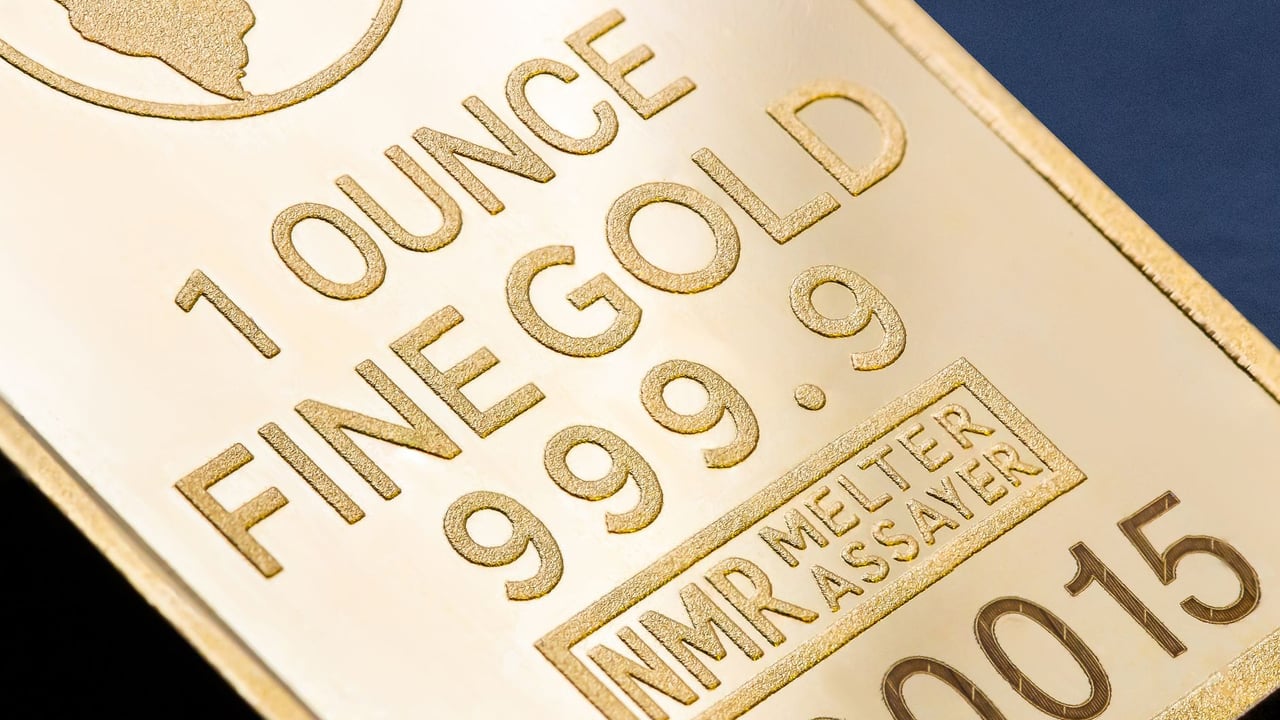

Gold's status as the ultimate safe-haven asset is facing a severe stress test as prices undergo a dramatic spiral decline. London spot gold recently breached the $4,000 per ounce mark, a precipitous fall from its historic peak of $5,600 earlier this year. This nearly 30% retreat has sent shockwaves through Asian markets, particularly hitting Hong Kong-listed miners which are highly sensitive to bullion price volatility.
The carnage was most visible in the Hong Kong equity market, where industry leaders like Zhaojin Mining and China Gold International saw their shares plummet by more than 9% in a single session. Other major players, including Lingbao Gold, fell by over 7% as investor sentiment shifted from cautious optimism to outright capitulation. This sell-off reflects a broader realization that the structural pillars supporting record-high gold prices are beginning to crumble under new macroeconomic realities.
Market analysts point to a triple threat of negative catalysts driving this volatility. First, a wave of target price downgrades from Wall Street heavyweights has dampened long-term expectations; Deutsche Bank recently slashed its Q4 forecast by 17%, while Goldman Sachs lowered its long-term outlook by $500. Second, the stubborn persistence of inflation has forced the Federal Reserve to reconsider its easing cycle, with a potential interest rate hike as early as September now being priced into the market.
Perhaps most significant is the seismic shift in capital allocation toward the burgeoning artificial intelligence sector. Recent fund manager surveys reveal that "long gold" positions have fallen from the most crowded trade to a distant fourth place, while global semiconductors now dominate the majority of institutional interest. As the AI narrative matures and provides clearer growth trajectories, the opportunity cost of holding non-yielding gold has become too high for many managers to ignore.
From a technical perspective, the breach of key support levels at $4,500 and $4,200 triggered a cascade of stop-loss orders. This forced liquidation by trend-following funds has created a self-reinforcing downward loop, characteristic of a spiral decline. With the U.S. Dollar Index reaching new yearly highs, the traditional inverse relationship between the greenback and bullion has returned with a vengeance, further squeezing those who bet on a perpetual rally.