Eyes Beneath the Surf: Manila Bolsters South China Sea Presence with US Unmanned Tech

The United States has delivered four Ocean Aero Triton autonomous underwater and surface vehicles to the Philippine military to enhance its maritime surveillance. These advanced drones provide critical data collection capabilities, helping Manila monitor contested waters in the South China Sea with greater precision and lower risk.

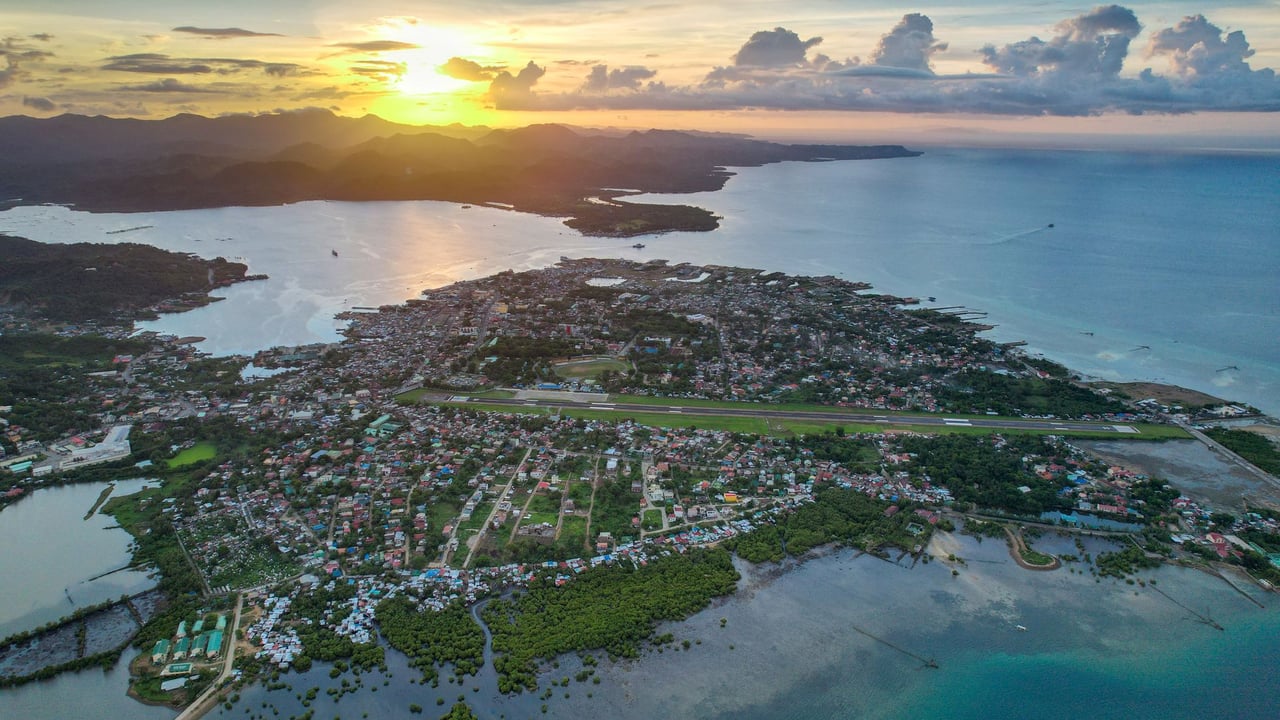
Scenic aerial panorama of Masbate City, Philippines during a vibrant sunset with ocean and landscape views.

Key Takeaways

  • 1U.S. Embassy in Manila confirmed the delivery of four Triton autonomous vessels to the Philippine military.
  • 2The Triton vessels are hybrid systems capable of operating both on the surface and underwater for extended periods.
  • 3These assets focus on data collection to enhance tactical and operational maritime domain awareness.
  • 4The move signifies a deepening of U.S.-Philippine defense ties and a shift toward high-tech maritime monitoring.
  • 5The drones allow for persistent surveillance of disputed maritime territories with reduced risk to personnel.

Editor's
Desk

Strategic Analysis

The deployment of Triton AUSVs is a strategic game-changer for the Philippines, which has historically struggled with a 'blind' maritime domain due to limited hardware. These systems are specifically designed for long-endurance missions, making them ideal for monitoring the 'gray zone' tactics often employed by Chinese maritime militias. Beyond simple surveillance, this move integrates Manila more tightly into the U.S.-led regional security architecture, as the data collected by these drones can likely be shared to create a common operating picture among allies. In the long term, this suggests that the future of South China Sea frictions will be increasingly defined by a battle of sensors and autonomous persistence rather than just traditional naval tonnage.

China Daily Brief Editorial
Strategic Insight
China Daily Brief

The delivery of four 'Triton' autonomous maritime vessels from the United States to the Philippines marks a significant technological leap for Manila’s defense capabilities. These dual-mode drones, manufactured by California-based Ocean Aero, are capable of operating both as surface vessels and as submerged units, providing a versatile platform for persistent surveillance in the volatile South China Sea.

By integrating these autonomous systems, the Armed Forces of the Philippines (AFP) gain a sophisticated tool for maritime domain awareness that minimizes the risk to human personnel. The Triton vessels are designed to collect high-fidelity data both above and below the waterline, feeding tactical intelligence directly into the Filipino command structure to sharpen operational decision-making.

This transfer comes at a pivotal moment as Manila pivots its defense posture toward external security and territorial integrity. The acquisition signals a shift away from traditional, crewed patrol missions toward high-tech, 'gray zone' monitoring strategies, allowing the Philippines to maintain a constant vigil over disputed features like the Second Thomas Shoal with a reduced physical footprint.

For Washington, the provision of these unmanned systems is a clear manifestation of its commitment to the 1951 Mutual Defense Treaty. By equipping its oldest treaty ally in Asia with advanced ISR (Intelligence, Surveillance, and Reconnaissance) assets, the U.S. is effectively building a more resilient and tech-integrated network of partners capable of monitoring and documenting assertive maritime activities in real-time.

Share Article

Related Articles

📰
No related articles found