
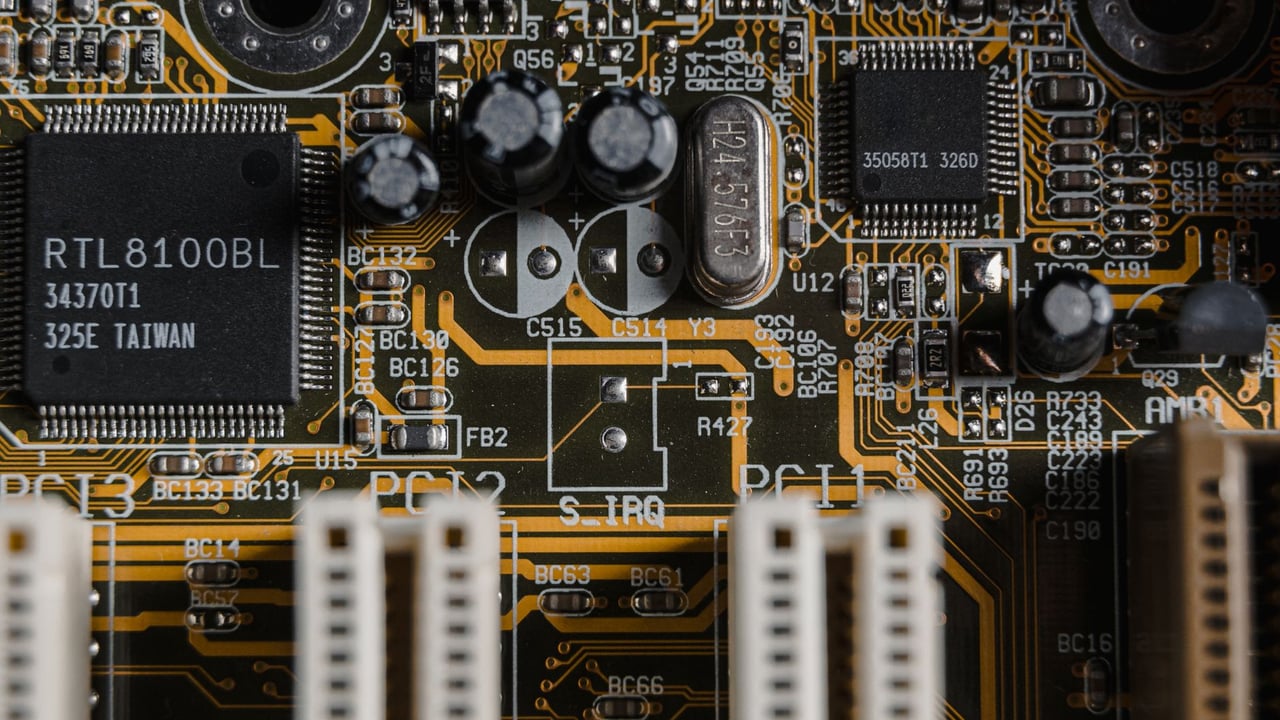

The opening bell on June 26, 2026, signaled a cautious retreat for Chinese equities as the three major indices opened significantly lower. The tech-heavy ChiNext led the decline with a 1.20% drop, while the Shanghai and Shenzhen indices slipped by 0.52% and 0.81% respectively. This early-morning sell-off was particularly pronounced in specialized manufacturing sectors, including lab-grown diamonds and Multi-Layer Ceramic Capacitors (MLCC), reflecting a broader sensitivity to global supply chain adjustments.
Market observers note that the current environment is characterized by a "stock-game" dynamic, where a lack of fresh capital forces rapid rotation among existing sectors. Industrial Securities Asset Management suggests that while the long-term trajectory for AI remains robust, short-term macroeconomic and geopolitical uncertainties are driving high-level volatility. This fragmentation is increasingly evident as investors struggle to find footing amidst a cooling global tech rally and renewed regional tensions.
Strategic positioning is now shifting from aggressive growth to defensive stability. Analysts from Caitong Securities are advising a return to "dividend-heavy" strategies, particularly as economic pressures persist and long-term interest rates face downward pressure. This trend is being bolstered by large-scale insurance providers who are recalibrating their portfolios toward high-dividend state-owned enterprises to mitigate the volatility experienced in growth stocks over previous quarters.
The broader context remains challenging, with external factors weighing heavily on domestic sentiment. A sharp downturn in U.S. semiconductor stocks—evidenced by double-digit drops in firms like Micron and ARM—has created a contagion effect across East Asian markets, with Japanese and South Korean indices both falling over 3%. As geopolitical risks intensify, particularly regarding trade frictions and supply chain security, the A-share market appears to be entering a period of consolidation where capital preservation takes precedence over speculative gain.