

On June 25, the Chinese A-share market witnessed a rare and telling alignment. In a session characterized by intense polarization, the technology sector—specifically the semiconductor supply chain—surged in tandem with brokerage firms, often referred to in domestic circles as the ‘bull market flags.’ While the benchmark indices closed in the green, with the ChiNext leading at a 2.84% gain, the rally’s narrow breadth revealed a market under significant structural pressure. Over 4,200 stocks ended the day lower, signaling that liquidity is no longer lifting all boats but is instead huddling into a few high-conviction thematic fortresses.
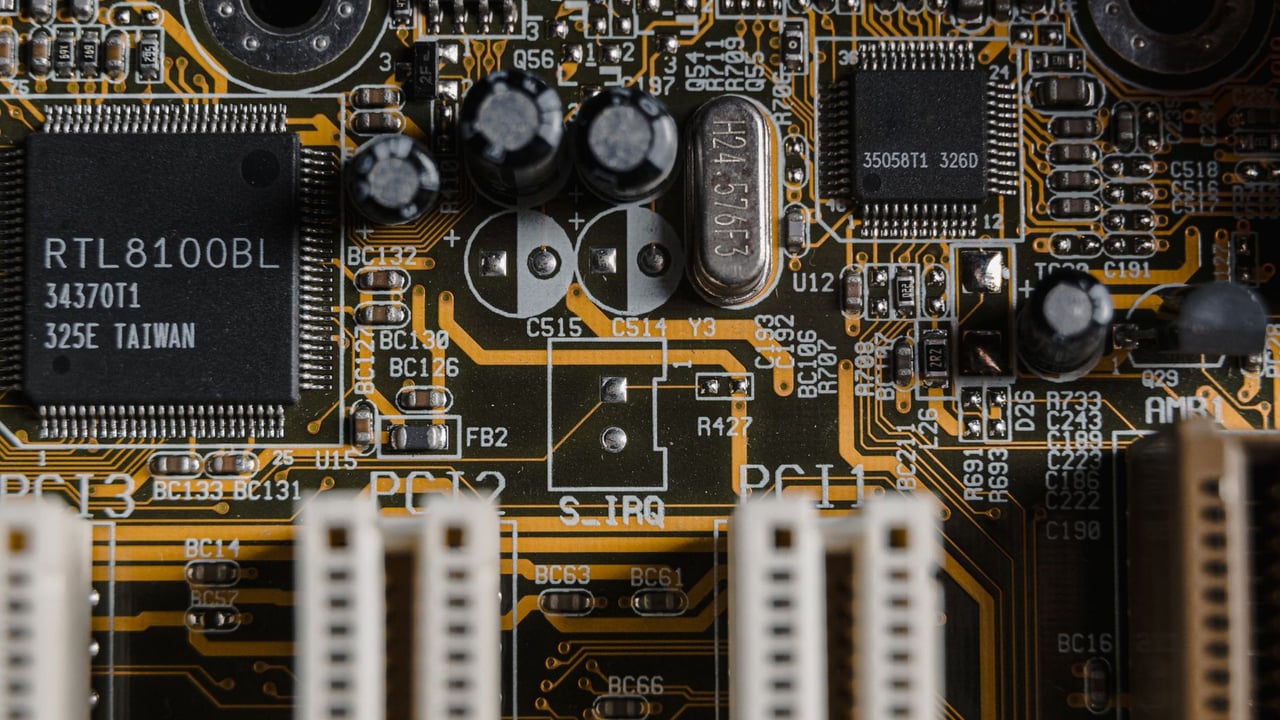
The semiconductor rally was largely an echo of global momentum. Strong earnings from the U.S.-based Micron Technology and subsequent gains by South Korean giants Samsung and SK Hynix provided a bullish backdrop for domestic memory chip and advanced packaging players. This global ‘AI trade’ has found a fertile, if volatile, home in China, where investors are increasingly looking beyond simple hardware to upstream niches like liquid cooling, glass substrates, and high-performance PCBs. These sectors are viewed as the ‘spear’ of the current market, representing the only areas where growth is tangible enough to justify aggressive positioning.
Simultaneously, the sudden strength in brokerages represents a defensive ‘shield’ strategy. Following the recent Lujiazui Forum, policy signals have shifted toward supporting high-quality mergers and acquisitions and deepening capital market reforms. Analysts from firms like CITIC Securities and Guolian Securities suggest that the brokerage sector is currently suffering from a valuation-performance mismatch. With trading volumes finally beginning to expand, institutional money is rotating into these low-valuation financial plays as a hedge against the volatility seen in the broader, more fragile economy.
This bifurcated market behavior highlights a transition toward ‘earnings-driven’ narratives as the quarterly reporting season approaches. The current focus is on what institutional investors call ‘clear-card’ options—sectors like HBM (High Bandwidth Memory) and AI-related hardware where the growth logic is hardest to dispute. However, the sheer volume of declining stocks suggests a ‘K-shaped’ sentiment. While the top-tier technology and financial heavyweights carry the index, the vast majority of small-to-mid-cap companies remain starved of capital, reflecting a broader caution regarding China's domestic consumption and traditional industrial recovery.