
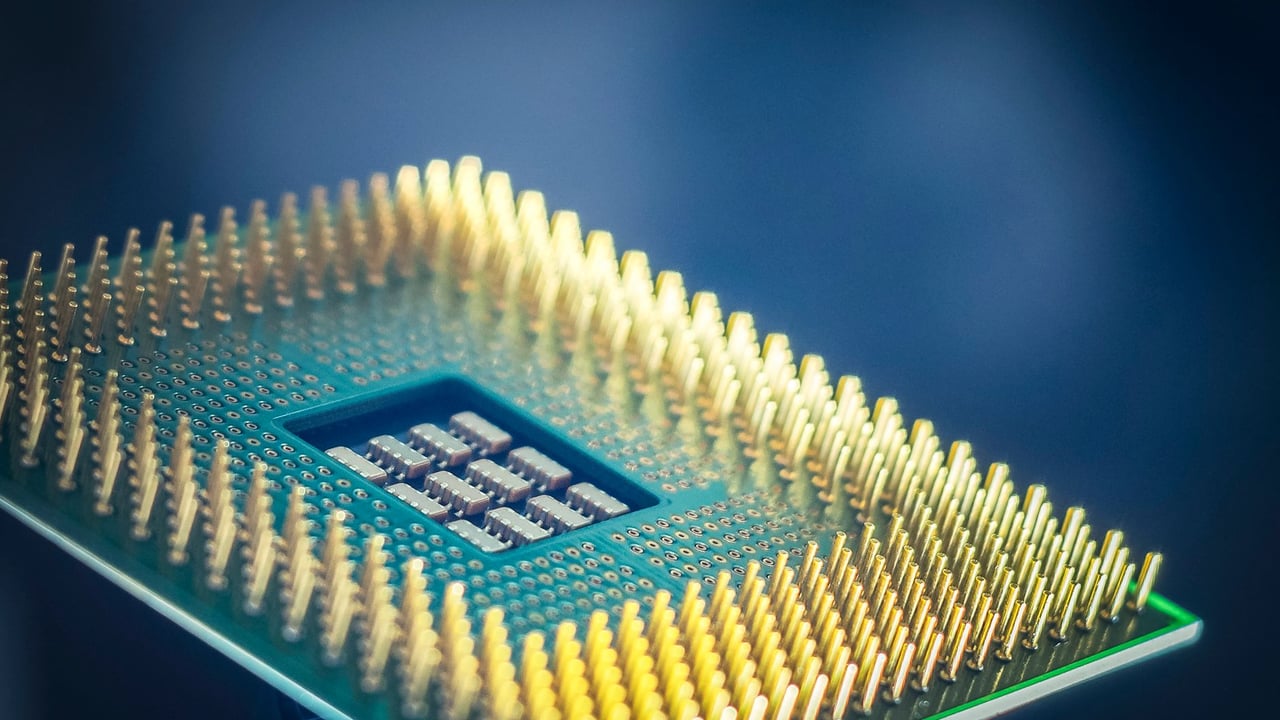

South Korea’s financial landscape has undergone a tectonic shift, with the benchmark KOSPI index shattering records to breach the 9,000-point threshold in mid-2026. This meteoric rise, fueled by an insatiable global appetite for artificial intelligence hardware, has transformed Seoul into the world’s most explosive equity market. Leading the charge are semiconductor titans SK Hynix and Samsung Electronics, which have seen their valuations soar as they cement their indispensable roles in the global AI supply chain.
This rally is not merely a corporate success story but a profound social phenomenon driven by a massive influx of retail capital. Disillusioned by stagnant bank interest rates hovering between 3% and 4%, millions of South Koreans—ranging from young professionals to retirees—are liquidating traditional savings to chase stratospheric equity returns. The narrative of a 63-year-old caregiver moving one billion won into the market epitomizes a nationwide anxiety: the fear of being left behind by the current technological epoch.
Perhaps the most striking indicator of this mania is the demographic broadening of the investor base. Brokerages have reported a tenfold increase in new accounts for minors, as parents increasingly view equity portfolios as a more viable long-term wealth management tool than traditional cash. With the total number of active trading accounts now exceeding 100 million in a nation of 51 million people, the 'Ant' investor has evolved from a secondary player into the dominant force in the market.
Global financial institutions are largely leaning into this exuberance rather than cautioning against it. Analysts at JPMorgan have significantly revised their targets upward, suggesting that the integration of AI into global macro-level productivity is only in its nascent stages. While the risks of a retail-driven bubble remain a perennial concern, the current synergy between robust fundamental earnings in the tech sector and a highly motivated domestic populace suggests that Korea’s bull run may have further to go.