
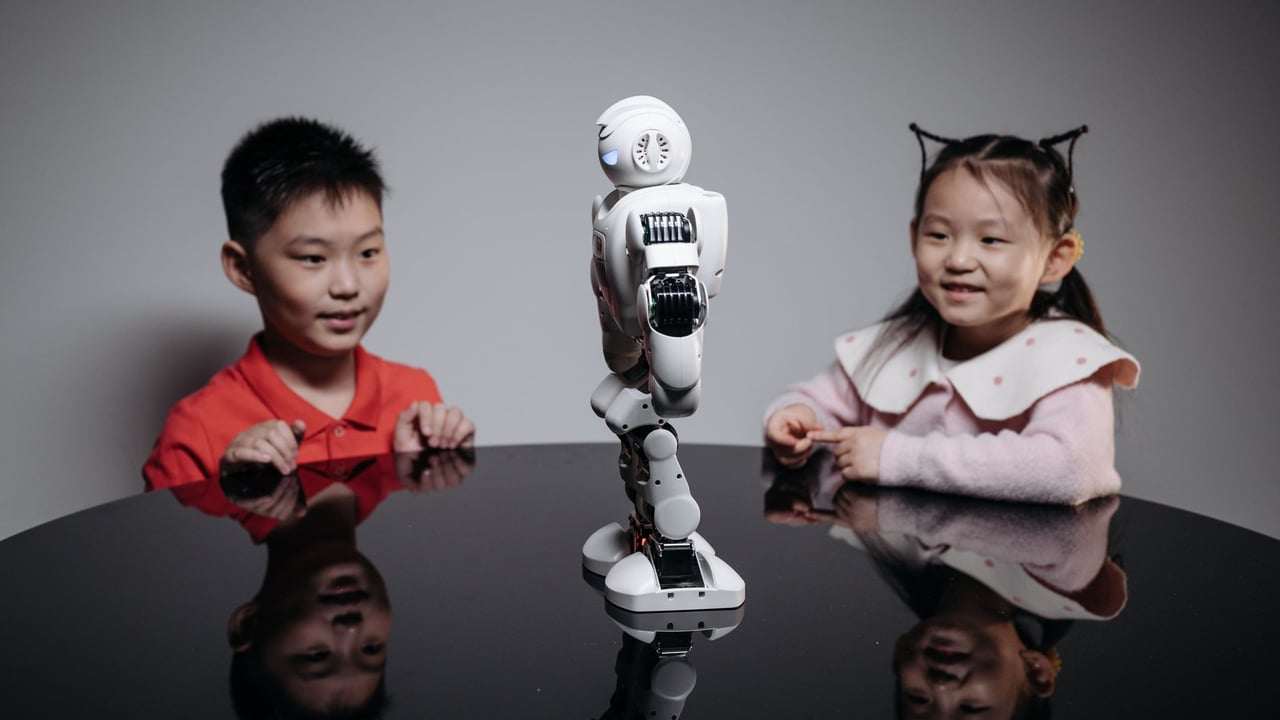

He Xiaopeng, the founder and CEO of Chinese electric vehicle maker XPeng, has signaled a dramatic shift in company priorities by taking personal command of the firm's burgeoning robotics division. Following a structural overhaul on June 26, the company established nine new departments within its robotics center, with He himself serving as the head of the product department. This move follows his recent appointment as CEO of the robotics unit, placing him at the helm of both the automotive and physical AI arms of the group.
The reorganization comes at a critical juncture for the Guangzhou-based automaker, which is grappling with a cooling electric vehicle market. In the first quarter of 2026, XPeng reported a staggering 33.3% year-on-year decline in vehicle deliveries and a net loss that widened nearly threefold to 1.78 billion yuan. By embedding himself in the robotics unit, He Xiaopeng is attempting to steer the company away from being a pure-play EV manufacturer toward becoming a leader in what he terms "Physical AI."
This pivot is not without its personnel challenges, notably marked by the departure of Shi Xiaoxin, the senior director of robotics product planning. Shi was instrumental in building XPeng's humanoid architecture from scratch over a tenure of more than 1,600 days. Despite this high-level exit, XPeng maintains that the development of "IRON," its next-generation humanoid robot, remains on track for mass production by late 2026, with initial retail-ready units targeting tour and sales roles by the end of this year.
XPeng's entry into the robotics race is part of a broader trend among global automakers, including Tesla, Xiaomi, and BYD, who view humanoid machines as the next frontier of intelligent terminals. The company intends to leverage its existing EV supply chain, manufacturing expertise, and global distribution networks to scale robotics production. He Xiaopeng believes that the convergence of automotive software and physical robotics is not just a business upgrade, but a necessary evolution to survive the maturing automotive landscape.