
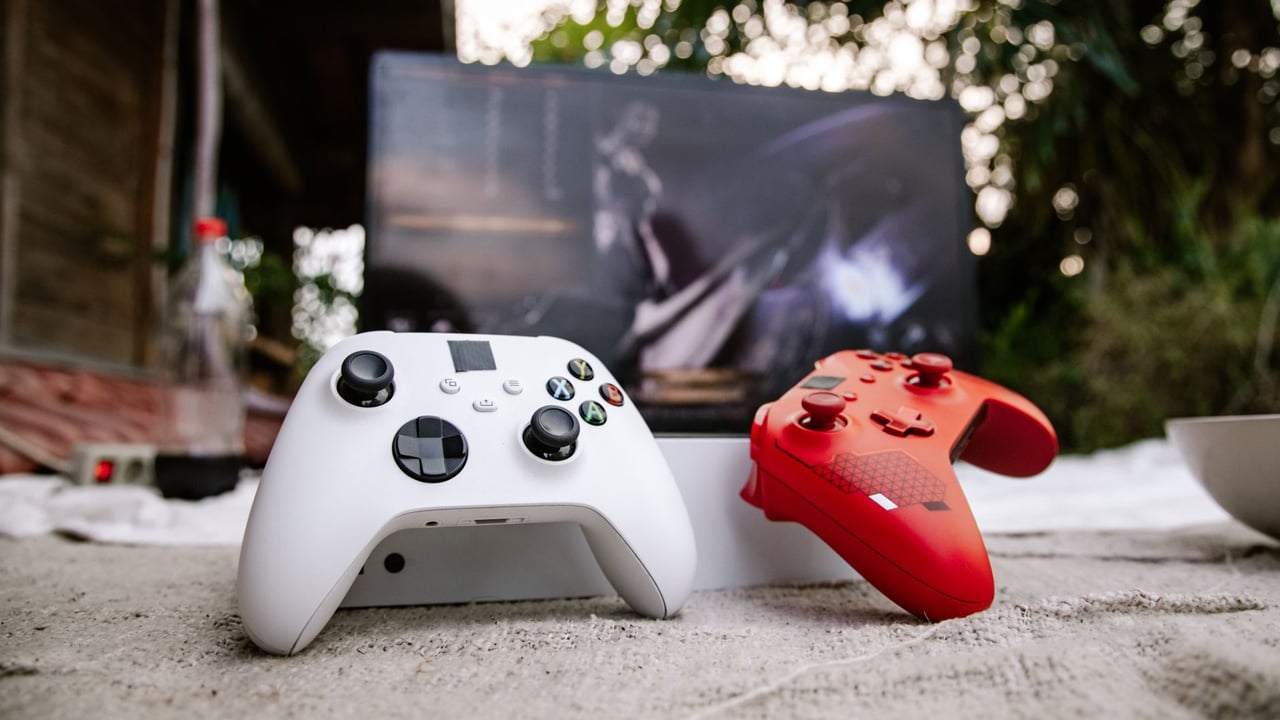

Microsoft has announced a second significant price hike for its Xbox console lineup in less than a year, signaling a fundamental shift in the economics of the gaming industry. Starting August 1, the tech giant will raise prices for the 512GB and 1TB Xbox models by $100 and $150 respectively, while simultaneously discontinuing the 2TB version. This move elevates the flagship Xbox Series X (1TB) from its current $599.90 to a staggering $750, a price point once considered unthinkable for a mainstream home console.
The driver behind this aggressive repricing is a volatile global memory market. According to internal Xbox communiques, the cost of storage and memory components has surged more than 2.5 times recently, with projections suggesting prices could quintuple by late 2027. While other consumer electronics like smartphones can pass costs onto consumers through annual refresh cycles, game consoles have traditionally operated on a 'loss-leader' model—sold below cost to hook users into long-term software and service ecosystems.
This subsidy-driven strategy is now hitting a fiscal wall. Microsoft’s gaming division recently reported a $380 million revenue decline, driven largely by a 33% collapse in hardware sales. The hardware 'crisis' is being exacerbated by a divergence in the supply chain: while console manufacturers struggle, their suppliers are thriving. Micron Technology, a key storage provider, recently reported a 346% surge in revenue, with gross margins ballooning to nearly 85% as they capitalize on the broader AI-driven demand for high-performance memory.
Faced with these headwinds, Microsoft is forced to rethink its hardware stack. Leadership has indicated that the company is currently 'rebuilding' its technical architecture and eyeing potential mergers and acquisitions to shore up its position. As the industry prepares for the 2027 holiday cycle, the focus is shifting away from pure hardware dominance toward a platform-agnostic future where PC, mobile, and cloud streaming mitigate the risks of a precarious physical supply chain.