Avian Hazard: President Herzog’s Helicopter Forced into Emergency Landing

Israeli President Isaac Herzog's helicopter made an emergency landing at Palmachim Airbase on June 25 after a bird strike. The President was unharmed and continued his trip to northern Israel on a backup aircraft while the military began an investigation.

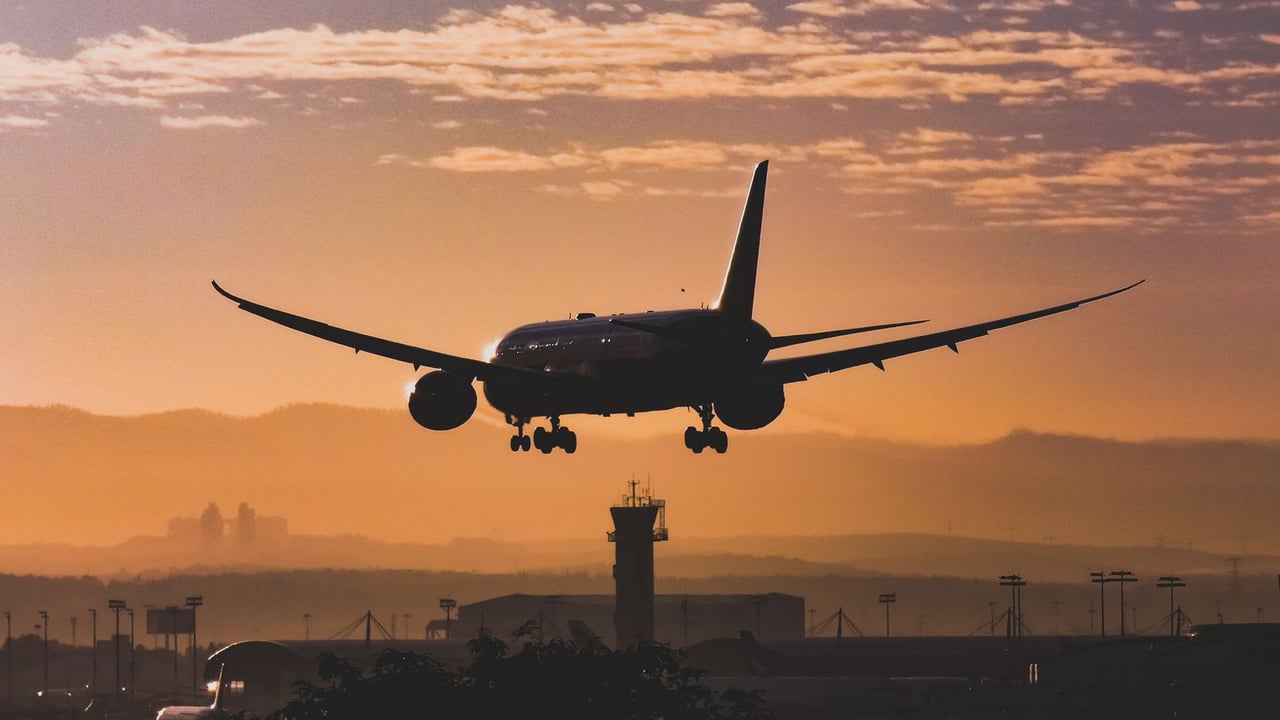
Silhouette of an airplane landing at sunset in Tel Aviv, with a beautiful golden sky.

Key Takeaways

  • 1President Isaac Herzog was traveling from Jerusalem to northern Israel when the bird strike occurred.
  • 2The Israeli Air Force helicopter landed safely at Palmachim Airbase with no reported injuries.
  • 3A secondary aircraft was deployed to ensure the President's schedule remained on track.
  • 4The IDF has initiated a technical investigation and maintenance review of the involved helicopter.
  • 5Israel's location on a major migratory path makes bird strikes a recurring operational risk for military and VIP aviation.

Editor's
Desk

Strategic Analysis

While the incident was ultimately a routine aviation hazard, it underscores the operational pressure on the Israeli Air Force to maintain flawless VIP transport during a time of regional instability. In the current geopolitical climate, any unscheduled landing of a head of state's aircraft could be a catalyst for misinformation or panic; the IDF’s rapid disclosure of the 'bird strike' cause served as a necessary move to maintain public calm. Beyond the immediate security narrative, the event highlights the ongoing environmental challenges in Israeli airspace, which is one of the world's most densely traveled avian migratory routes, necessitating constant coordination between ornithologists and military flight controllers.

China Daily Brief Editorial
Strategic Insight
China Daily Brief

Israeli President Isaac Herzog experienced a significant security scare on June 25 when his helicopter was forced into an emergency landing following a mid-air collision with a flock of birds. The incident occurred shortly after the Israeli Air Force (IAF) transport departed from Jerusalem’s Mount Herzl, where the President had been attending official duties, headed for the country's northern region.

According to a statement released by the Israel Defense Forces, the pilots executed a precautionary landing at the Palmachim Airbase in central Israel after the bird strike. Military officials confirmed that the President, his staff, and the flight crew were unharmed during the maneuver. The swift transition to an airbase highlights the rigorous safety protocols maintained for high-ranking government officials in Israel’s frequently contested airspace.

Following the landing, the President and his entourage were transferred to a secondary aircraft to continue their journey toward northern Israel. While the original helicopter was moved to maintenance hangars for a technical evaluation, the IDF has launched a formal investigation into the circumstances of the strike to ensure no underlying mechanical vulnerabilities were exposed by the impact.

Bird strikes represent a persistent and high-stakes challenge for aviation in the Levant, which serves as a primary corridor for millions of migratory birds. For the IAF, managing these natural hazards is a routine part of flight operations, yet any incident involving the head of state inevitably draws intense scrutiny regarding the redundancy and reliability of presidential transport during a period of heightened national security.

Share Article

Related Articles

📰
No related articles found