
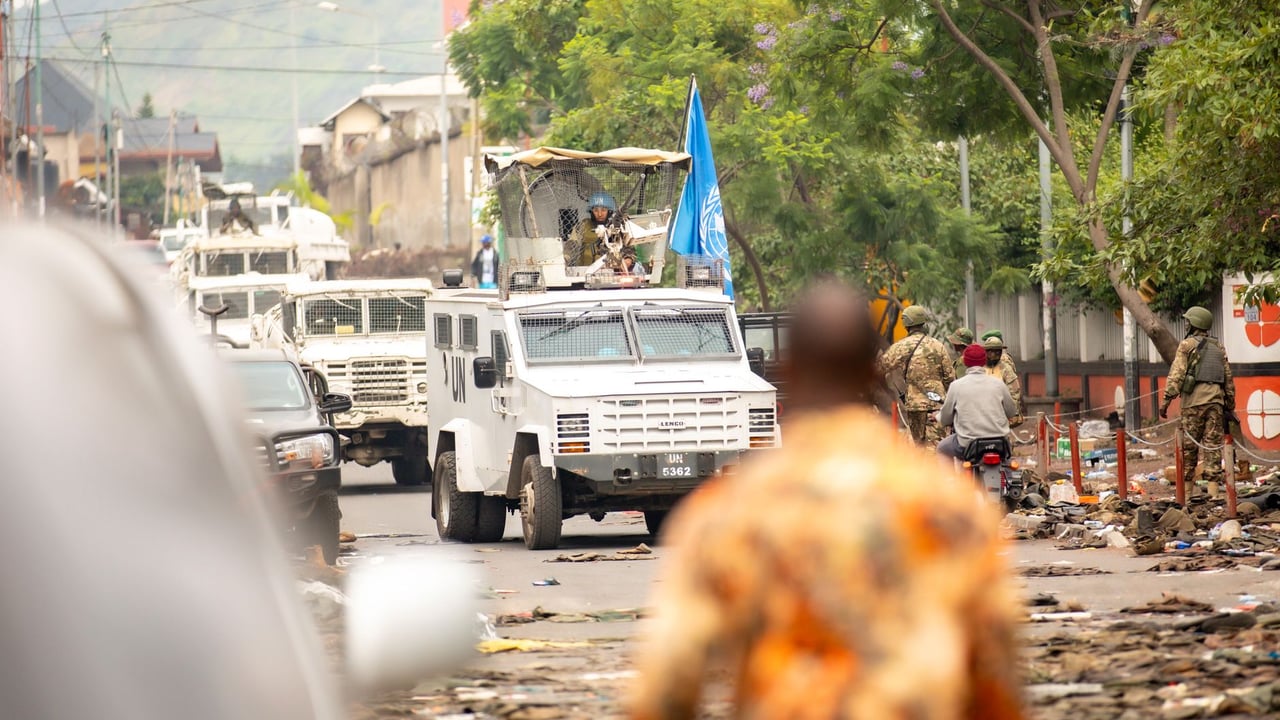

The People’s Liberation Army (PLA) has increasingly spotlighted its female combat units within United Nations peacekeeping missions, signaling a significant shift in how Beijing projects military professionalism to a global audience. These "Blue Helmet" squads represent more than just a breakthrough in gender parity within the traditionally male-dominated Chinese military; they are central to China’s efforts to recalibrate its international image while demonstrating operational versatility.
By deploying female personnel in frontline roles, China aligns itself with UN mandates that emphasize the inclusion of women in peace processes to improve mission effectiveness and community engagement. These soldiers are often tasked with high-stakes responsibilities, including patrolling, security details, and civilian protection, which provides them with invaluable field experience in volatile international zones from South Sudan to Lebanon.
This tactical evolution occurs as China seeks to cement its status as a leading contributor to UN peacekeeping operations, currently providing more personnel than any other permanent member of the Security Council. The visibility of these female combatants serves as a potent tool for both domestic recruitment and international branding, framing the PLA as a modern, progressive force capable of nuanced humanitarian interventions and complex security tasks.
Ultimately, the integration of female combat squads reflects a broader strategic pivot toward a model of global security where military force is increasingly married to diplomatic and social objectives. While the state media focus often rests on the aesthetic of these units, the underlying reality is a military that is rapidly professionalizing its ranks to meet the complex demands of 21st-century global governance and international responsibility.