

For decades, Chengde Lulu has been the undisputed king of the breakfast table in Northern China. Its flagship almond drink, a nostalgic staple for millions, has turned the company into a literal cash machine. With over 4 billion RMB ($550 million) in cash reserves and a dividend payout ratio exceeding 80%, the company functions more like a high-yield utility than a growth-oriented beverage firm. Yet, for global investors, the stagnant stock price reveals a deeper anxiety: a business that is too comfortable in its northern fortress.
The company’s problem is a classic case of regional and product concentration. Over 90% of its revenue is generated in the North, and nearly 95% comes from a single product line. This lack of diversification has left Chengde Lulu vulnerable to shifting consumer tastes and regional market saturation. While it dominates its home turf, the brand has historically struggled to gain a foothold in the more affluent and competitive markets of Southern China, where almond milk is often viewed as a niche or foreign taste.
The cautionary tale of Yangyuan Drinks, the maker of the once-ubiquitous 'Six Walnuts' beverage, looms large over Chengde Lulu’s boardroom. Yangyuan saw its revenue nearly halve from its 2015 peak after failing to evolve past its core walnut-milk product. Chengde Lulu’s leadership appears to have studied this decline closely, initiating a strategic pivot before its own growth completely flatlines. The company is now betting heavily on a 'Southern Strategy' to break through its historical ceiling.
Central to this expansion is a new 360 million RMB production base in Zhejiang province, designed to serve the Yangtze River Delta. By localizing production, the company aims to slash the logistics costs that previously made its products uncompetitive in the south. This isn't just a supply chain play; it is an attempt to rewrite the brand’s identity for a new demographic. The plant will produce not just the classic almond drink, but a suite of 'wellness waters' featuring traditional Chinese ingredients like goji berries and mulberry.
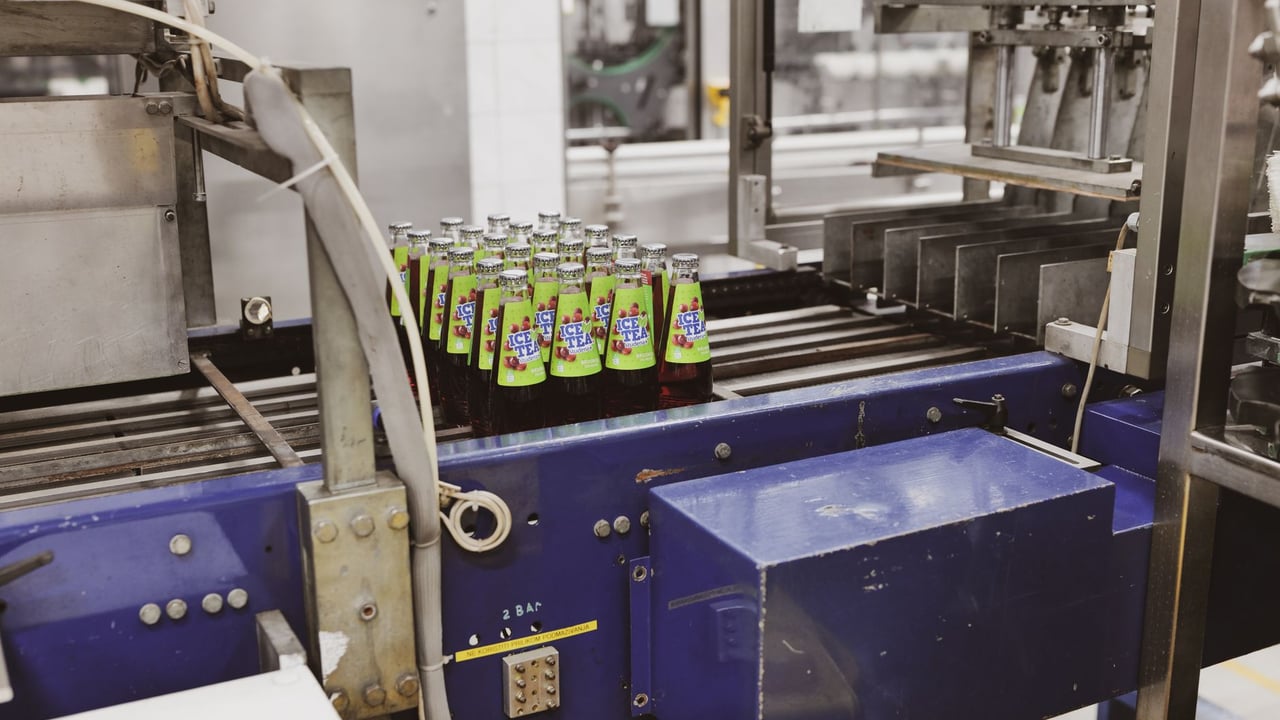
Product innovation is also targeting the lucrative 'dining out' sector. By introducing glass-bottled versions of its drinks, Chengde Lulu is specifically courting hotpot and Sichuan-style restaurants, where spicy food creates a natural demand for cooling, protein-based beverages. This tactical shift to glass packaging is designed to lower the 'acceptance threshold' for Southern consumers who did not grow up with the brand. Early results from 2026 suggest the gamble might be paying off, with the company reporting double-digit growth in both revenue and profit for the first quarter.
However, the pivot faces significant headwinds from 'New Consumption' brands like Genki Forest, which have already captured the health-conscious younger demographic. Furthermore, Chengde Lulu’s parent company, the Wanxiang Group, is known for a conservative fiscal approach that prioritizes dividends over aggressive reinvestment. Whether the company can maintain the marketing spend required to conquer the South while keeping its hungry shareholders satisfied remains the ultimate test for this 76-year-old veteran.