
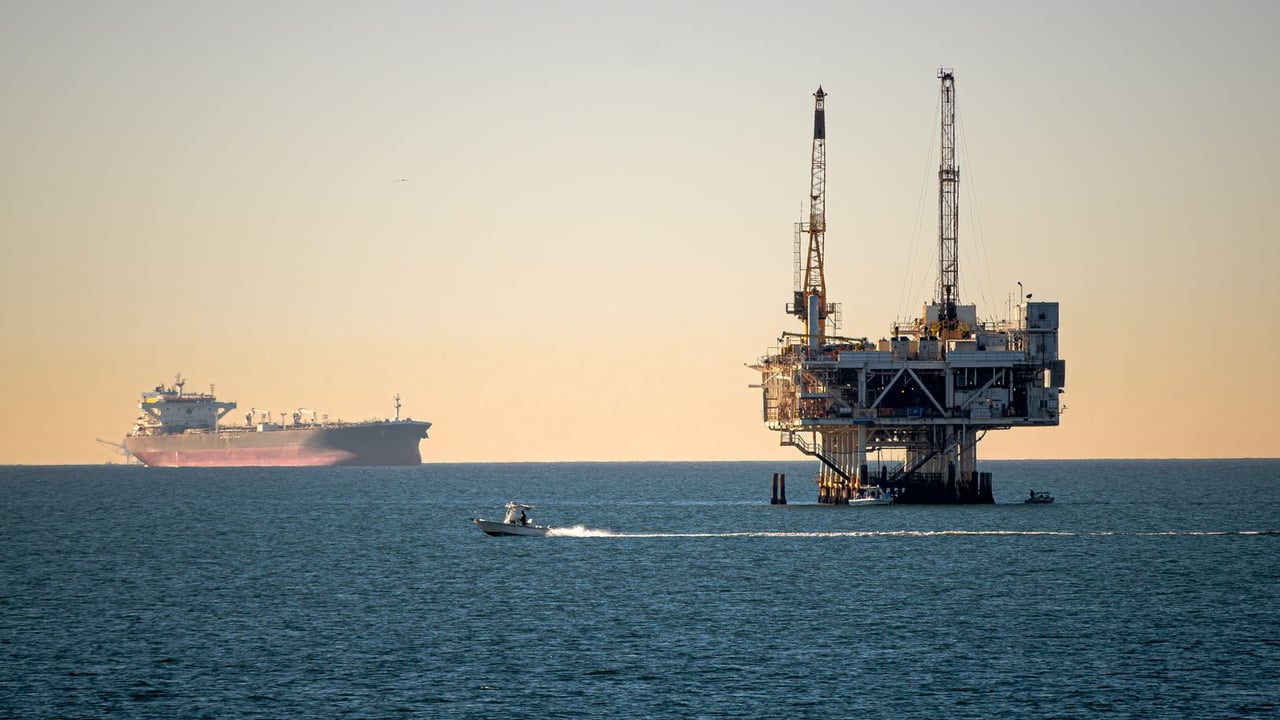

The global energy market has just witnessed a stunning reversal of fortune that has caught even seasoned analysts off guard. In a mere eleven days, the geopolitical risk premium that had propped up international oil prices for months vanished. Brent crude, which peaked near $118 a barrel during the height of the US-Iran friction, tumbled back to $72, effectively erasing the gains triggered by the recent hostilities.
This rapid correction followed a sixty-day diplomatic breakthrough to reopen the Strait of Hormuz. While initial market consensus predicted a grueling recovery period fraught with naval delays and mine-clearing operations, the reality moved at a breakneck pace. The market's pivot suggests that the direst scenarios of a prolonged global energy chokepoint were perhaps overstated or outpaced by the speed of diplomatic intervention.
However, the price drop is not merely a story of returning supply. It is equally a reflection of significant demand destruction. During the height of the blockade, major consumers in Asia and Europe—including China, Japan, and South Korea—drastically scaled back imports to cope with prohibitive costs. This forced rebalancing, combined with a tactical drawdown of global stockpiles, created a cushion that the market is now aggressively pricing in.
Yet, beneath the surface of this cooling market, structural risks remain acute. Shipping logistics do not reset overnight; the journey from loading in the Persian Gulf to discharging at global refineries involves a multi-month cycle that is only just beginning to restart. Furthermore, many tankers that could service the route are currently displaced, either anchored in the Gulf of Mexico or transiting long-haul routes to Asia, leaving a temporary void in Middle Eastern transport capacity.
Perhaps most concerning for the long term is the state of global inventories. Stocks at the critical Cushing, Oklahoma hub have dipped below nineteen million barrels, a level many consider the minimum required for operational stability. As buyers return to the market to replenish depleted reserves, this lack of a safety net could catalyze a sharp price snap-back, potentially pushing Brent back toward the $80 threshold by autumn.