
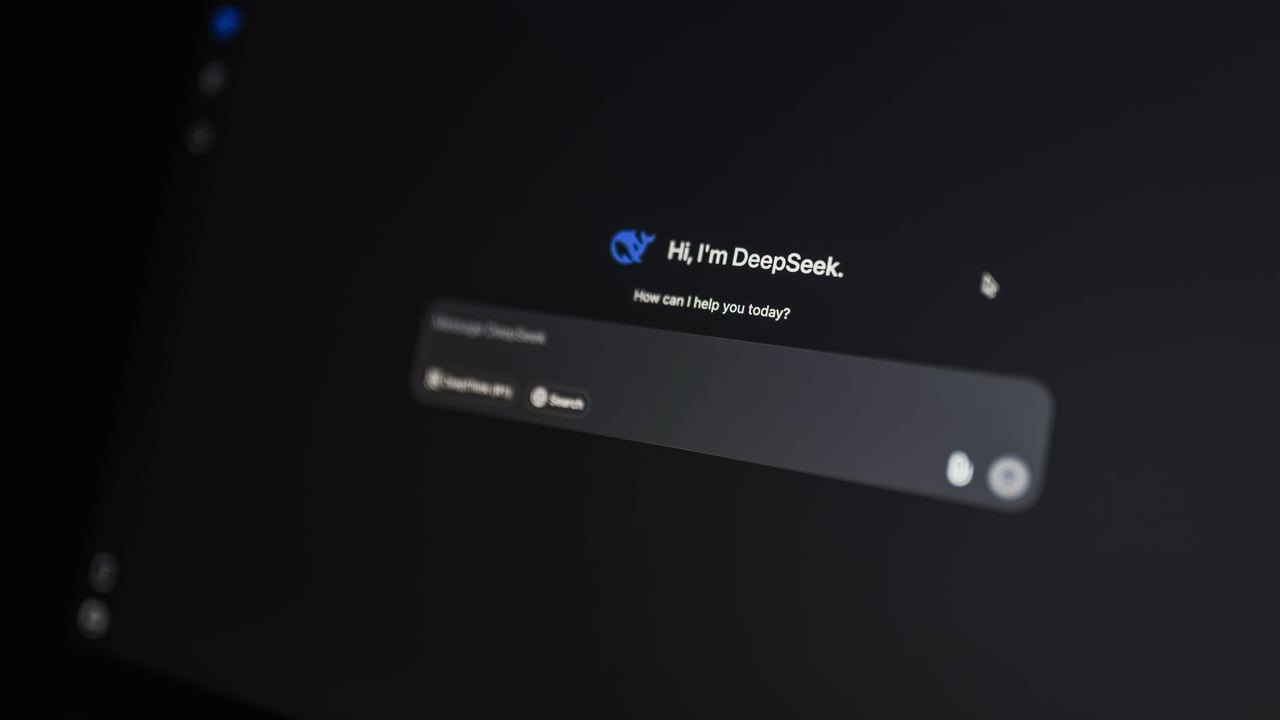

DeepSeek, the Chinese artificial intelligence lab that has sent shockwaves through the global tech industry with its efficient model architectures, is rewriting the venture capital playbook. Following a massive 50-billion-yuan ($6.9 billion) funding framework that values the company at nearly 400 billion yuan, the firm launched a recruitment drive that is as notable for what it includes as for what it omits. While typical unicorns use such war chests to build sales empires and capture market share, DeepSeek is hiring exclusively for technical, data, and infrastructure roles.
This hiring strategy signals a radical bet on technical determinism. The company’s founder, Liang Wenfeng, appears to believe that the ultimate victory in the race toward Artificial General Intelligence (AGI) will be won by the firm with the sturdiest foundation, not the loudest marketing. The job listings focus on full-stack self-reliance, seeking engineers for ultra-computing clusters, compilers, and distributed storage. By bringing every layer of the AI stack in-house, DeepSeek is attempting to insulate itself from external supply chain shocks and architectural bottlenecks.
The financing behind this expansion is equally unconventional. In a market where investors typically demand seats on the board and clear paths to monetization, DeepSeek has successfully dictated terms that keep Liang firmly in the driver’s seat. Major backers including Tencent, CATL, and IDG have reportedly accepted a five-year lock-in period and surrendered governance rights, effectively providing capital without the usual commercial interference. This allows the lab to focus on long-term research cycles rather than hitting quarterly revenue targets.
DeepSeek is also doubling down on a talent philosophy that diverges sharply from its American counterparts at OpenAI or Anthropic. While U.S. labs prioritize senior researchers with decades of pedigree, Chinese labs like DeepSeek are recruiting younger, high-potential engineers to be thrown directly into core projects. Data suggests the average experience requirement for Chinese AI roles is roughly three times lower than in the U.S., reflecting a preference for 'unmolded' talent that can adapt to a high-intensity, 'special forces' organizational culture.
However, this focus on the 'foundation' over the 'sales floor' carries significant historical risk. Technical history is littered with brilliant inventors like Xerox PARC and Bell Labs who pioneered revolutionary technologies only to see them commercialized by more market-savvy rivals. As competitors like Alibaba and ByteDance rapidly build out sales networks and user ecosystems, DeepSeek’s refusal to build a commercial arm today may create a window for others to harvest the value of its breakthroughs tomorrow.