China’s “Rocket Eggs” Lose Momentum as Seasonal Glut Cools Prices

China's egg prices have entered a seasonal decline, dropping 15% from their recent peaks due to storage challenges in the rainy season and increased supply. While large-scale producers continue to expand, smaller farmers face capital pressures, indicating a potential consolidation within the industry.

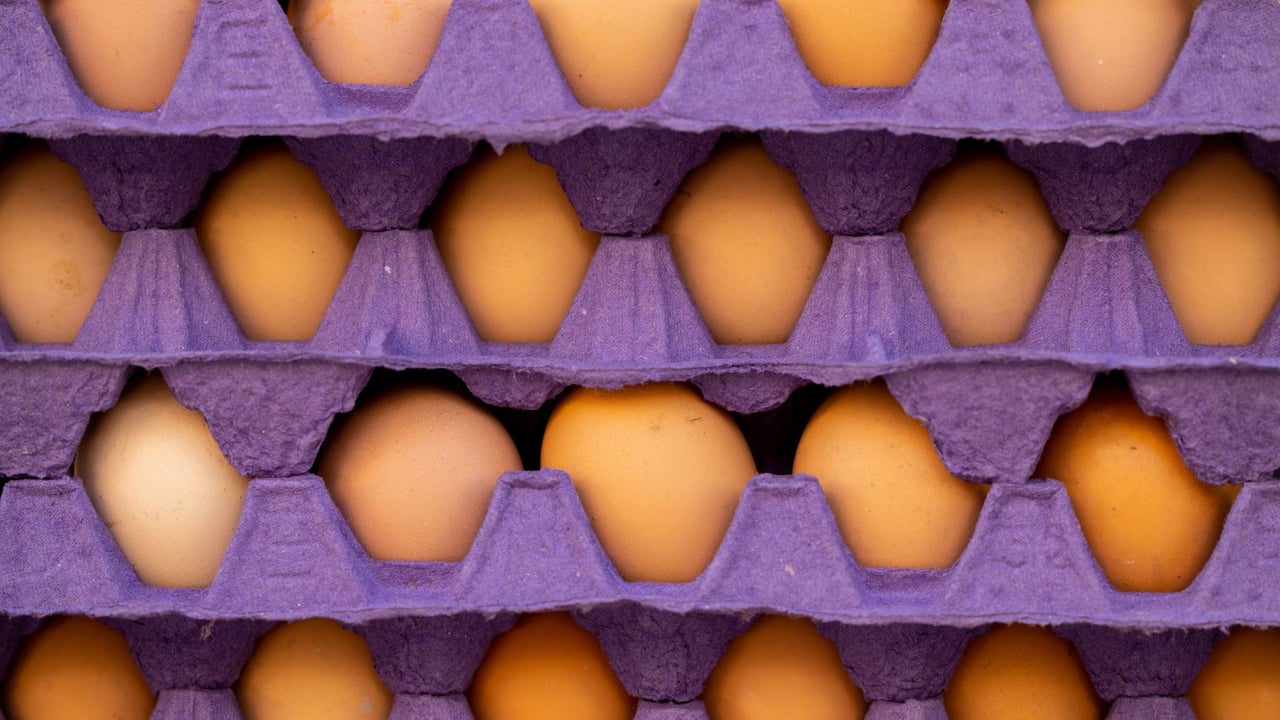
Vibrant brown eggs neatly stacked in purple egg trays for food packaging insight.

Key Takeaways

  • 1Wholesale egg prices have dropped below the 5-yuan threshold, a 15% decrease from recent highs.
  • 2The arrival of the humid plum rain season has increased storage risks, forcing traders to reduce inventories.
  • 3Egg-laying profit margins in Q2 reached a five-year high, currently performing at triple the year-on-year rate.
  • 4A clear divide has emerged between large industrial firms, who are restocking through September, and smallholders who lack the capital to expand.
  • 5Market analysts anticipate price support in late Q3 due to holiday demand and heat-related production slowdowns.

Editor's
Desk

Strategic Analysis

The current correction in China's egg market is more than a simple seasonal fluctuation; it highlights the accelerating industrialization of the country's agricultural sector. The fact that large-scale enterprises are aggressively restocking despite a 15% price drop—while smallholders remain on the sidelines—suggests a growing resilience among top-tier producers who can weather short-term volatility. This trend toward consolidation is likely to continue as environmental and storage challenges during the 'Meiyu' season favor those with sophisticated climate-controlled logistics. For the broader economy, the 'Rocket Egg' cooling provides a temporary reprieve for food inflation, but the underlying capital pressure on small farmers could lead to long-term supply concentration, potentially setting the stage for more dramatic price swings in the future.

China Daily Brief Editorial
Strategic Insight
China Daily Brief

After a period of relentless price hikes that earned the commodity the nickname “Rocket Eggs,” China’s poultry market is finally seeing a significant correction. Wholesale prices across several provinces have retreated from the 5-yuan-per-half-kilogram threshold, dropping by roughly 15% in late June. This cooling marks the onset of a traditional seasonal slump, exacerbated by unique climatic pressures and a shift in supply-side dynamics.

The primary driver for this downturn is the arrival of the “Meiyu” or plum rain season in southern China. The high humidity and rising temperatures during this period make the storage of fresh eggs notoriously difficult, forcing traders to adopt low-inventory strategies to minimize spoilage. Simultaneously, a surge in supply has hit the market as hens hatched in early spring reach their peak laying age, effectively closing the supply gap that fueled the earlier price rally.

Despite the current price retreat, the profitability of the poultry sector remains historically high. In the second quarter, egg-laying profit margins were triple those of the same period last year, marking a five-year high. This lucrative environment has created a distinct bifurcation in the industry: while large-scale industrial producers are aggressively restocking and planning expansions through September, smaller independent farmers remain paralyzed by capital constraints and high vacancy rates.

Looking ahead, the market is bracing for further volatility. While prices are expected to continue their downward trajectory through July, the extreme heat of mid-summer traditionally suppresses the laying rate of hens, which could tighten supply again. Analysts suggest that the upcoming demand surge for the Mid-Autumn Festival and National Day holidays in September will provide a strong floor for prices, preventing a total collapse of the market in the third quarter.

Share Article

Related Articles

📰
No related articles found