
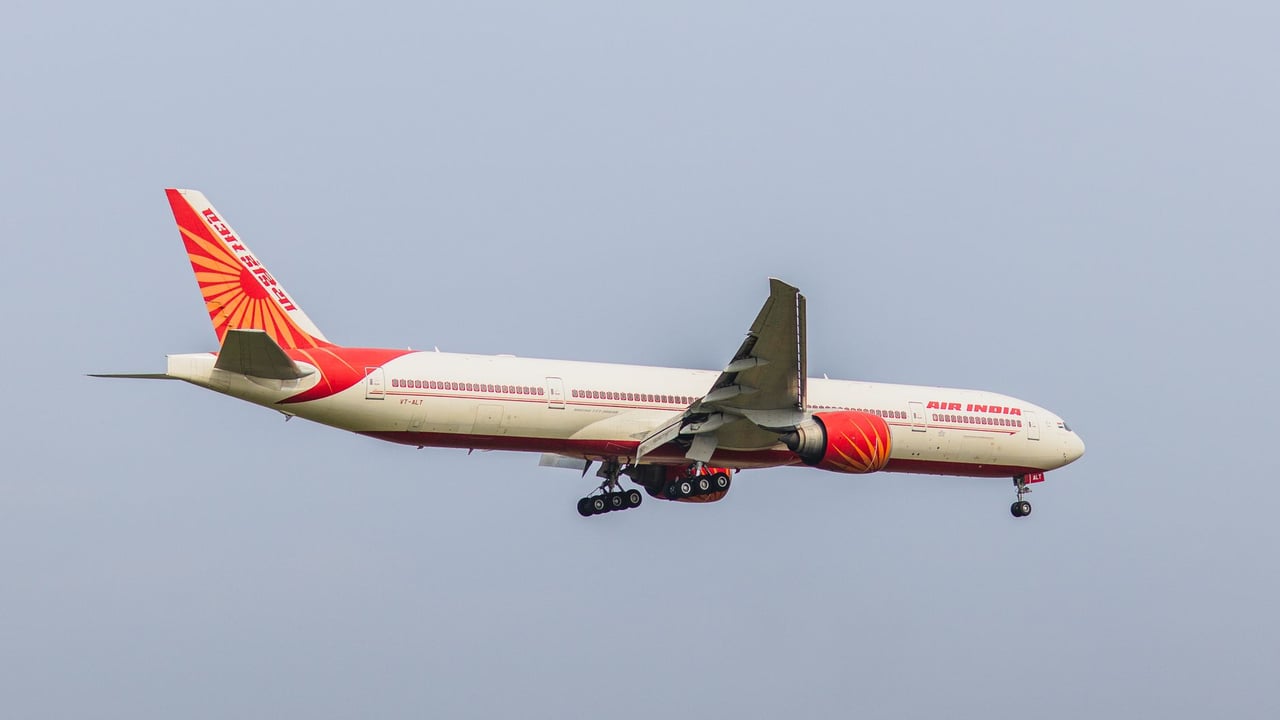

In the high-stakes theater of South Asian geopolitics, even a minor navigational deviation can trigger a cascade of diplomatic and disciplinary repercussions. On June 22, an Air India Airbus A321, en route from Delhi to the border city of Amritsar, briefly strayed into Pakistani airspace. While the incursion lasted only minutes and covered roughly three miles, the swift suspension of the flight crew by India’s Directorate General of Civil Aviation (DGCA) underscores the zero-tolerance policy governing the world's most sensitive border.
The incident began not with a provocation, but with a bird. As the aircraft approached Amritsar, a bird strike on the runway forced a temporary closure for inspection, leaving the flight in a holding pattern. Under radar guidance during its approach, the aircraft crossed the international boundary at 10:08 PM. Coordination between Indian and Pakistani air traffic controllers eventually allowed the flight to divert safely back to Delhi, but the internal fallout in India was immediate.
The DGCA’s decision to suspend the pilots and discipline Amritsar air traffic control personnel is rooted as much in procedure as in politics. The regulatory body cited a critical failure to report the border breach as a primary reason for the disciplinary measures. In a region where a similar navigational error could be misinterpreted as a reconnaissance mission or a prelude to an airstrike, the failure to follow reporting protocols is viewed by New Delhi as a grave safety and security lapse.
Airspace between the two nuclear-armed neighbors has been a volatile commodity since the 2019 Balakot airstrikes. While Pakistan eventually reopened its airspace to most international traffic, it remains largely restricted for Indian carriers. This forced segregation of the skies adds hours to flight times for Indian routes to Europe and the Middle East, while turning any accidental crossing into a potential international incident that requires high-level military and civilian de-escalation.
This episode serves as a stark reminder that in the absence of normalized diplomatic relations, technical glitches and environmental hazards like bird strikes are viewed through a prism of national security. The disciplinary action against the crew suggests that for the Indian government, the priority is maintaining a watertight operational record to avoid giving Islamabad any leverage or cause for alarm. For the aviation industry, it highlights the extreme pressure of flying in one of the world's most unforgiving corridors.