
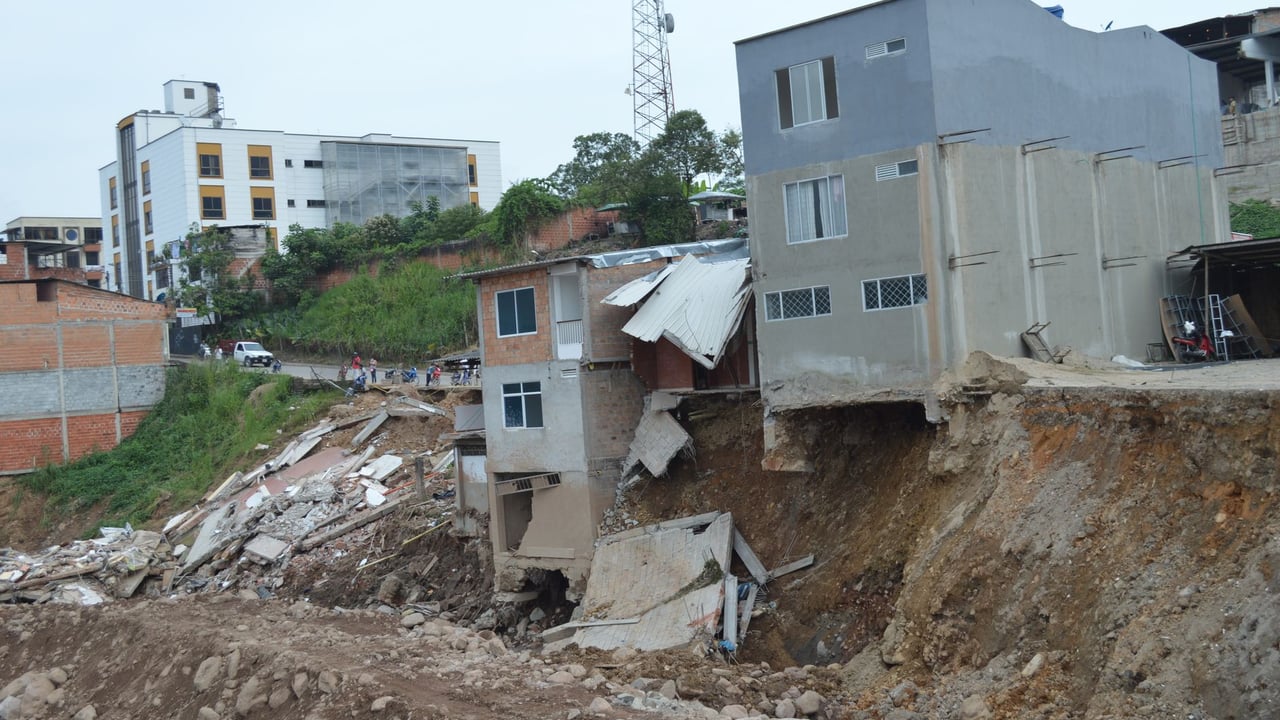

Venezuela’s Acting President, Rodriguez, has formally declared a state of military control over the coastal state of La Guaira, the epicenter of a humanitarian crisis following two massive 7.0-magnitude earthquakes. The decision highlights the sheer scale of the devastation on the country's northern coast, where the death toll has now climbed to 589, with nearly 3,000 others reported injured. By mobilizing all branches of the armed forces, the government aims to secure fragile supply lines and prevent a complete breakdown of social order in one of the nation's most vital economic corridors.
The deployment is being framed primarily as a logistical necessity to facilitate the distribution of basic necessities. Rodriguez emphasized that the primary mission of the military presence is to clear debris from arterial roads, ensuring that international aid and domestic relief supplies can actually reach the isolated populations. In the coastal district of Catia La Mar, the military has partnered with the Ministry of Health to establish field hospitals, an essential move as local medical infrastructure has been largely decimated by the seismic shocks.
While the government insists the military presence is for public safety and logistical efficiency, the move also reflects the precarious nature of Venezuelan governance during a national emergency. With over 5,000 medical professionals mobilized across the country, the administration is attempting to demonstrate a state capacity that has been under intense international scrutiny for years. The dual earthquakes on June 24 have not only shattered buildings but have also tested the structural integrity of the Venezuelan state’s emergency response systems.
International aid has begun to arrive, yet the implementation of military rule suggests that the government is wary of the security risks inherent in such a large-scale catastrophe. La Guaira serves as the gateway to the capital, Caracas, and control over its ports and roads is a strategic priority for any administration. As rescue teams continue to pull survivors from the rubble, the focus remains on whether the military’s involvement will speed up recovery or if it will complicate the efforts of international NGOs trying to operate on the ground.