
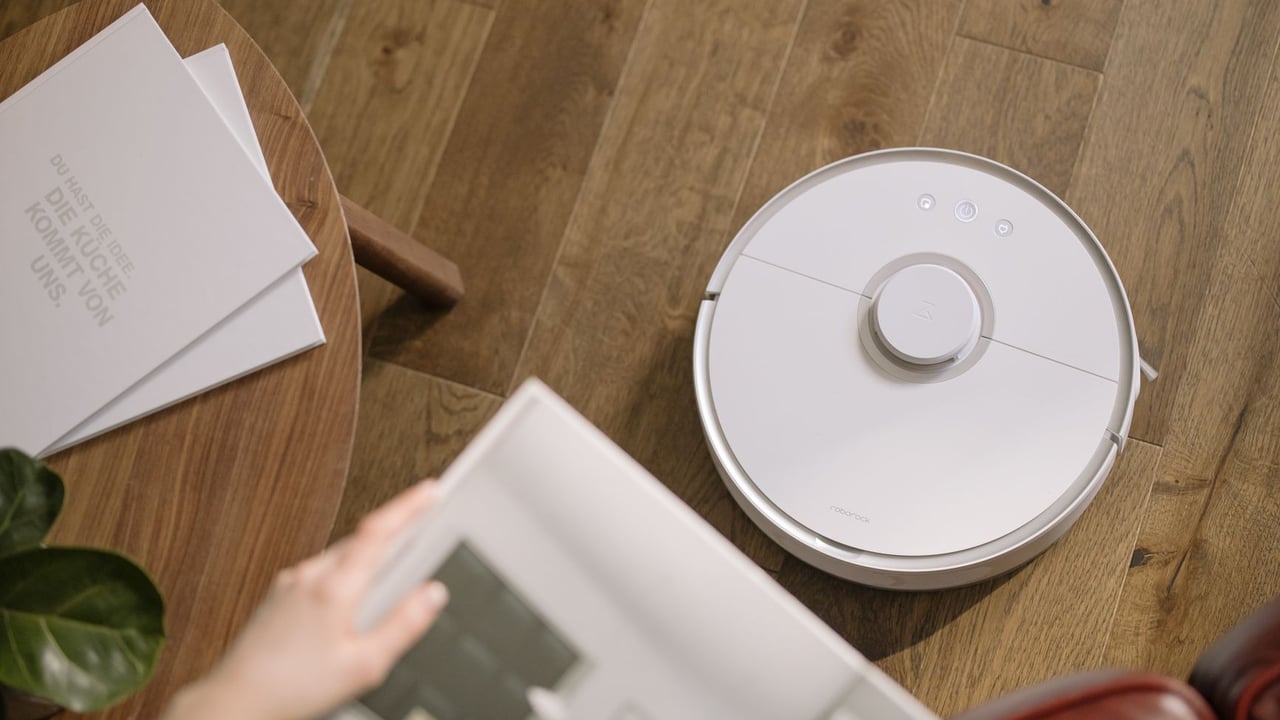

Dreame Technology, a prominent player in China’s high-growth smart home sector, has announced a significant strategic realignment to refocus on its core business. After a period of aggressive horizontal expansion into various consumer electronics categories, the company is returning its primary focus to the robotic vacuum cleaner market, the sector where it first established its reputation. This move reflects a broader cooling of the 'expansion at all costs' mindset that has dominated Chinese hardware startups for the past decade.
The strategic retreat comes at a pivotal moment for the robotic vacuum industry, which is grappling with questions about its growth ceiling. While these devices have become staples in urban Chinese households, the pace of technological breakthrough has slowed, with features like high suction power and self-cleaning stations becoming standard across the board. Dreame’s refocus suggests that the company believes winning in the next phase of the market will require deep technical refinement rather than simply launching more product lines.
Adding to the pressure is the entry of new, formidable competitors into the autonomous cleaning space. Industry giant DJI has recently made waves with its own AI-integrated robotic vacuums, leveraging its world-class computer vision and mapping technology to challenge incumbents. This influx of high-tech competition is forcing specialists like Dreame to double down on their 'home turf' to defend their market share and maintain their premium branding.
Dreame’s internal adjustment is likely a response to a shifting capital environment where investors now prioritize profitability and operational efficiency over raw user growth. By streamlining its portfolio, Dreame aims to optimize its supply chain and research and development resources. The success of this pivot will depend on whether the company can find a 'second growth curve' within the vacuum category, potentially through more advanced AI integration or expanding further into underserved international markets.