
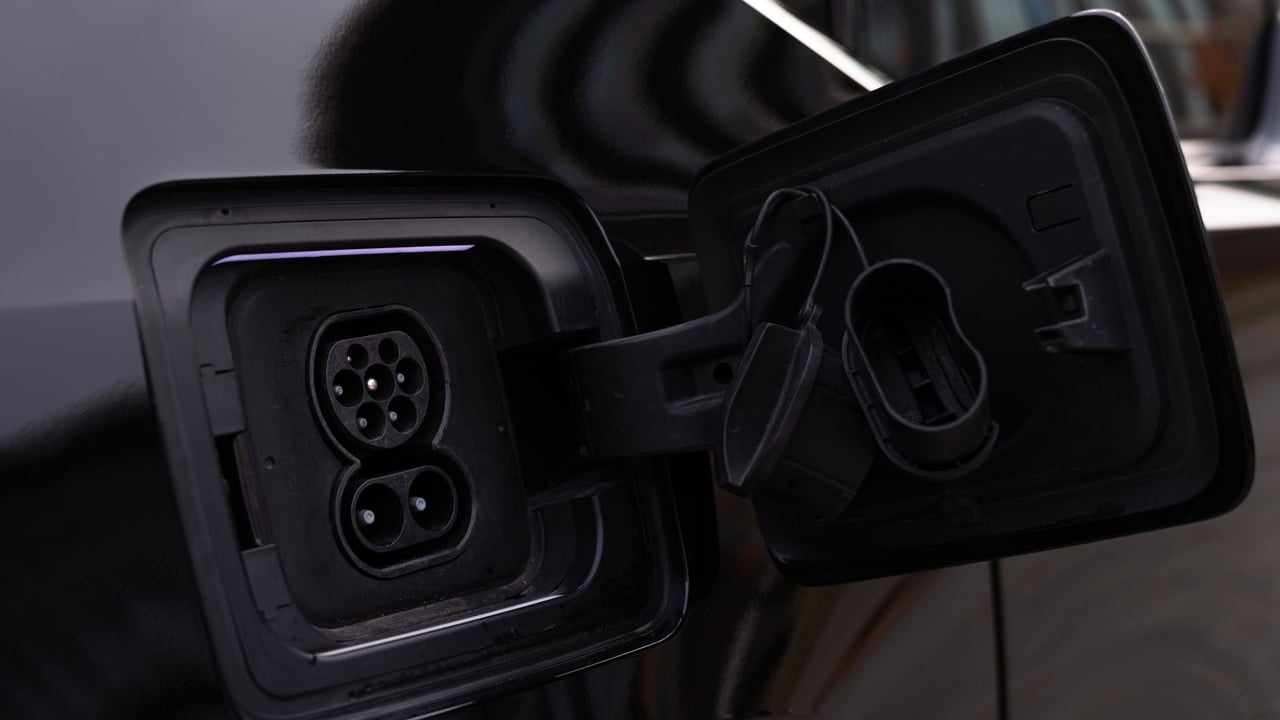

During the 2026 NIO Partner Day, William Li, the founder and CEO of NIO, issued a bold manifesto for the future of the Chinese automotive industry. Li predicted that by 2030, New Energy Vehicles (NEVs) will achieve a staggering 90% penetration rate in the world’s largest car market. Perhaps more provocatively, he asserted that within that dominant NEV segment, Battery Electric Vehicles (BEVs) will capture 90% of the market share, effectively relegating hybrids and range-extenders to the margins.
This forecast comes at a time when the transition is already moving at breakneck speed. Data from May 2026 indicates that NEV penetration in China has already reached 62.9%, a figure that would have seemed fantastical a decade ago. While pure electric vehicles currently account for roughly 67.1% of those sales, Li’s vision suggests a significant consolidation toward BEVs as charging infrastructure matures and battery technology reaches new parity with traditional fuels.
The strategic timing of Li's announcement coincides with a milestone for his firm. NIO recently celebrated the delivery of over 10,000 ES9 units within just 30 days of its launch, a feat Li described as "creating history." This success serves as a practical rebuttal to critics who argued that pure electric luxury SUVs would struggle against the flexibility offered by range-extended competitors like Li Auto.
Li’s outlook serves as a clarion call for the entire supply chain to prepare for a near-total abandonment of the internal combustion engine. By setting the 2030 horizon for a 90-90 split—90% NEV penetration and 90% BEV dominance—NIO is signaling that the era of "transitional" technologies is closing faster than anticipated. For global legacy automakers, the message is clear: the window to pivot is not just closing; it is nearly shut.