A Fault Line in the Gulf: Pentagon Reassesses Footprint After Devastating Iranian Strikes

Recent Iranian attacks have caused severe, undisclosed damage to U.S. naval bases in Bahrain, leading the Pentagon to plan a strategic withdrawal of forces to more distant locations. The relocation, which may include shifting assets to Israel, signals a major recalibration of the U.S. military presence in the Middle East due to the threat of Iranian missile and drone technology.

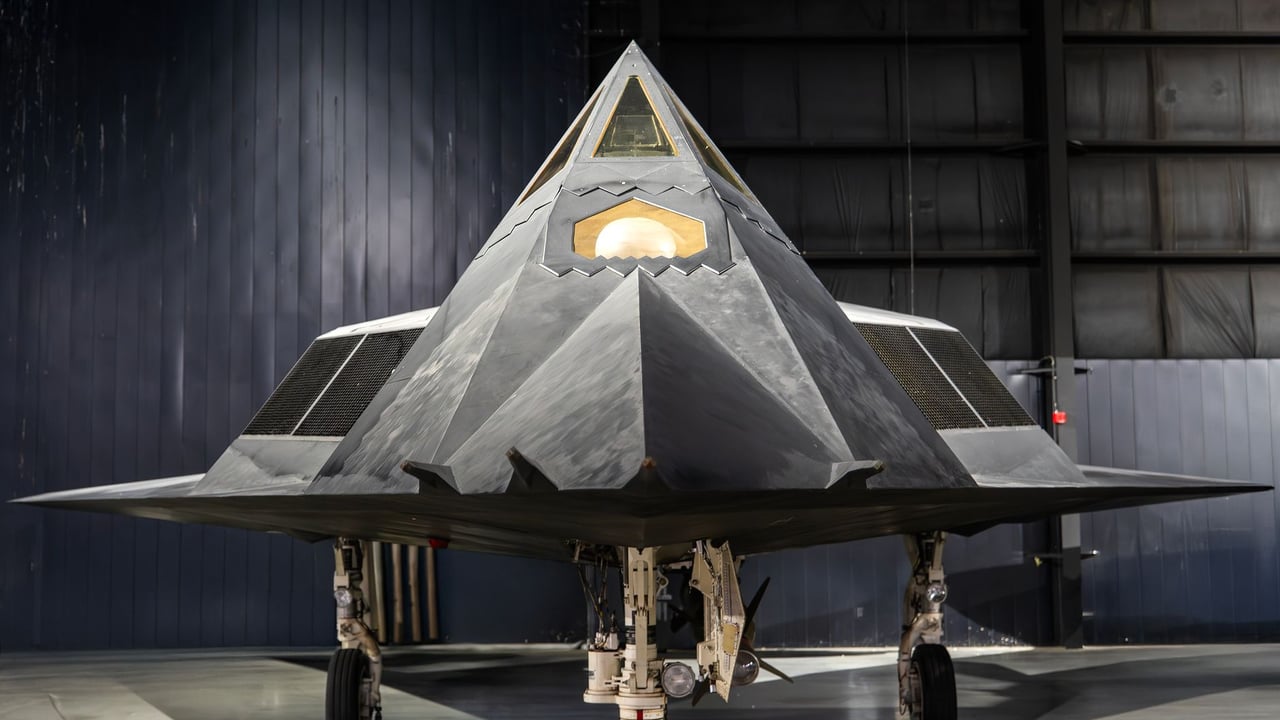
Front view of the iconic F-117 Nighthawk Stealth Fighter at a Dayton museum.

Key Takeaways

  • 1Satellite imagery reveals the U.S. Fifth Fleet base in Bahrain suffered far greater damage than publicly admitted, including the destruction of 12 buildings.
  • 2The Pentagon is planning to move command centers underground to protect against future precision strikes.
  • 3The U.S. military is considering a significant reduction of its presence in Kuwait and Saudi Arabia to move troops out of Iran's missile range.
  • 4Strategic discussions include the controversial relocation of some military assets to Israel as a safer alternative.
  • 5Approximately 20 U.S. facilities across the region were impacted, prompting a wholesale review of the Trump administration's Middle East posture.

Editor's
Desk

Strategic Analysis

This forced relocation highlights a 'prestige gap' between U.S. military rhetoric and the ground reality of modern missile warfare. For decades, the U.S. relied on massive, static bases as symbols of deterrence, but Iran's precision-strike capabilities have effectively turned these symbols into 'stationary targets.' Moving assets to Israel or underground suggests that the U.S. is prioritizing force protection over regional engagement. While this may save lives and equipment in the short term, it potentially signals to Gulf allies that the U.S. is no longer willing or able to hold the line at their borders, which could lead to a rapid realignment of Middle Eastern security partnerships toward more localized or alternative international blocs.

China Daily Brief Editorial
Strategic Insight
China Daily Brief

The illusion of invulnerability surrounding American military installations in the Middle East has been shattered following a series of high-intensity Iranian strikes. Satellite imagery and internal reports suggest that the damage to the U.S. Navy's Fifth Fleet base in Bahrain is far more extensive than the Pentagon initially acknowledged. With at least a dozen structures destroyed and the primary command center compromised, Washington is now forced to confront a new reality of asymmetric vulnerability.

This strategic shock has prompted the administration to initiate a massive overhaul of its regional posture. Plans are currently underway to relocate critical command assets underground and redistribute personnel across a wider, less predictable geographical footprint. The goal is to move beyond the immediate reach of Iran’s increasingly sophisticated arsenal of ballistic missiles and long-range suicide drones, which have demonstrated an ability to penetrate existing defense umbrellas.

The proposed pivot marks a significant departure from decades of concentrated presence in the Persian Gulf. Defense officials are reportedly weighing the relocation of several units from Kuwait and Saudi Arabia to more distant facilities, with some assets potentially moving to Israel. Such a shift would not only be a logistical feat but a seismic geopolitical statement, signaling a reduced reliance on traditional Gulf hubs that were once considered the bedrock of American power projection.

However, the move to harden facilities and disperse forces also raises questions about the long-term viability of the U.S. security guarantee in the region. By pulling back from the 'front lines,' the U.S. risks creating a power vacuum that regional adversaries or rivals like China and Russia may seek to exploit. The transition reflects a broader shift toward 'over-the-horizon' capabilities, though the effectiveness of this strategy remains unproven in the face of persistent regional threats.

Share Article

Related Articles

📰
No related articles found