
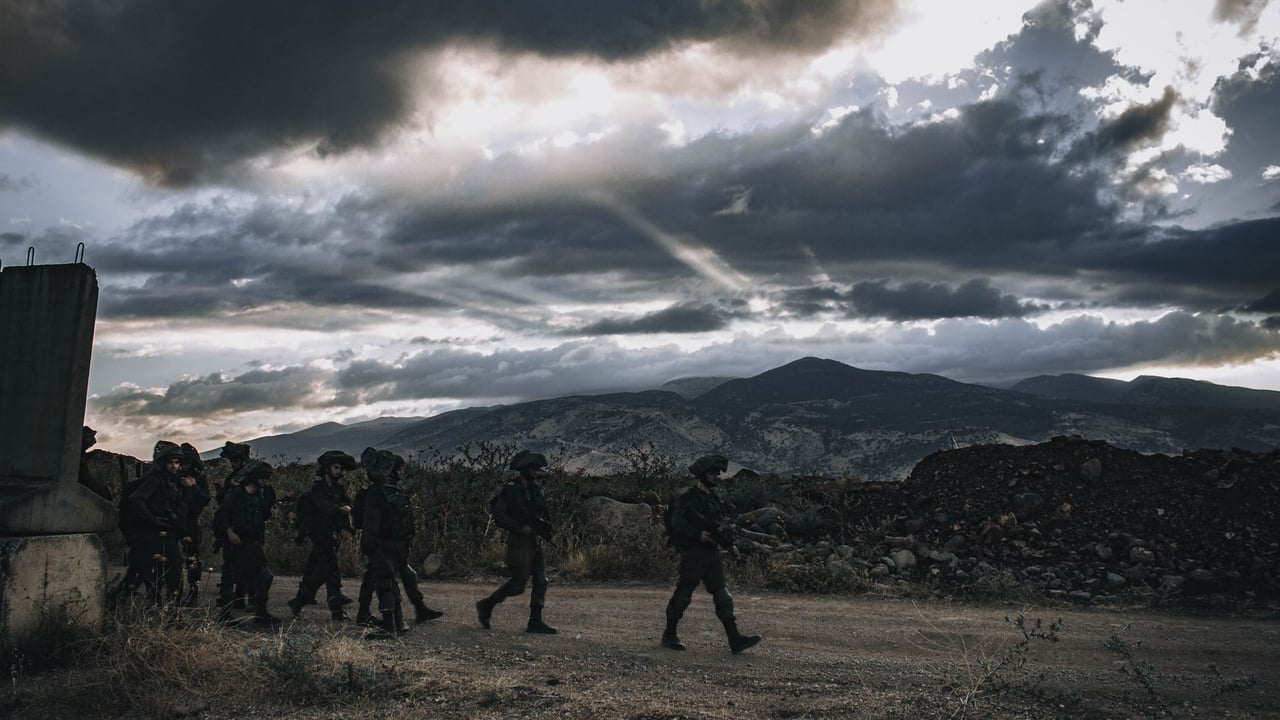

Israel’s Defense Minister Israel Katz has effectively quashed international expectations for a swift de-escalation along the country's northern border. In a statement that underscores a significant hardening of Jerusalem's regional security doctrine, Katz declared on June 25 that the Israel Defense Forces (IDF) will maintain their presence in southern Lebanon, southern Syria, and the Gaza Strip with "no time limit."
This assertion comes amid a cloud of diplomatic confusion and conflicting reports regarding the IDF's movements. While U.S. officials recently signaled to the media that a partial withdrawal from southern Lebanon was underway to allow the Lebanese Armed Forces to assume control, the Israeli defense establishment has flatly denied these claims. Military and security officials maintain that no withdrawal orders have been issued, highlighting a palpable disconnect between Washington’s diplomatic narrative and Israel’s operational reality.
The strategic focus has shifted toward the institutionalization of "security buffer zones" across three distinct fronts. By occupying these strips of land indefinitely, Israel aims to create a physical barrier against militant incursions and short-range projectile fire. However, the move suggests a return to the long-term territorial occupation strategies of decades past, a prospect that deeply concerns regional neighbors and international mediators.
Furthermore, the rhetoric from Jerusalem has become increasingly intertwined with a direct deterrent posture toward Tehran. Katz explicitly warned that any Iranian retaliation—whether triggered by Israeli operations in Lebanon or other factors—would be met with the full force of the IDF. This framing elevates the local border conflict into a high-stakes geopolitical standoff, signaling that Israel views its presence in Lebanon as a vital piece of a broader anti-Iran containment strategy.
Domestically, the Israeli government appears to be using the physical occupation of these territories as leverage in ongoing negotiations. While the Times of Israel reports that a withdrawal from southern Lebanon remains a subject of direct talks between the two nations, no agreement has been reached. Until a robust security framework is established that satisfies Israeli demands, the IDF's footprint in the Levant looks set to become a permanent fixture of the regional map.