
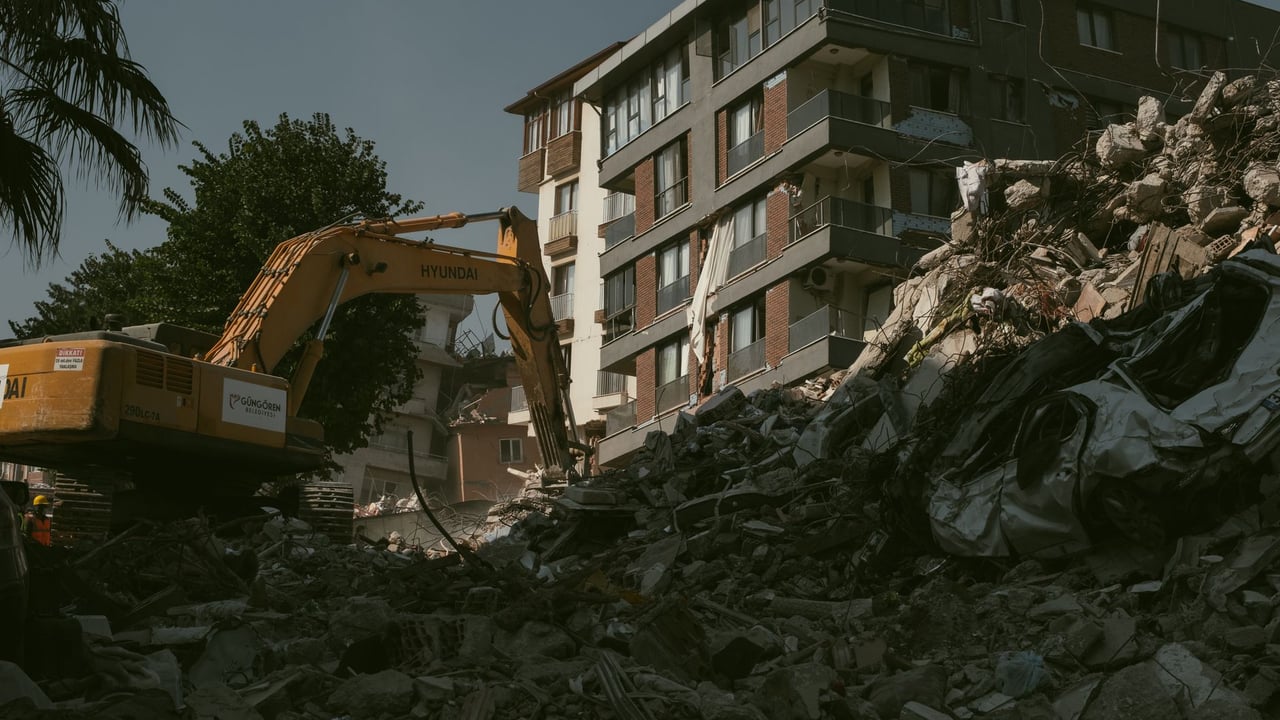

In the wake of a devastating pair of magnitude 7.0 earthquakes that struck Venezuela on June 24, the government has moved to place the hard-hit coastal state of La Guaira under strict military control. Acting President Rodriguez announced the measure on June 26, signaling an escalation in the state's response as the official death toll climbed to 589, with nearly 3,000 others injured. The move highlights the sheer scale of the logistical nightmare facing the administration in one of the country's most critical transit hubs.
La Guaira, home to the nation’s primary port and serving as the maritime gateway to Caracas, has become the epicenter of a desperate recovery mission. Military units have been deployed across the state to secure supply lines and facilitate the movement of essential food, water, and heavy machinery required for road clearance. By bypassing traditional civilian administrative hurdles, the government aims to accelerate the deployment of aid into shattered communities where time is rapidly running out for those trapped beneath the rubble.
On the medical front, Health Minister Carlos Alvarado has overseen the emergency mobilization of over 5,000 healthcare professionals to stabilize the surge in casualties. In the Katia la Mar district, the military has partnered with medical teams to establish field hospitals, an essential measure given that local infrastructure has been largely incapacitated by the seismic activity. These temporary facilities are now the primary line of defense against a growing secondary crisis of infection and untreated trauma.
The international community has begun to respond, with aid shipments arriving as the government struggles to maintain order amidst the chaos. The decision to implement military rule, however, carries significant political weight, suggesting that the administration views the disaster not only as a humanitarian tragedy but also as a potential threat to national security. As rescue workers continue to navigate the debris-strewn streets of La Guaira, the focus remains on whether this militarized approach can deliver relief efficiently or if it will complicate the distribution of international support.