
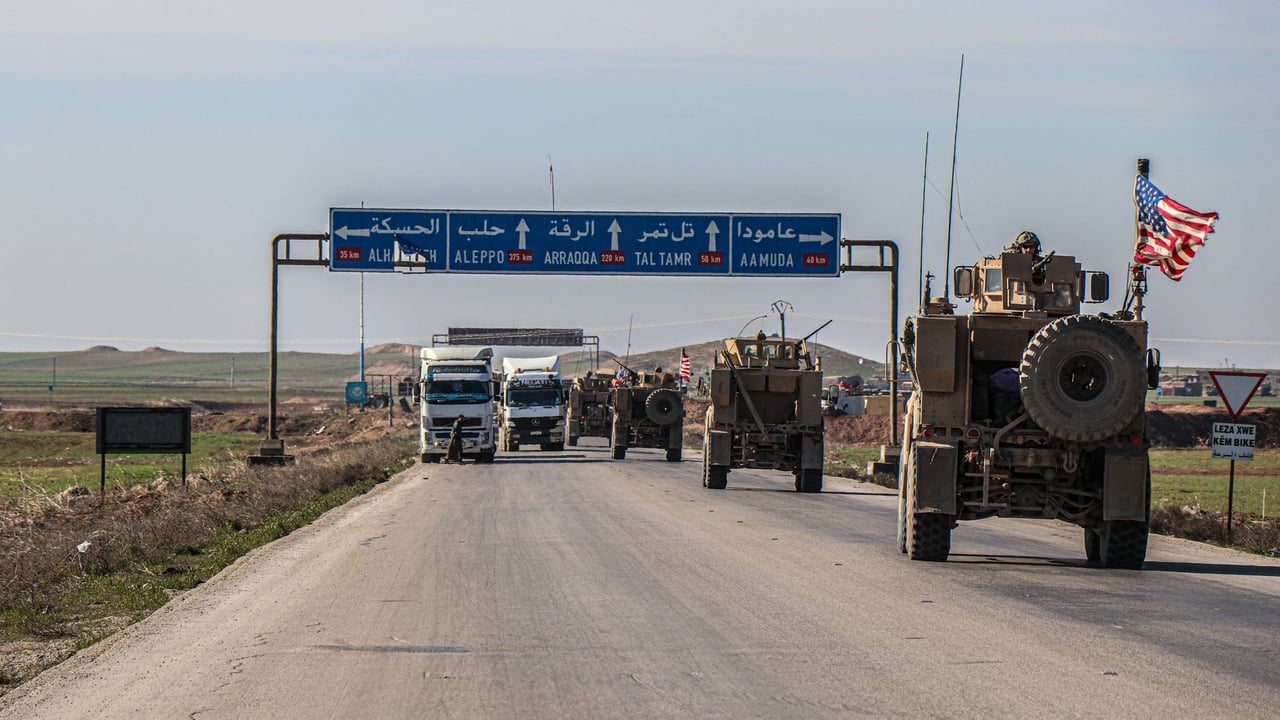

The delicate balance of power in the Middle East faced a severe stress test this week as United States forces launched targeted strikes against Iranian military infrastructure. This escalation, confirmed by U.S. Central Command, marks a significant departure from a recently signed memorandum of understanding that many hoped would stabilize the region. The strikes targeted a communications tower in the Sirik region of southern Iran, responding to what Washington described as repeated Iranian drone attacks on commercial vessels in the Strait of Hormuz.
President Donald Trump characterized the Iranian actions as a "stupid violation" of existing ceasefire agreements, signaling a return to a more aggressive posture. According to the administration, at least four one-way attack drones were launched by Iran, with one significantly damaging the upper deck of a large commercial freighter. While the vessel remained seaworthy, the U.S. military emphasized that its presence in the region will remain vigilant to enforce compliance with all standing agreements.
Tehran’s response was immediate and defiant. The Islamic Revolutionary Guard Corps (IRGC) dismissed recent claims of a diplomatic hotline between the two nations as "fabrication" and warned of a swift and decisive retaliation. This exchange of hostilities comes at a paradoxical moment, as separate reports suggest a framework for de-escalation between Israel and Lebanon has been reached, highlighting the fragmented nature of Middle Eastern stability.
Financial markets reacted sharply to the geopolitical friction, with the Philadelphia Semiconductor Index suffering a staggering 5.29% decline. The sell-off was particularly brutal for hardware and memory manufacturers, with some firms seeing their largest single-day drops since 2020. However, the broader market showed a notable divergence, as software-heavy tech giants and certain Chinese equities managed to post modest gains despite the overarching volatility.
Adding to the global uncertainty, the White House has concurrently reignited trade tensions with European allies over proposed digital services taxes. President Trump has threatened to impose 100% tariffs on all goods from any nation that moves forward with such levies. This protectionist rhetoric, combined with the renewed kinetic conflict in the Persian Gulf, suggests a period of heightened risk for international trade and supply chain security.