

Europe is currently grappling with a humanitarian and logistical crisis as record-breaking heatwaves sweep across the continent. Temperatures in western France have peaked at a historic 43°C, while the United Kingdom and Spain have seen their own June records shattered. The human cost is mounting rapidly, with hundreds of heat-related fatalities reported across the region, evoking grim memories of the catastrophic 2003 heatwave that claimed thousands of lives.
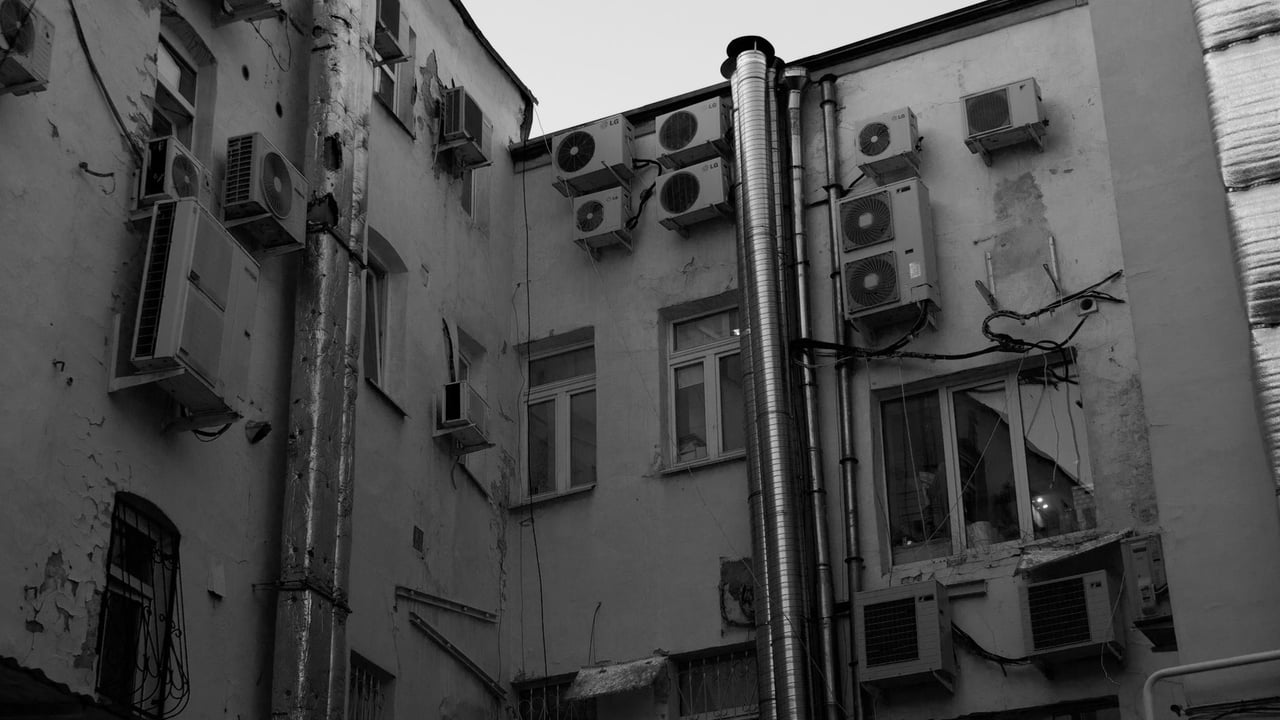
Despite the rising mercury, the continent remains fundamentally unequipped for extreme heat. International Energy Agency data reveals that air conditioning penetration in Europe stands at a mere 20%, a stark contrast to markets in the United States or China. This disparity is rooted in Europe's architectural heritage; many cities are dominated by centuries-old buildings where the installation of central cooling is often prohibited by preservation laws or made prohibitively expensive by structural limitations.
In the absence of permanent infrastructure, European consumers are turning to a temporary savior: the Chinese manufacturing machine. Demand for portable air conditioning units and cooling fans from Chinese giants like Midea has reached a fever pitch, with some consumers reportedly traveling hundreds of kilometers across borders to secure the last available units. On secondary markets, the scarcity has become so acute that used Chinese-branded units are occasionally fetching higher prices than their original retail value.
Beyond personal discomfort, the heat is exposing critical vulnerabilities in Europe's energy grid. In Switzerland and France, nuclear reactors—the backbone of the regional power supply—have been forced to reduce output or shut down entirely. This is because the river water used to cool these reactors has reached temperatures too high to be safely discharged back into the environment without devastating local ecosystems. This creates a paradox where cooling demand peaks just as the energy supply becomes most precarious.
For the younger generation, the lack of cooling infrastructure has transformed daily life into a struggle for survival. International students in London and Paris describe living in apartments that feel like "ovens," often forced to sleep outdoors or resort to placing fans next to open refrigerators. The crisis has also taken a tragic turn with several reports of heatstroke-related deaths among children, underscoring the lethal nature of a climate for which European urban planning was never designed.